When we left Sarajevo, the forecast was for rain, and on the bus ride, the rain was at times torrential. We passed through towns and villages with the same markings as many other places in Bosnia, large cemeteries and bullet riddled buildings. It was a relatively short bus ride with only one minor mechanical hiccup, aand two hours later we were in Mostar.
Mostar was originally going to be a day trip from Sarajevo, but we realized that we would be eventually making our way to Montenegro and Albania and Mostar was in that direction so we decided to stay there for a night breaking up what would have been a very long bus ride.
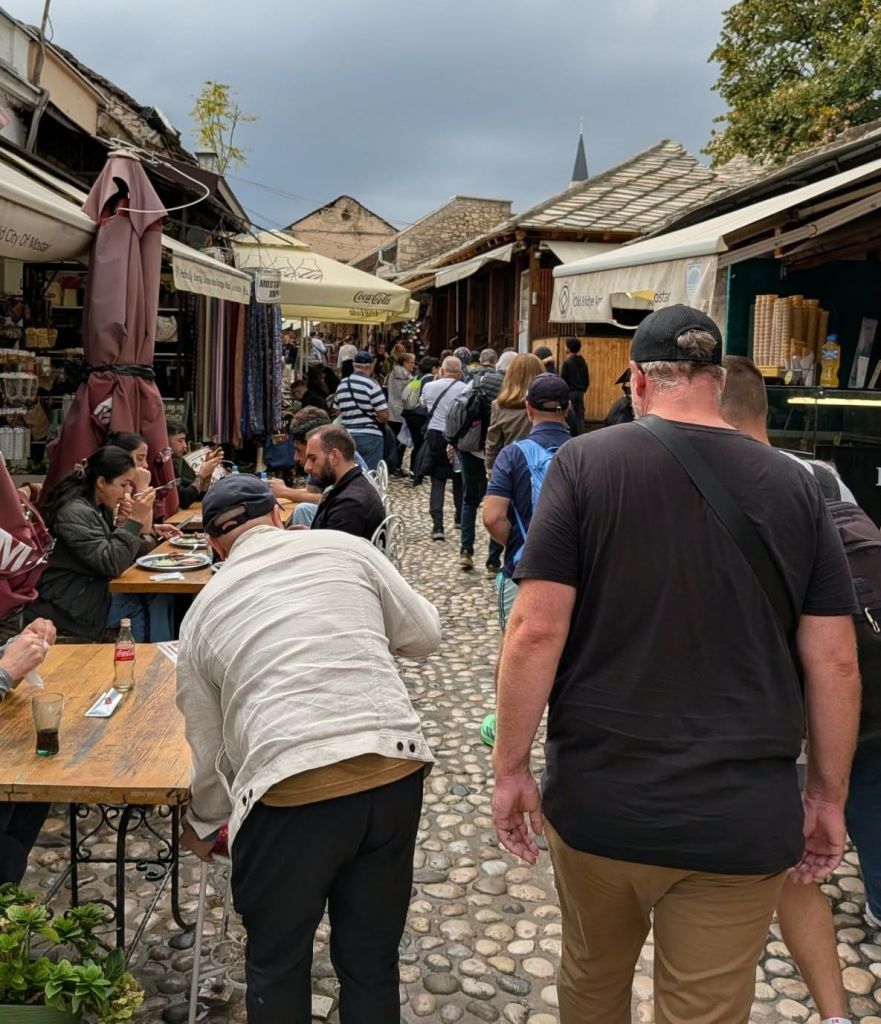
We arrived at our hotel, got our room and went out to explore. We walked to the old town and found it overrun with large tour groups, its narrow streets choking with hungry visitors looking for a place to eat. We tried two restaurants, one was full of a tour group, the other was full of noisy customers and the tables were jammed closely together that there was no room to even sit. We made the decision to leave the old town and find somewhere a little quieter.
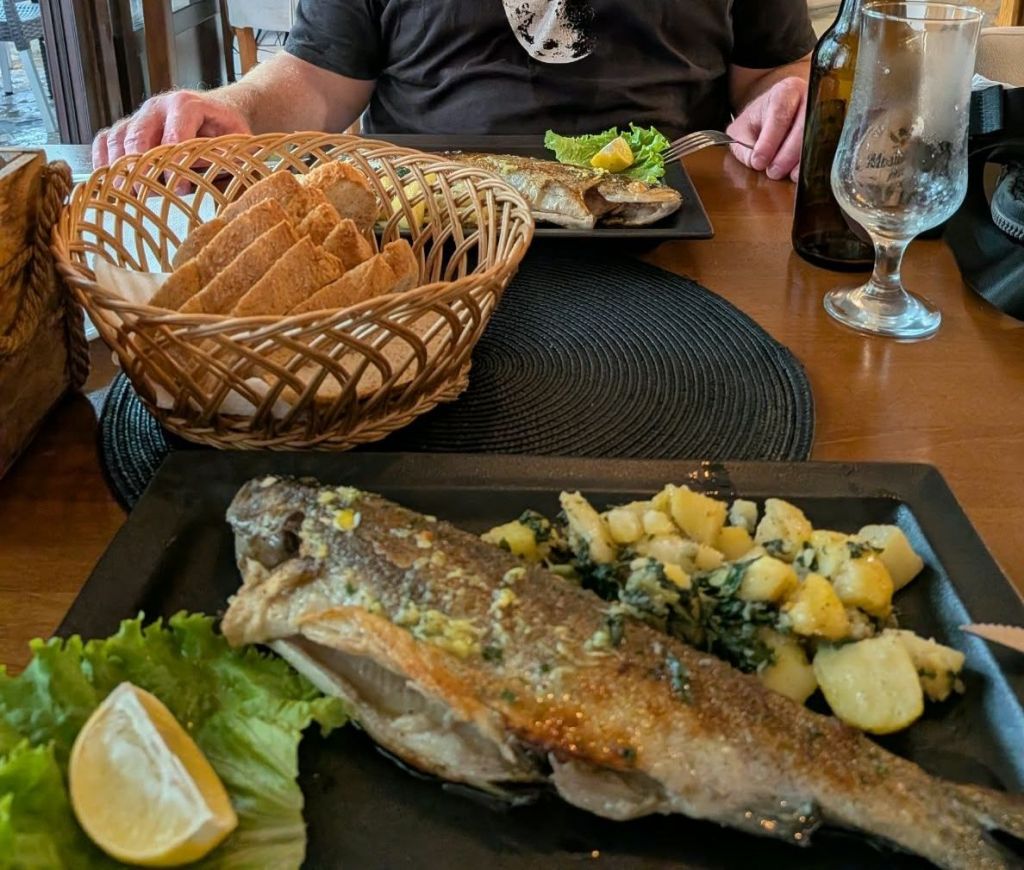
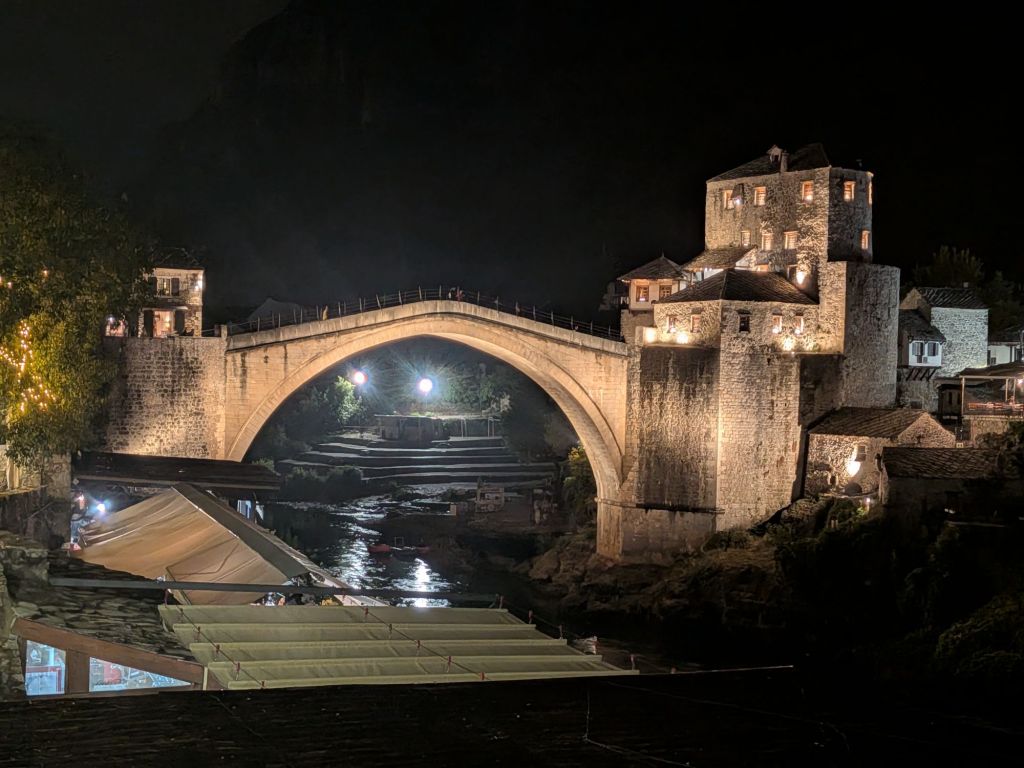
We finished our lunch, walked the town a bit more and that was basically it. Aside from seeing the famous bridge and exploring the old town, there wasn’t much else to it.
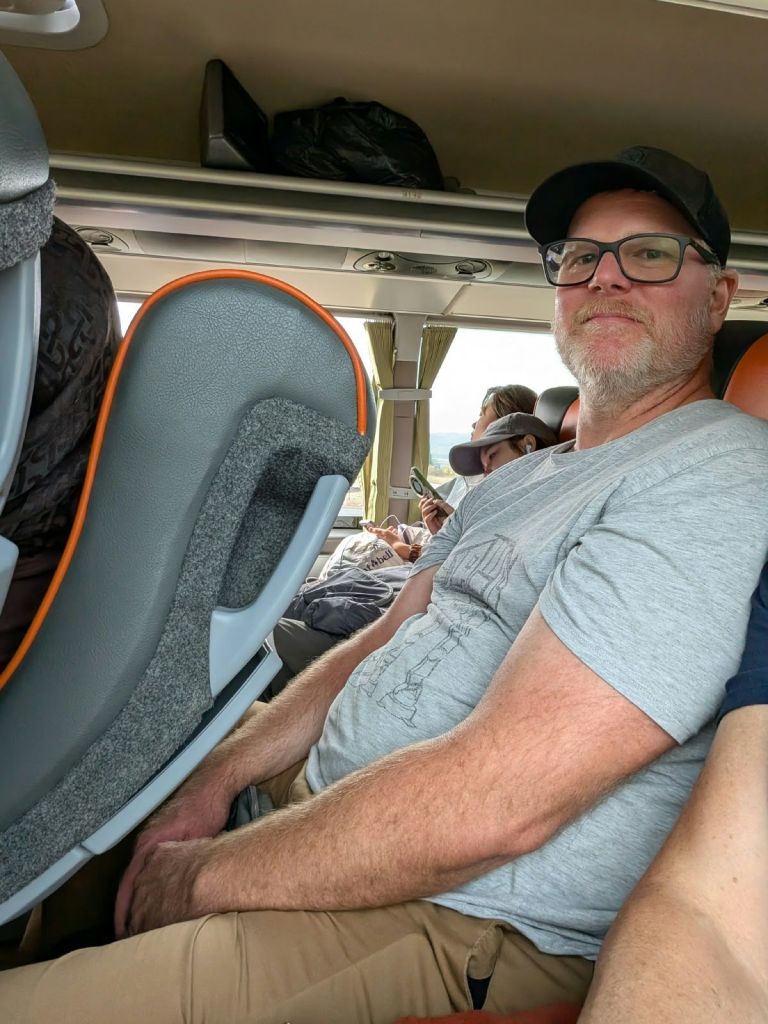
The next morning, we headed for Kotor in Montenegro. This bus ride would take roughly six hours, involve one border crossing, and include one broken seat that wouldn’t stop reclining.
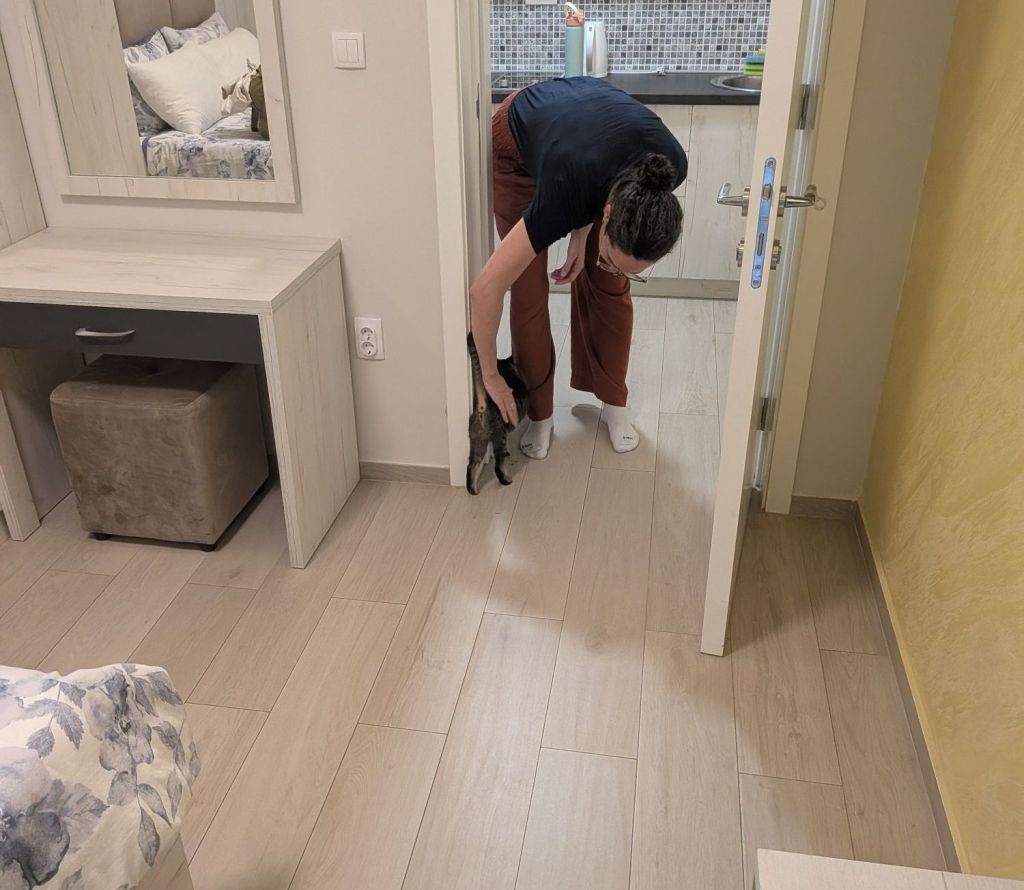
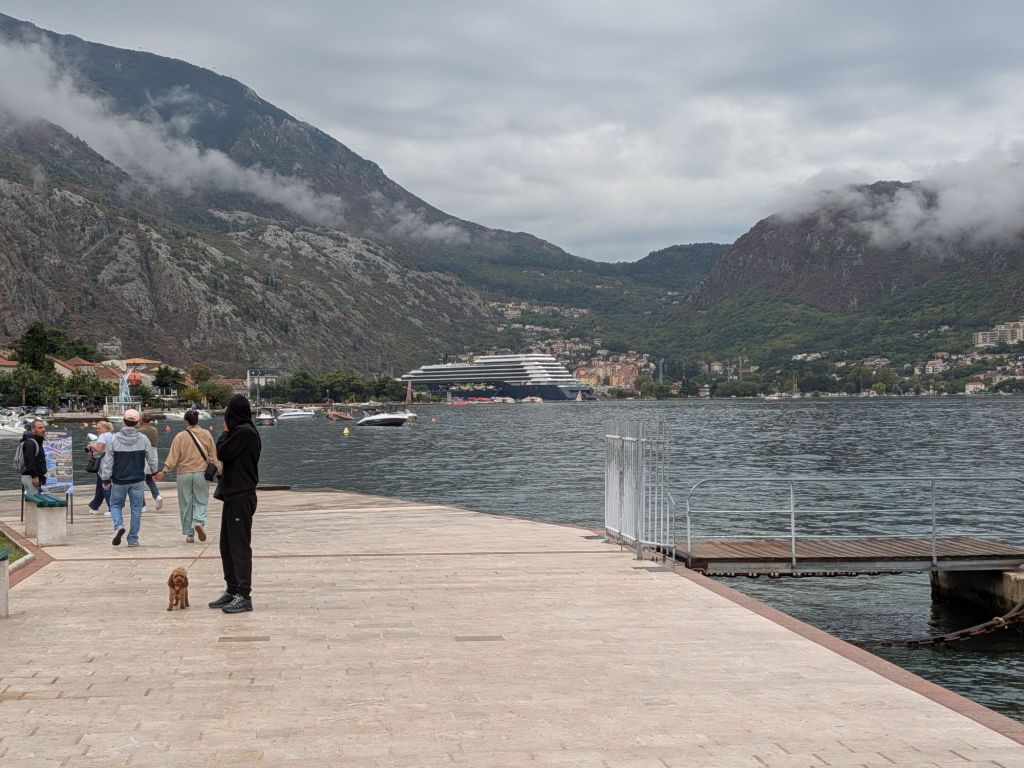
We rolled into the Kotor bus station at about 3:30, then walked back in the direction we came for about 25 minutes to our accommodation. The walk was mostly along the waterfront where cafes and restaurants were still quite busy with tourists even though it was early October. We arrived at our apartment and no sooner did we unlock the door did one of the resident cats run in to greet us.
We got ourselves settled and went into the old town, walking back along the waterfront.
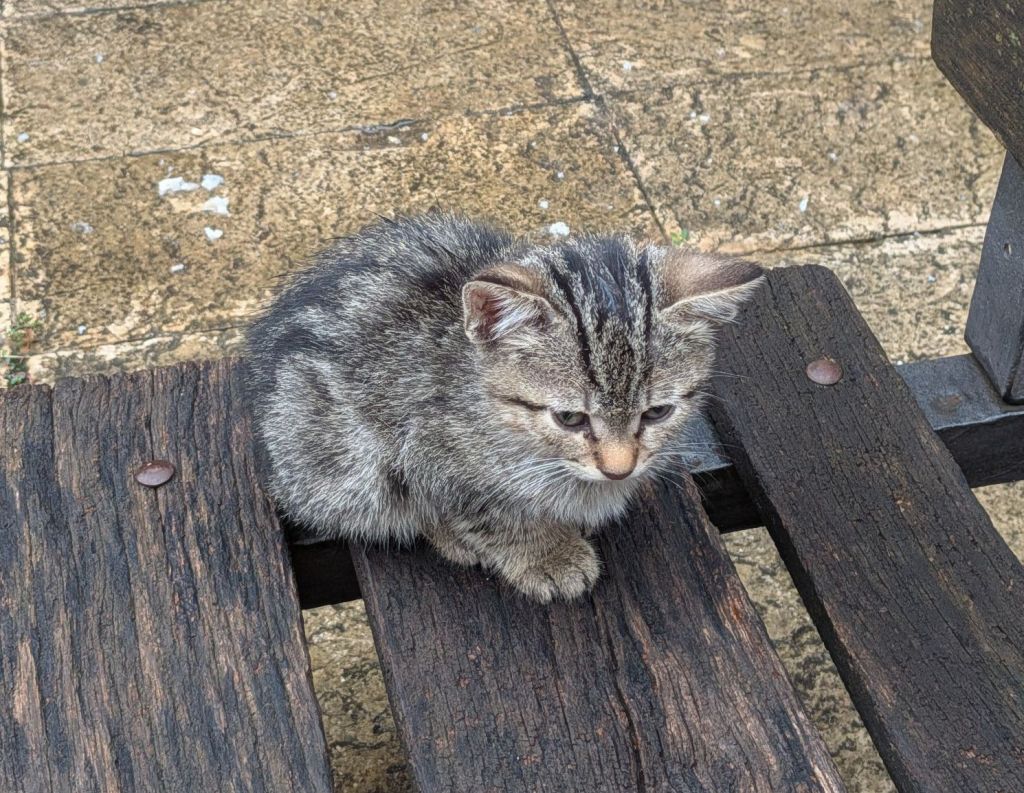
The old town seemed like every other Venetian influenced old town, slick white stone streets that wind through cafes, restaurants, and gelato shops, past churches and souvenir vendors, and very few, if any residents. The main differences being the cat population in Kotor is so big, they have their own park, and the prices were more reasonable.
On our way back from the old town we stopped to get some groceries, bread, cheese, eggs, milk, pasta, vegetables, water, and six large beers all for around €18. That night we ate dinner at home and just went for a walk after.
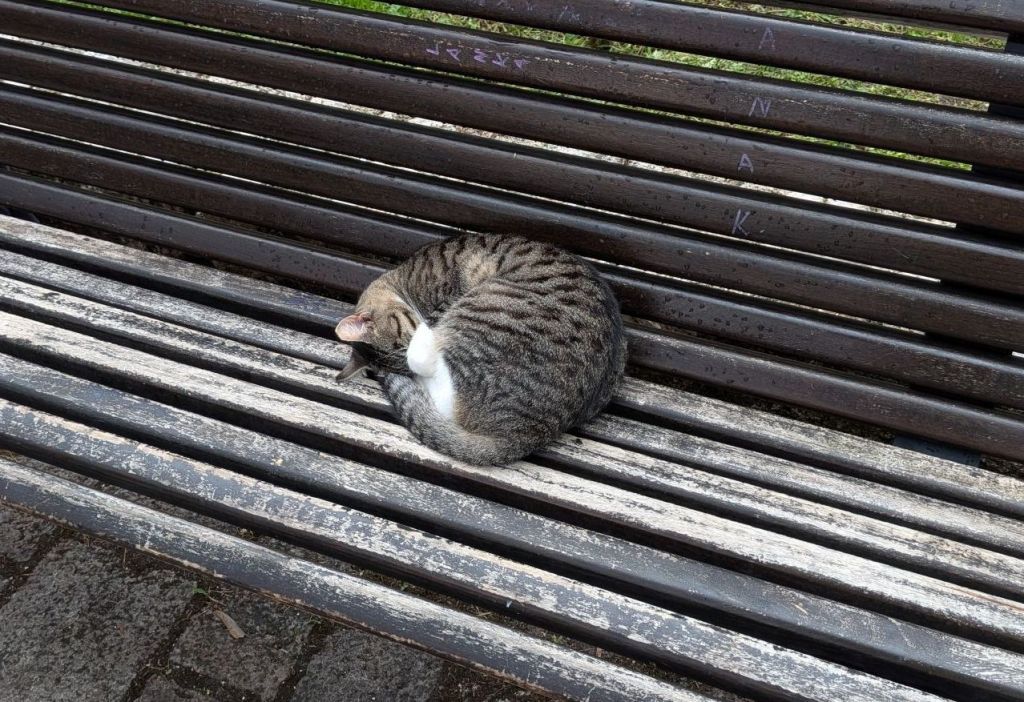
The next day was much the same as the day before, wandering the old town, taking pictures of sleeping cats, drinking coffee, eating a delicious pasta lunch, and dodging the odd torrential rain shower.
We again ate dinner at home, this time ordering a pizza from a place a few steps down the road: prosciutto, olives, cheese and a ton of minced garlic.
Kotor was nice, and definitely worth a visit, the food was fresh, the shellfish is plucked directly from the coastal waters and the prices are reasonable, but I suspect there are many nice places to visit in Montenegro that have more of a Balkan feel.
The next day our bus ride to Tirana in Albania was scheduled to be six hours long, we took it easy, and went to bed early.

