Sarajevo

The bus to Sarajevo did not leave on time. In fact, we were still waiting for it to show up at the station long after it was supposed to depart. At one point, we were beginning to think we were going to have to make alternative plans. Eventually the bus did show up and we departed almost an hour late.

After about an hour’s drive we made it to the Croatia/Bosnia and Herzegovina border where we had to go through passport control, a process that took about thirty minutes.

The sun slowly set as we traversed the countryside on winding, sometimes bumpy roads. We passed through villages and towns dropping off and picking up new passengers at the few stops we made, and by the time we reached our destination it was late and we were tired. A quick cab ride brought us to our accommodation, and we went directly to bed.

In the morning we went out the front door of our building to the next main Street only to find that we were within a few steps of the main pedestrian area and a 10 min walk from Sarajevo’s famous Bazaar.
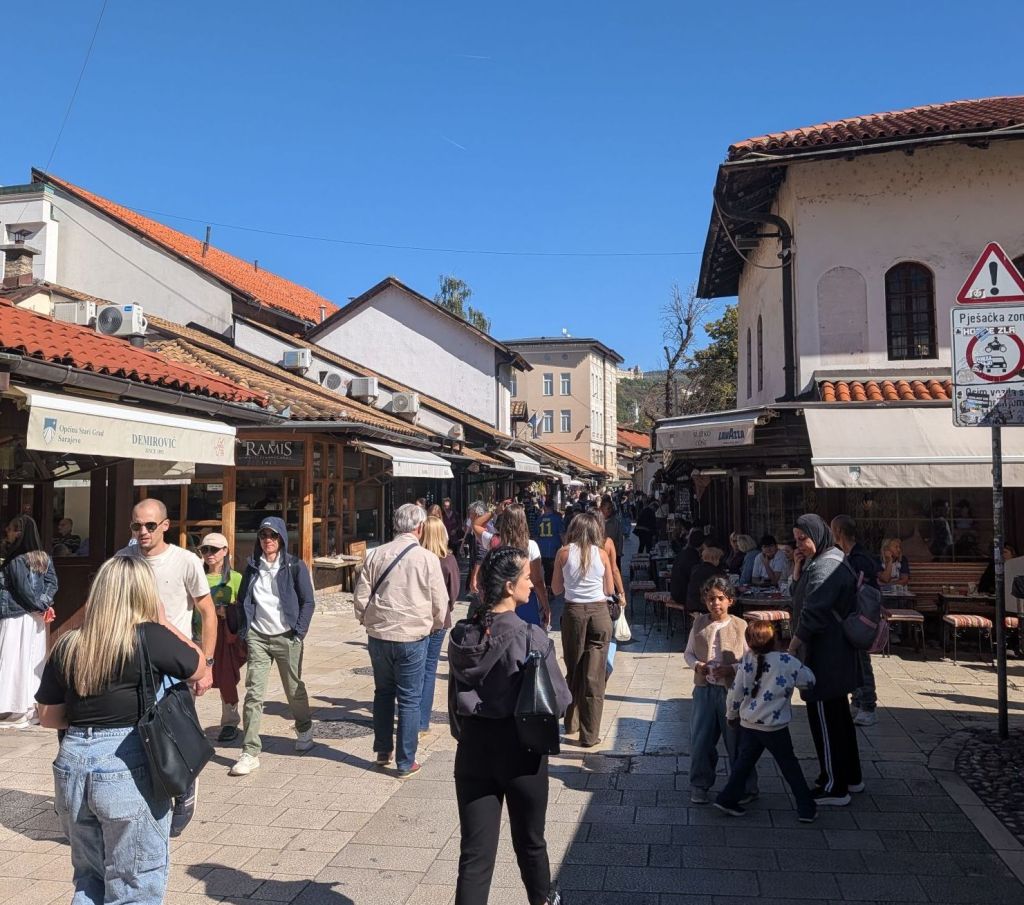
Sarajevo’s Bazaar, with shops, cafes, and mosques, but not a lot of beer.

We knew we wanted to try a famous dish from this region called Ćevapi, little beef sausage served in a bread that felt like a cross between focaccia and a pita, raw onion and Kajmak, a sort of Balkan clotted cream.  We quickly found a place nearby and after a brief wait, we ate.
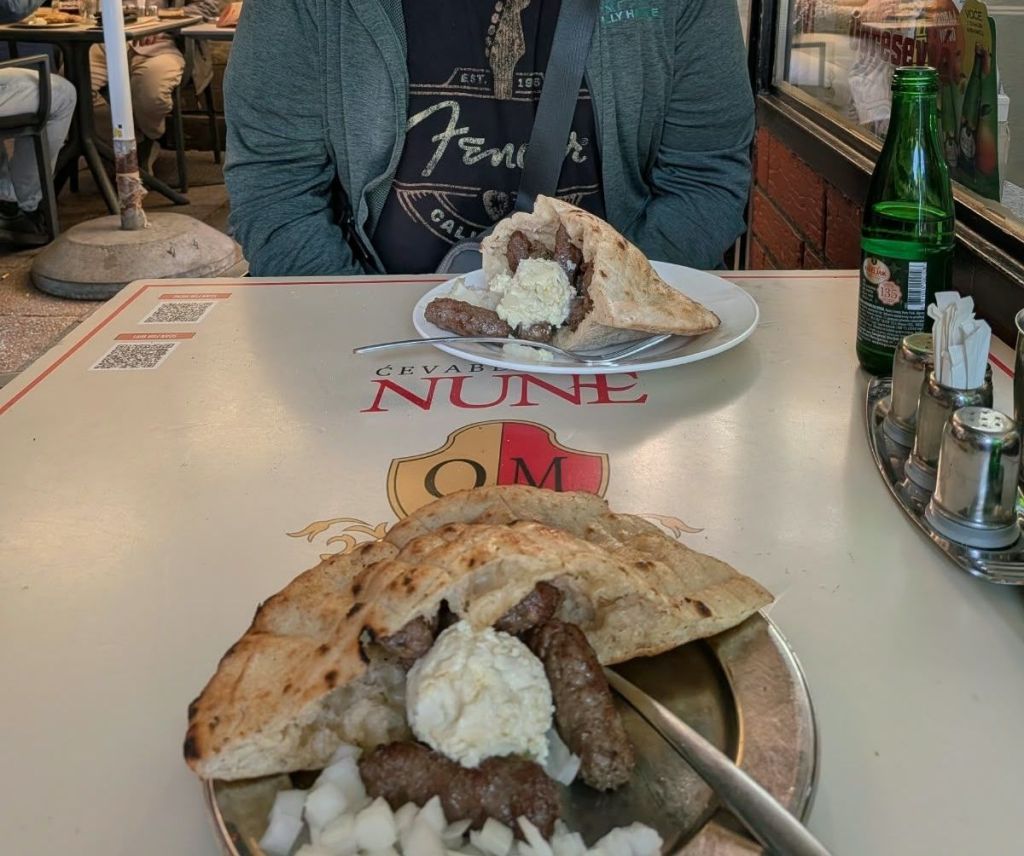
Ćevapi, giving people onion breath since forever

We spent most of the day exploring the city, we took a tram to the train station to see about securing train tickets to Mostar, and when we got to the station we sensed something was off. The place was deserted, with the exception of a security guard, and a couple of maintenance workers, and oddly, a semi busy cafe. There was no board announcing arrivals and departures, and no kiosks or ticket agents anywhere. Truthfully the agents were on break, but there was a sign that read “Due to a major fire train service is suspended indefinitely”.

We waited around until the ticket agents came back from their break, and found out that no, trains were not suspended, but yes, there was a major fire at one of the stations along the route we wanted to take, and no trains were not running to Mostar on Thursday, only Friday, Saturday and Sunday. The agent was very apologetic, and said we should check back on Monday to see if anything changes, but I wasn’t going to hold my breath.

The next day we once again took advantage of a free walking tour and our guide took us to many of the interesting places in Sarajevo. We stopped at Kazandžiluk ulica, which translates to Coppersmith street, where we met a fourth generation Coppersmith who gave a short demonstration of his craft.
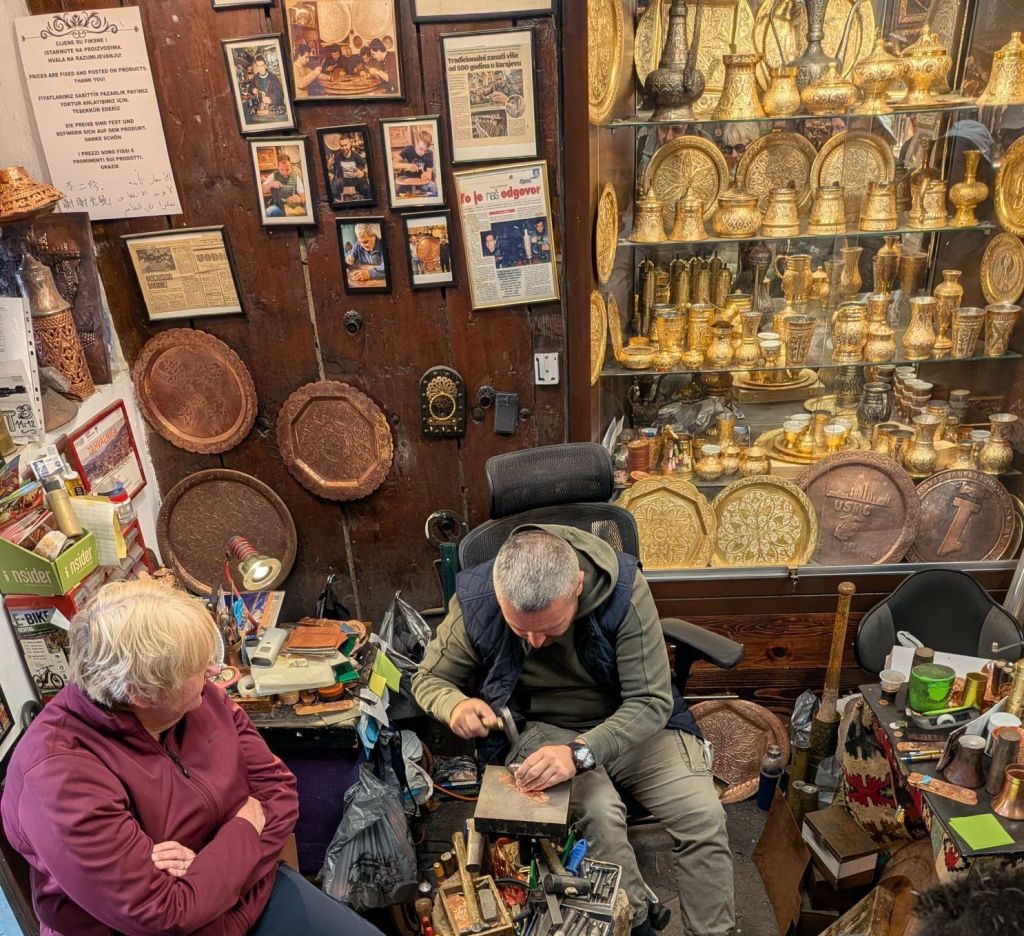
Tapping away, making a bookmark

He was very proud of his craft and the fact that his son was following in his footsteps. He also showed us how they take the brass shell casings that litter the hillsides and turned them into ornate vases, shells that pummelled the city for 4 four years. Repurposing something designed to destroy, into something that can hold beauty and life.

We visited other sights, like their city hall building that burned to the ground during the siege, and was rebuilt to the original specifications.
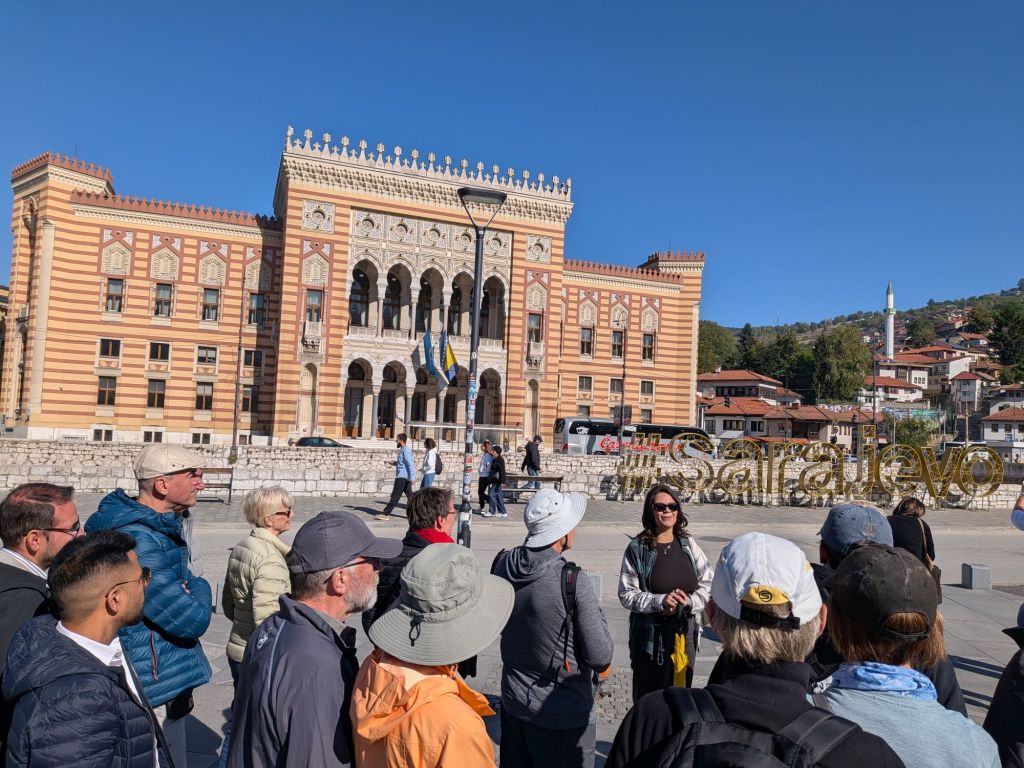
Our tour group, tour guide, and City Hall

We were taken to the Emperor’s Mosque, Sarajevo’s oldest place of worship built over 100 years from 1457 to 1565. Our guide also wanted to showcase the city’s religious harmony by taking us to an Orthodox church, a Catholic church and two buildings that used to be Synagogues. Along the way we made a stop at a location that could be described as one of the most significant places in modern history. Just on the north side of the Latin Bridge the Archduke Franz Ferdinand and his wife Sophie were assassinated by Gavrilo Princip in 1914 after a series of unfortunate events. A month later World War 1 would begin.
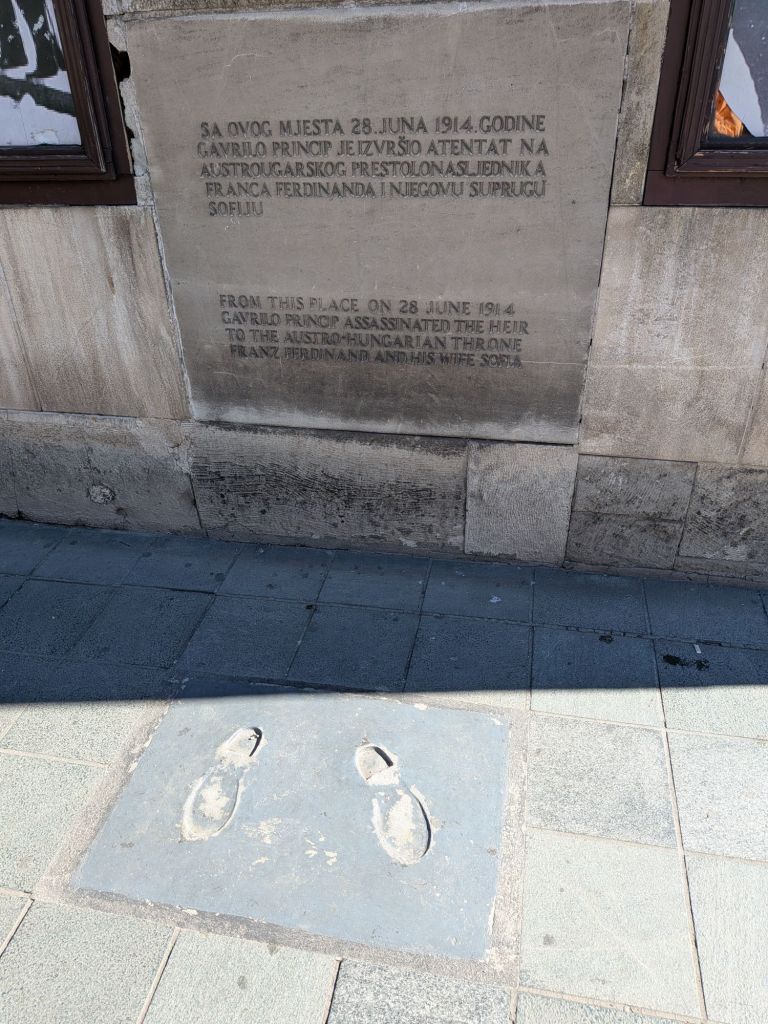
Standing in the literal footsteps of history

Walking through Sarajevo gave almost constant reminders of what this city and its people went through in the early 90s. Bullet riddled buildings on almost every street, and what are called a Sarajevo Rose, a shell impact that took at least three lives were preserved using a red resin, creating a haunting sidewalk monument.
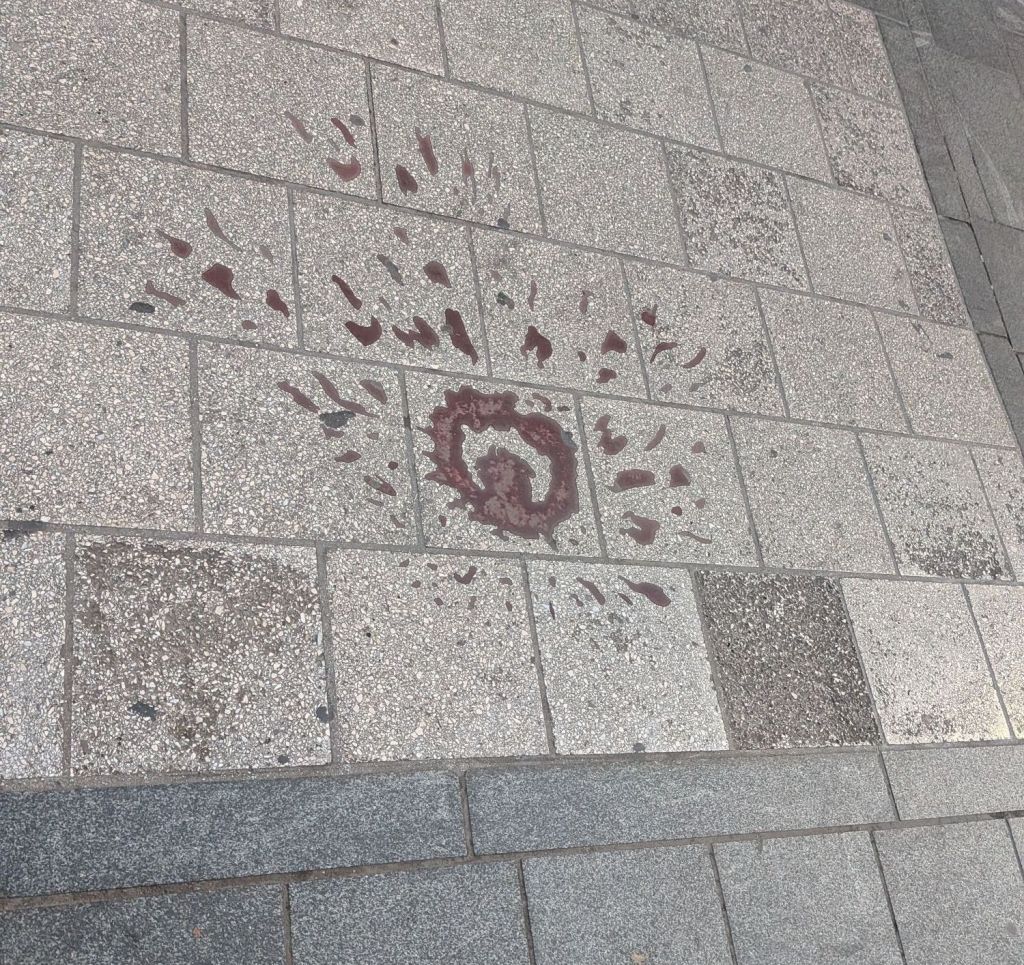
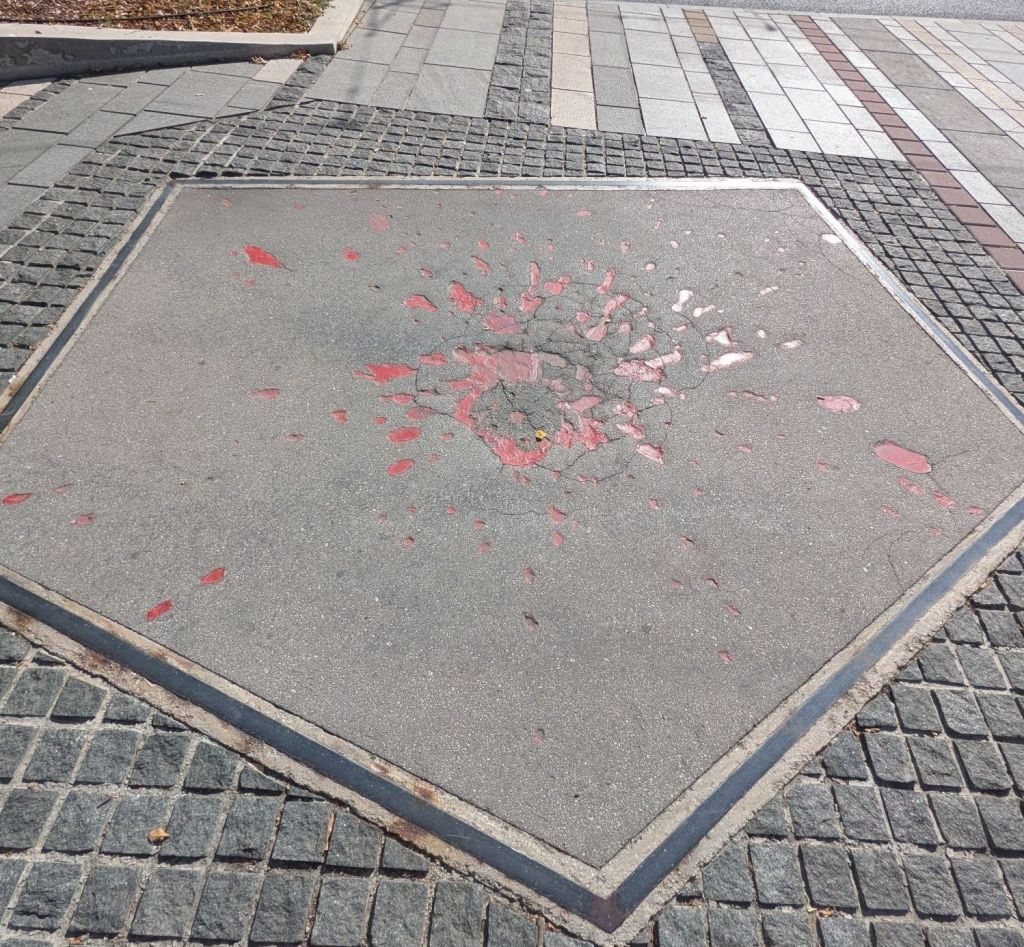
Just two of the almost 200 Sarajevo Roses in the city.

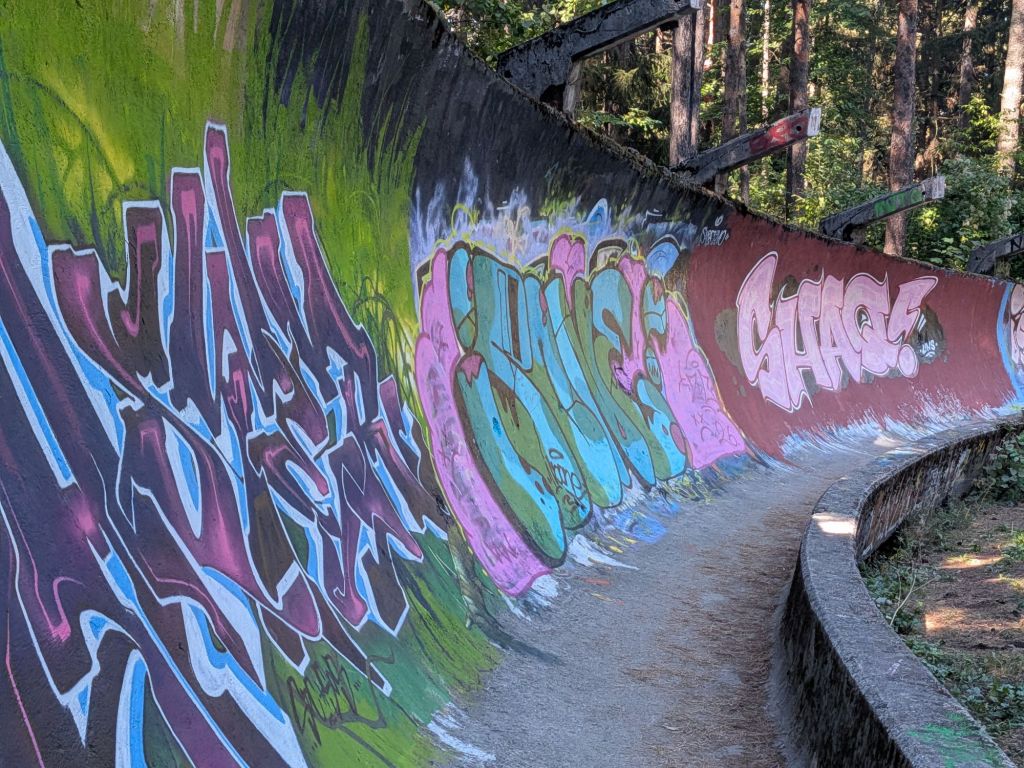
The next day we walked up to the cable car station and went to the top of the nearby ski hill where the old bobsled track from the 1984 Winter Olympics still sits, and as a fun activity, people are allowed to walk along its length. The turns are marked with elaborate graffiti, something I believe is encouraged by local authorities.
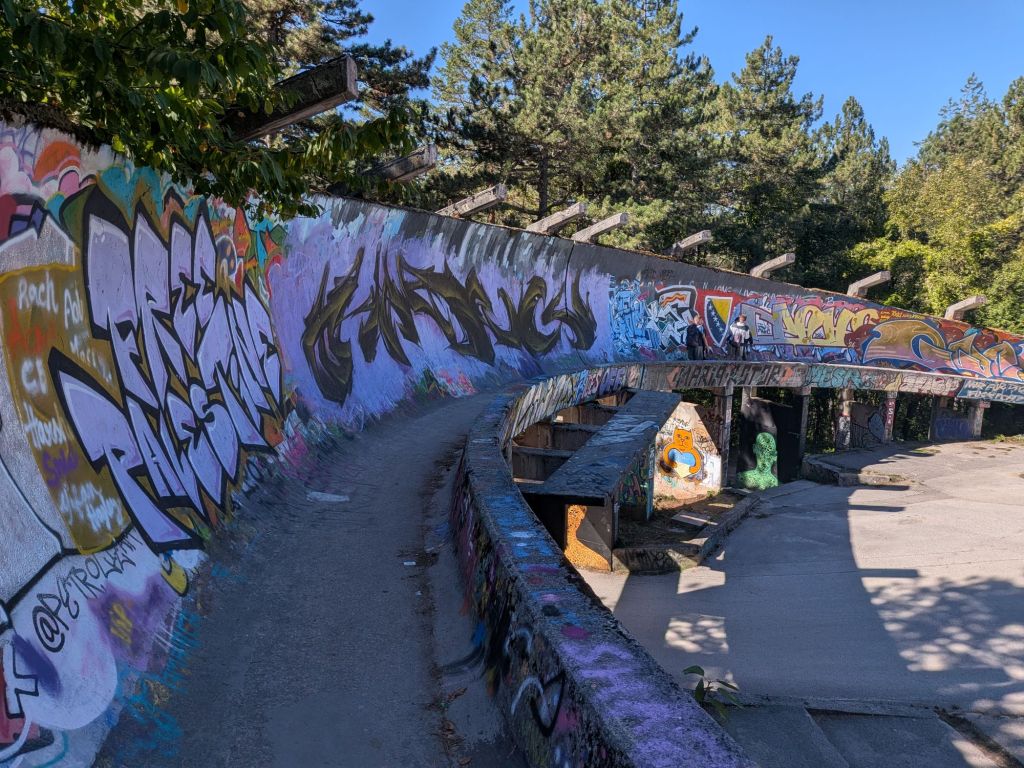
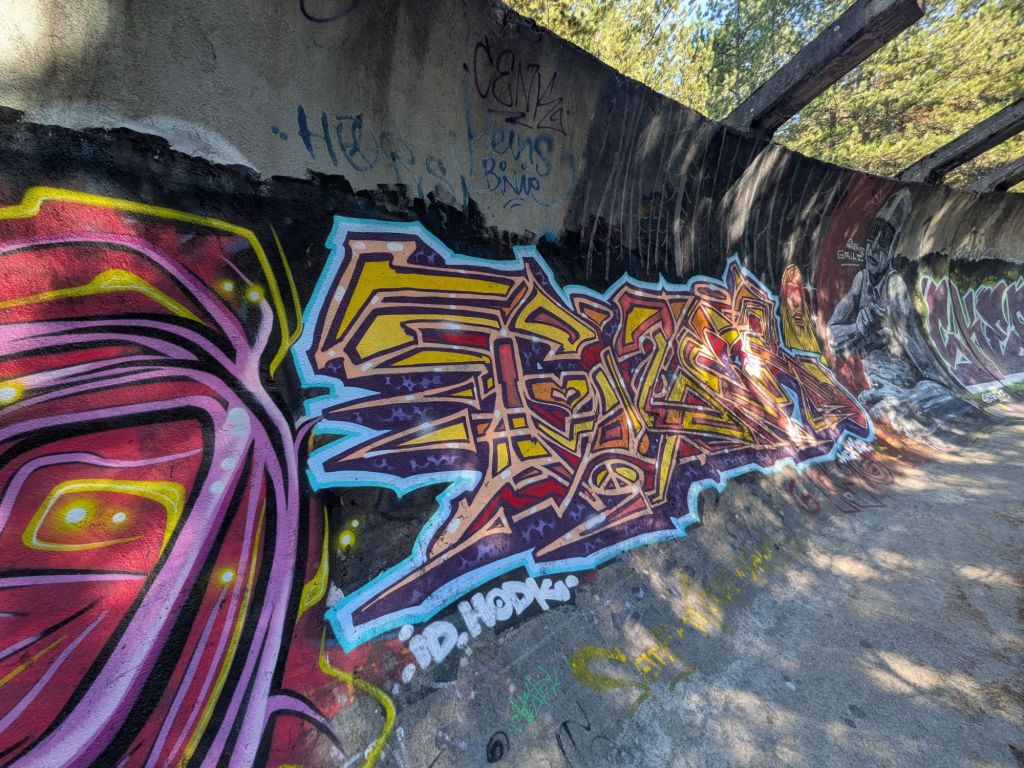
The colourful turns of the bobsled track

One of the unexpected highlights of our stay in Sarajevo was the food. Everything that we tried was composed of basic ingredients, fresh vegetables, limited spices, and hearty meats. But there was such a variety of dishes. I already mentioned Ćevapi, but other must tries in Sarajevo are Burek, a large rolled pastry stuffed with meat served like pie with a dollop of yogurt sauce.
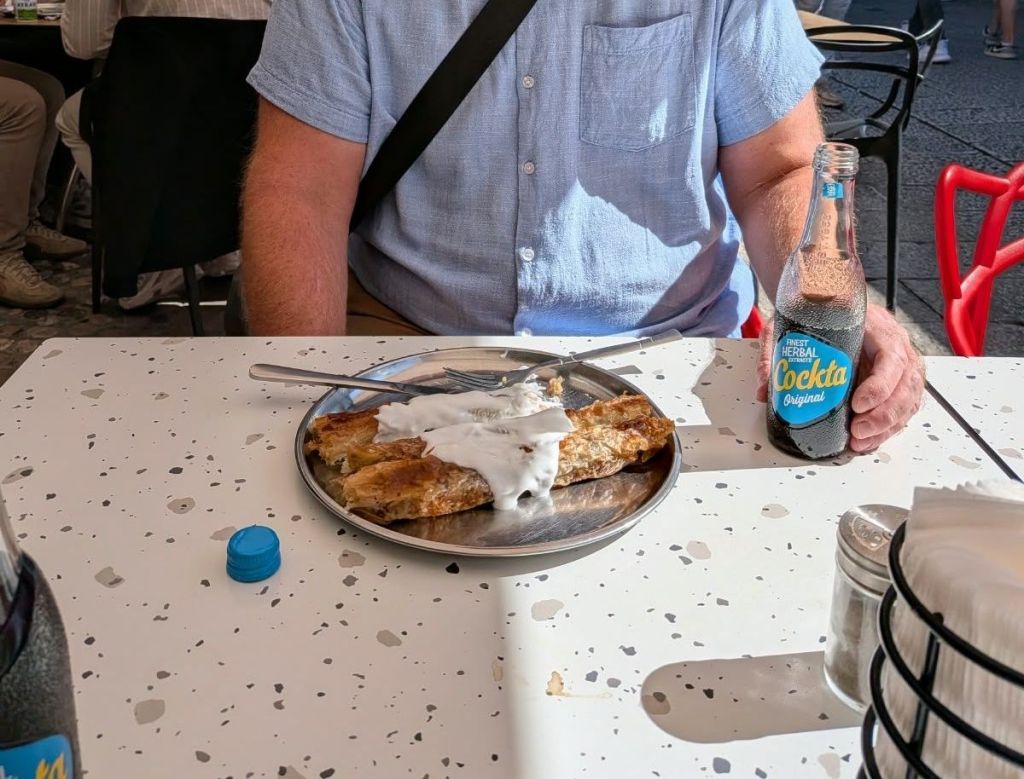
Delicious Burek

Another local dish that didn’t disappoint was Klepe, a ravioli type dumpling served in a garlic yogurt sauce, one of the best things I had in the city.
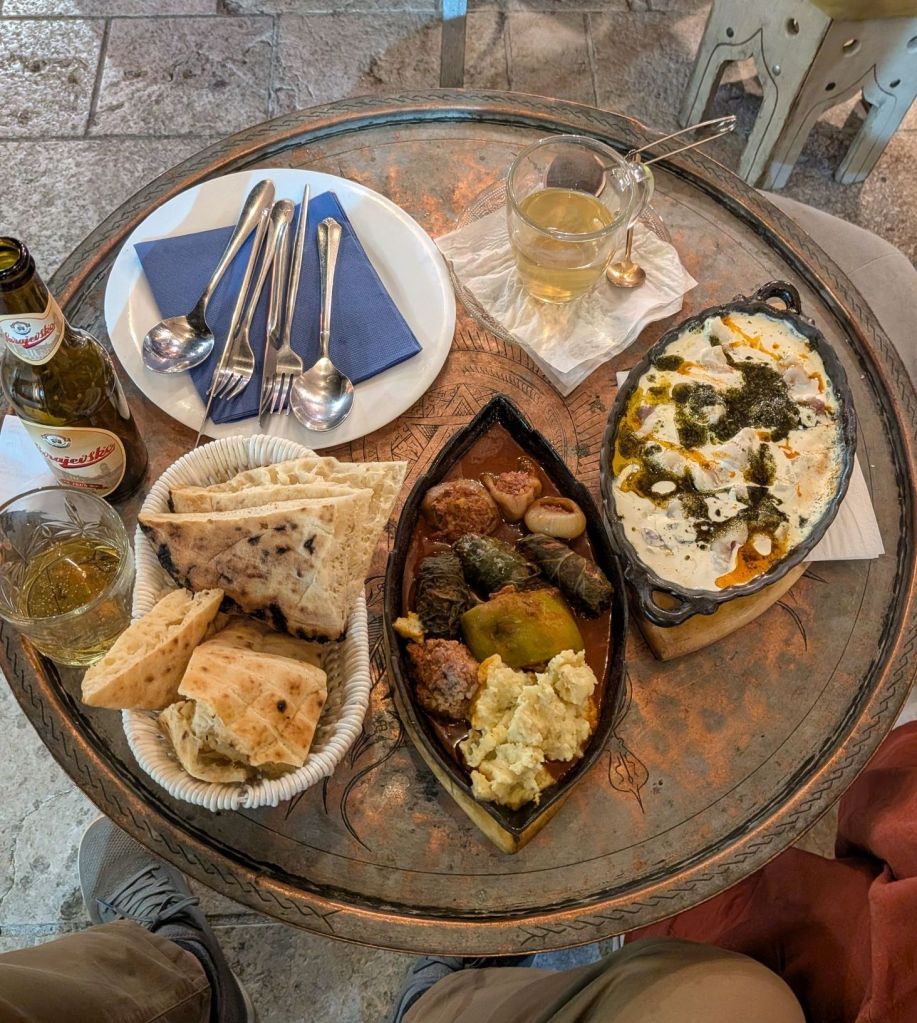
Klepe, the dish on the right, the other dish is a variety of stuffed vegetables in with mashed potatoes in a savoury sauce

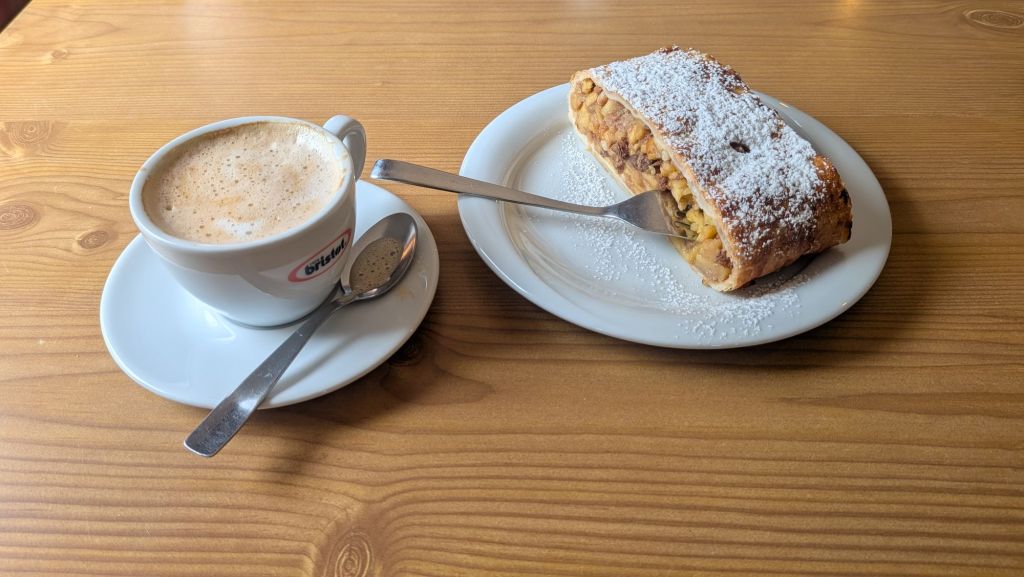
The apple pie in Sarajevo was more like an apple baklava. Filo pastry stuffed with apples walnuts and cinnamon drenched in honey.
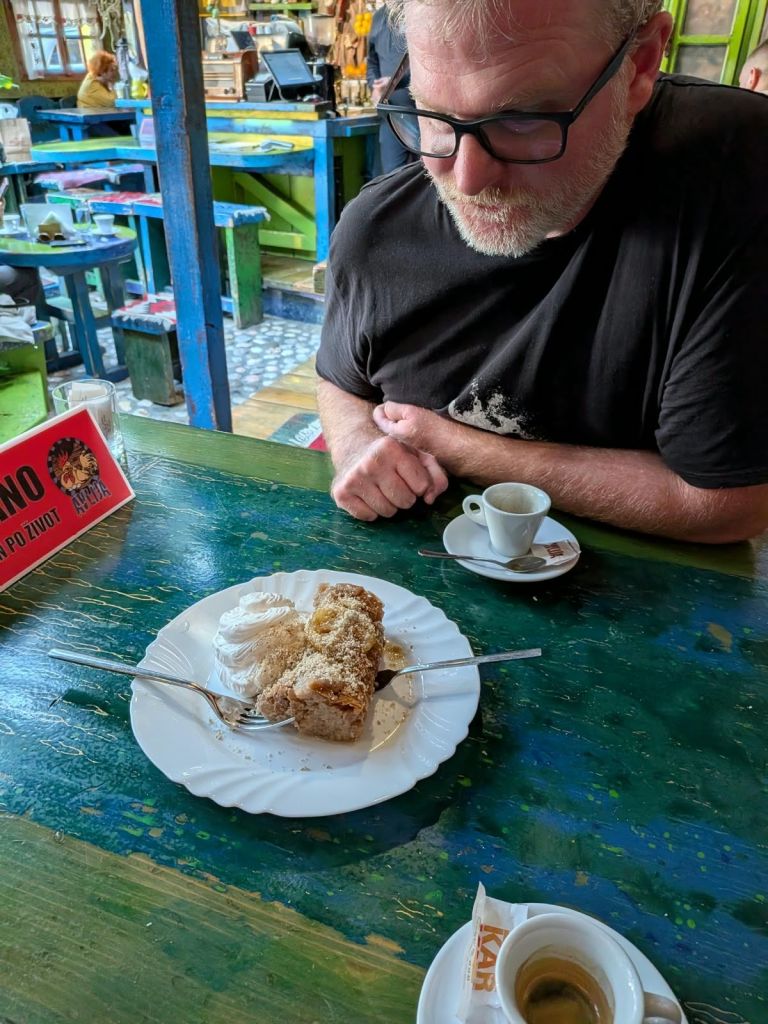
Me, ogling the apple pie

And lastly, something that needs to be experienced is Bosnian coffee. Straight grounds and water heated in a small copper pot called a džezva steeped for a few minutes to let the grounds settle, then poured over a sugar cube. Generally served with a Turkish delight and in the case below, lemonade.
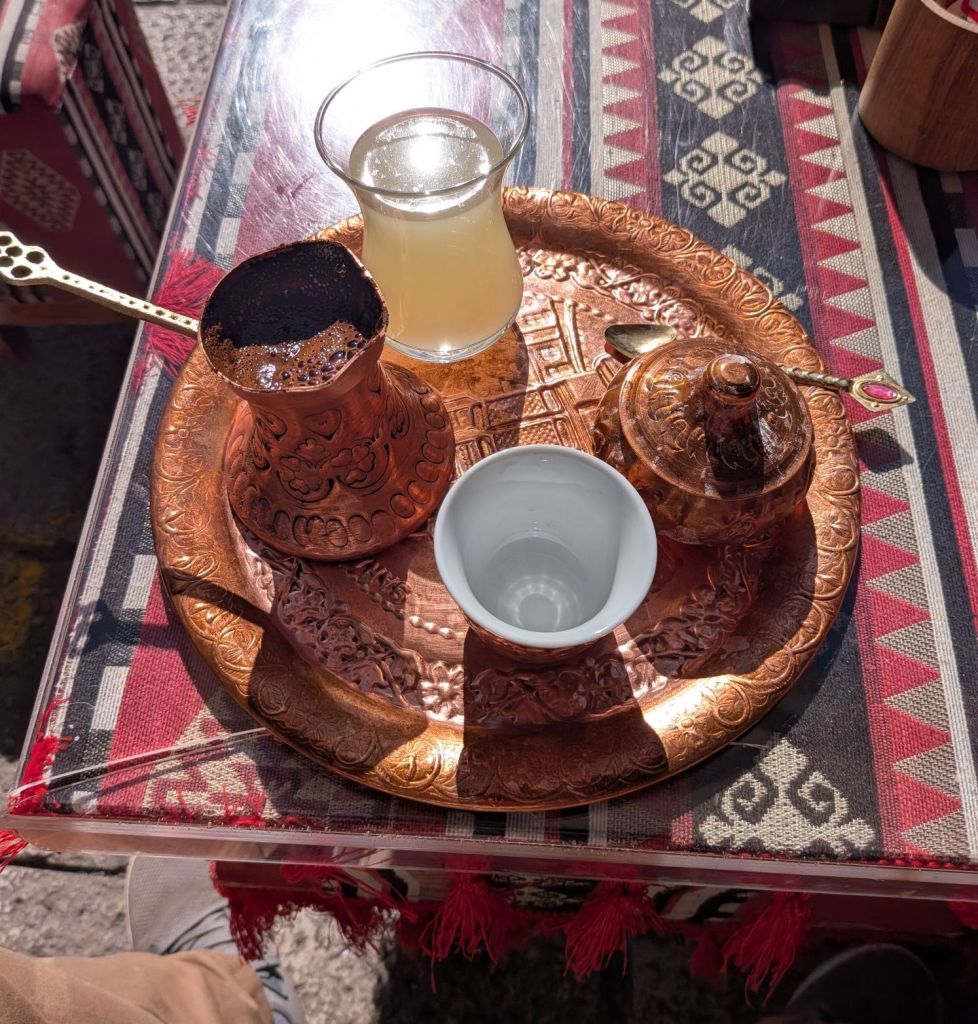
Bosnian coffee is strong, but quite good

Sarajevo has to be one of the most diverse, interesting, delicious and tragic cities I’ve been to. I already mentioned the bullet ridden buildings, and the Sarajevo Roses, but one thing left to mention are the cemeteries. I first noticed them when we were driving through the villages and towns, on our way to Sarajevo the frequency and size was noticable. Then on our trip up the mountain to the bobsled track I could see at least four massive cemeteries in the city below. 

One afternoon, while we were walking up a small, steeply inclined street, we happened across a large cemetery called Kovači Cemetery, most of the headstones were dated between 1992 and 1996, over 1,500 graves in this one alone.
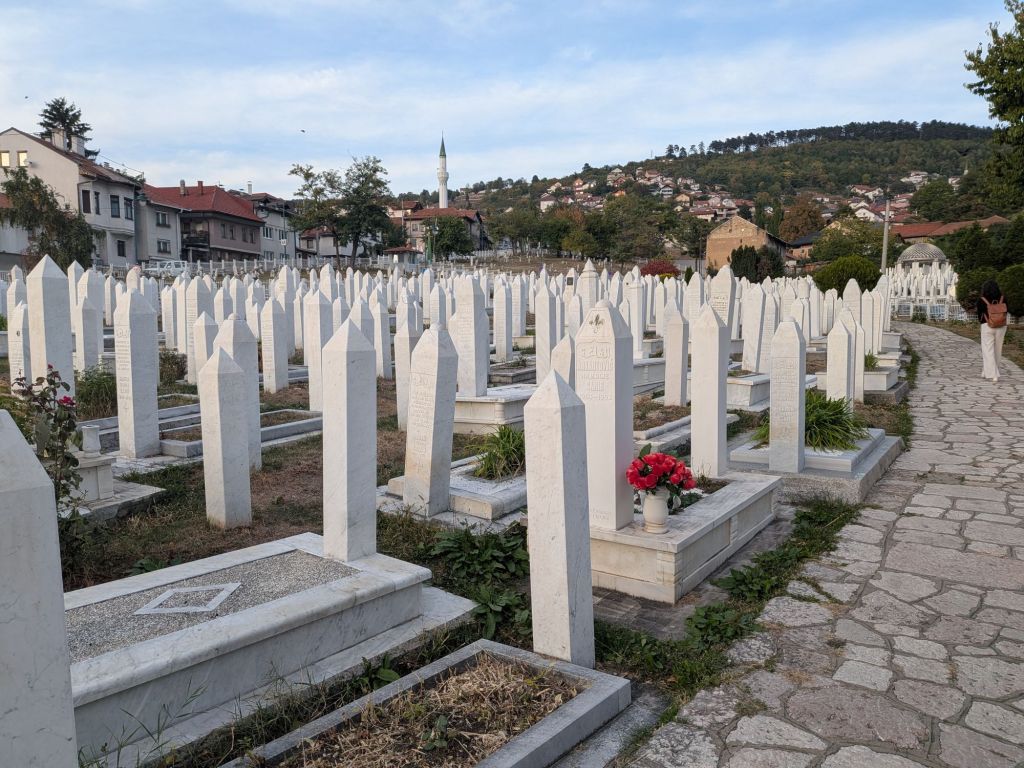
The graves of about 1,500 people lost in the siege

Over 14,000 people lost their lives during a siege that was calculated to take seven days but lasted for four years. Many of the dead were civilians, and of those civilians over 1,500 were children.

But after those horrible years, the citizens just picked themselves up, dusted themselves off and carried on. Yes, there are museums about the horrors of the siege and the conflict as a whole, and the daily reminders like the speckled walls of a shot up building, evidence of what people are capable of, both the evil and the extraordinary. 

As our bus pulled out of the station on the day we left, it was the first time I felt a little sadness. I don’t know if I’ll be back, but I definitely recommend a visit, and surely hope to return.
Croatia Part 1. Zagreb and Split

Hello! I tried to make an edit to this post and accidentally deleted it, so I’m re-posting it. See if you can spot the edit.

The bus from Ljubljana to Zagreb was a fairly quick and uneventful two and a half hours. And as usual, our arrival in this new city found us quite hungry. Fortunately for us the Zagreb bus station has no shortage of cafes, so we were able to find a quick snack, then purchased two tram tickets that cost €1.06 for 30 minutes, and made our way to our apartment.

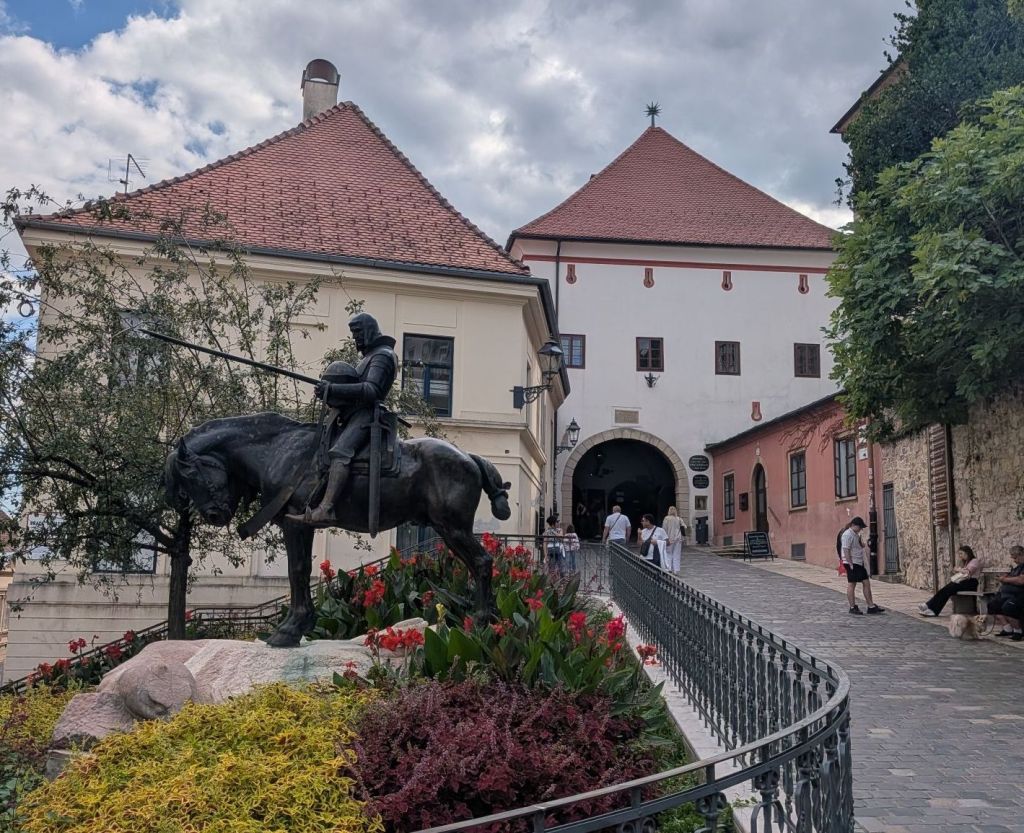
In the foreground, St. George stands over the slain dragon. In the background, Zagreb’s medieval gate circa 1242
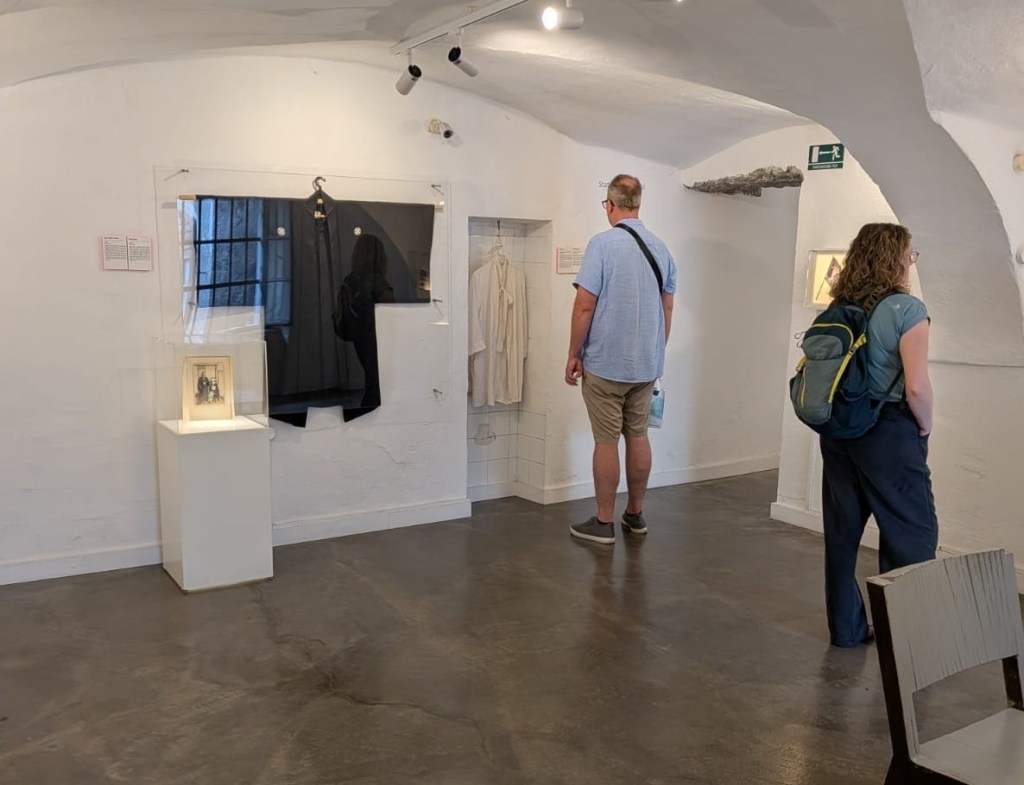
Zagreb is Croatia’s capital and largest city. It has tall buildings, wide boulevards, statues, and fountains everywhere. It has no shortage of museums, the chocolate museum, the hangover museum, and the museum of broken relationships, just to name a few. The museum of broken relationships was both sad and funny, it contained personal items that people sent from the world over that held some meaning whether it was a romantic, family, work or other relationship that in one way or another no longer existed.
Me, pondering a stranger’s loss.

Our first day in Zagreb was spent exploring the city, using a map from the tourist information centre that highlighted various points, 14 in total. It was my job, according to Carmen, to conduct a walking tour based on that map. I found 10 out 14 before getting lost, giving up, and finding a bar.

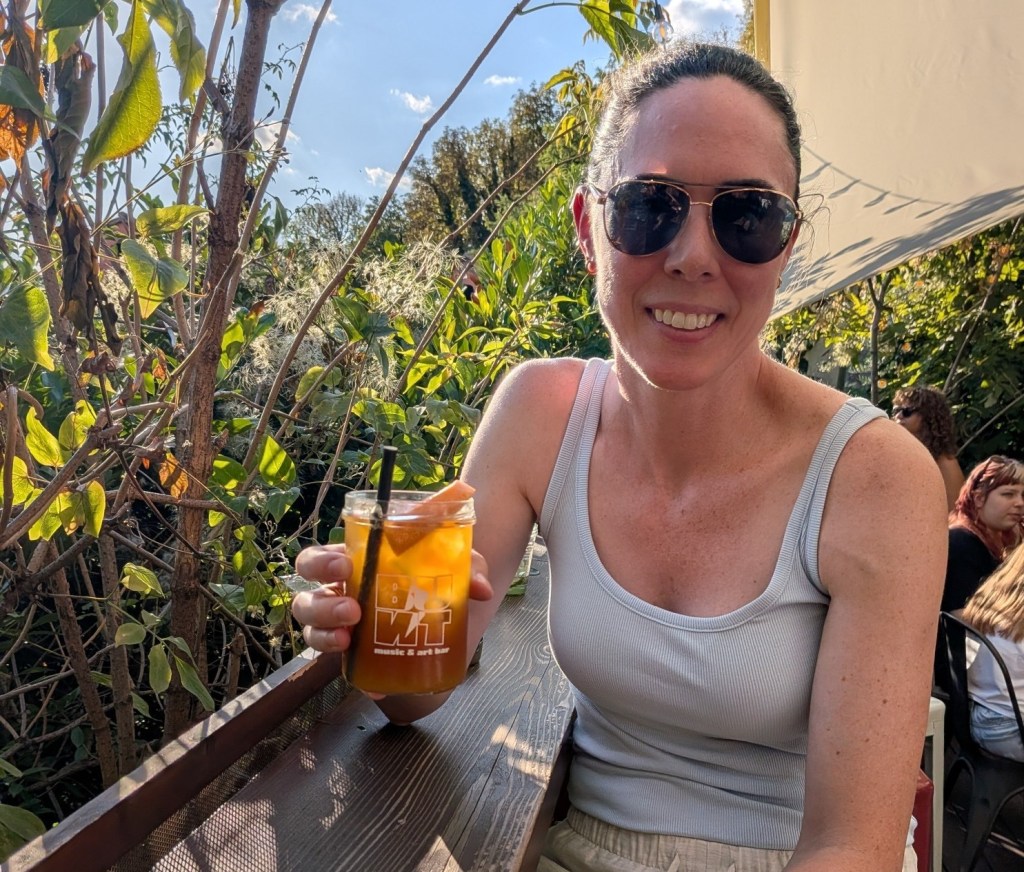
Carmen enjoying a Pelin cocktail at Bunt bar in Zagreb.

After my feeble attempt at providing a free walking tour, we went to a local grocery store and bought some supplies for some meals in our apartment. Lately we had been burning through our budget eating at restaurants for every meal. It was time to reign it in.
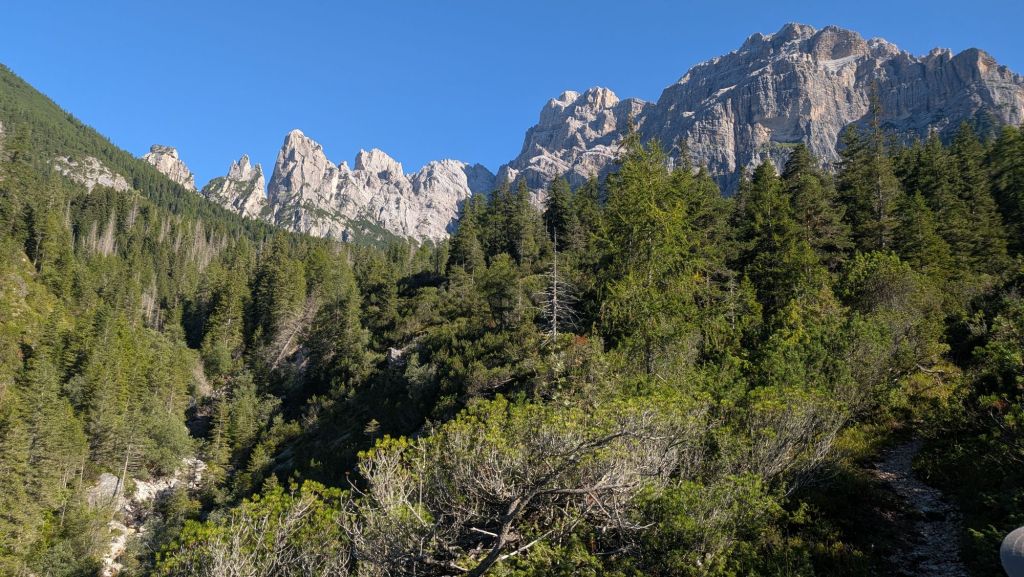
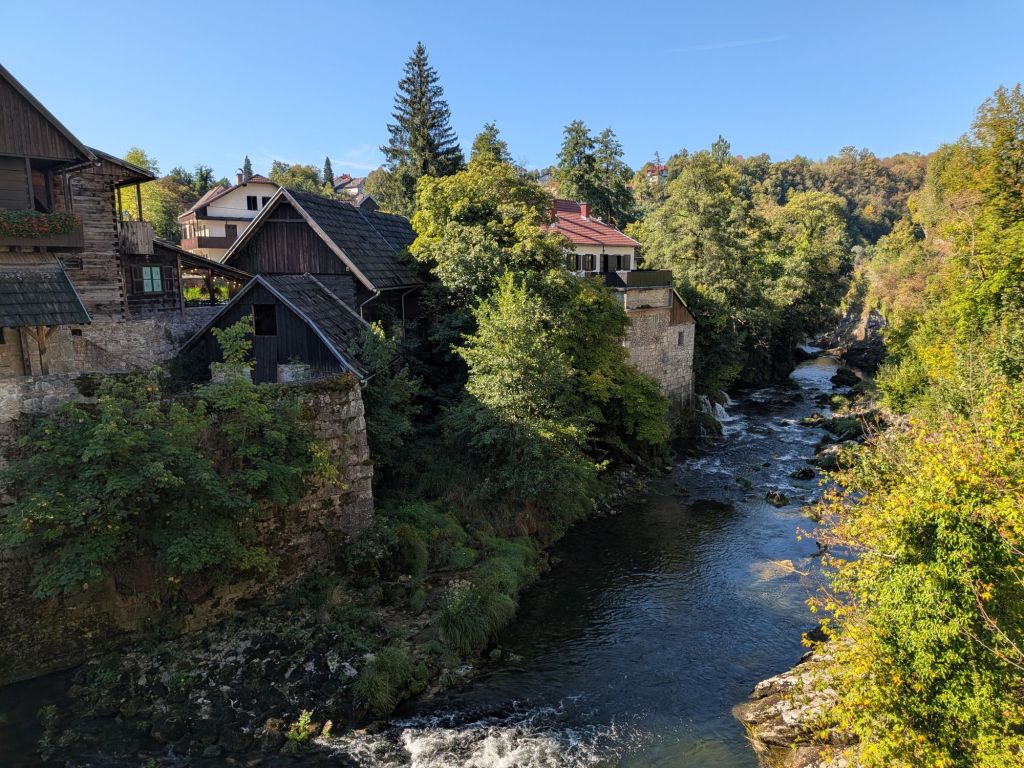
The next day we had booked a tour to Plitvice national park. Our guide Ivan or John if it’s easier for you, picked us and six others up at the Westin, and drove us to the park. On the way we stopped at Rastoke, a unique village that sits right where the Slunjica river meets the Korana river. Now mostly Airbnbs, this town used to have several water mills
The village of Rastoke

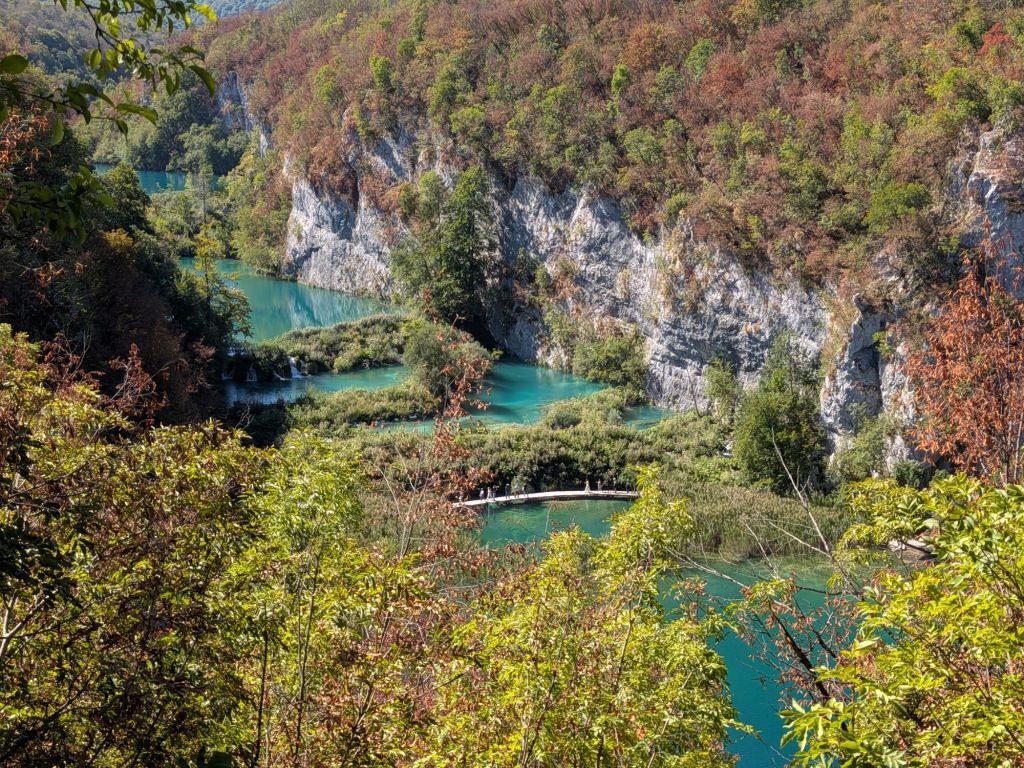
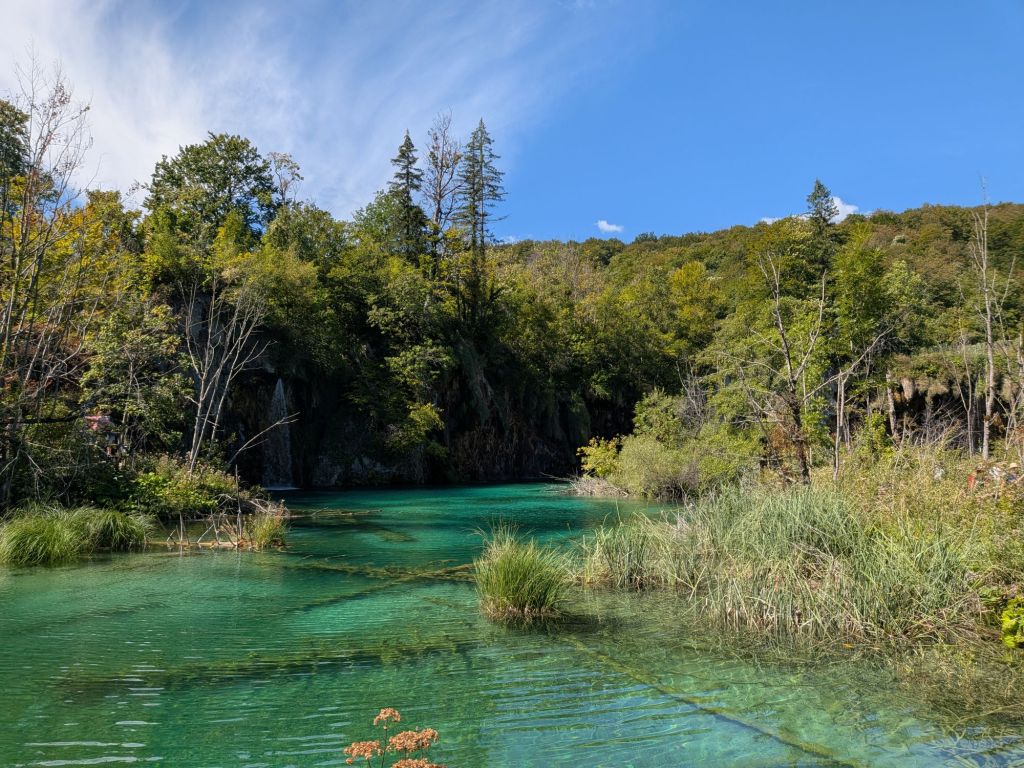
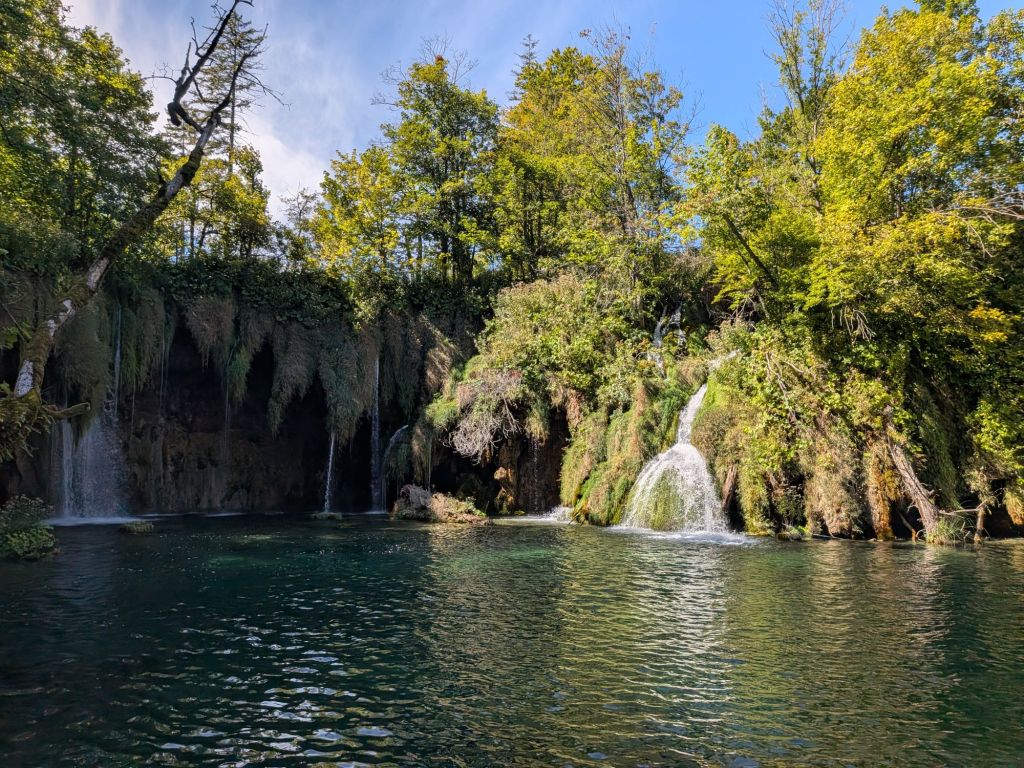
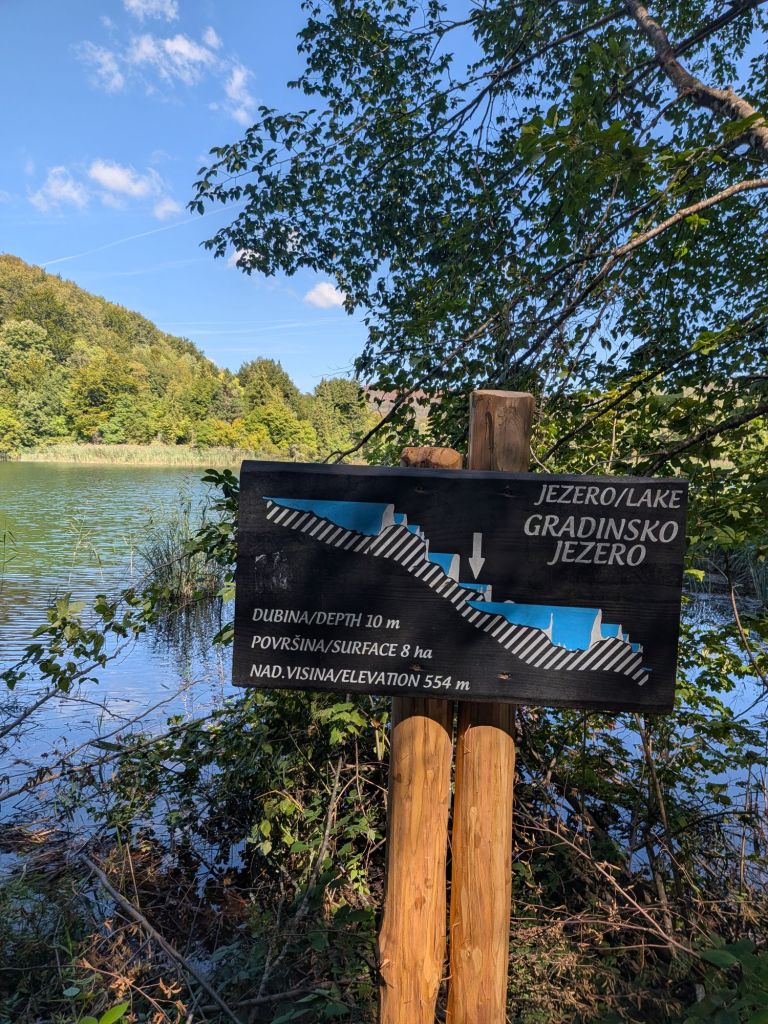
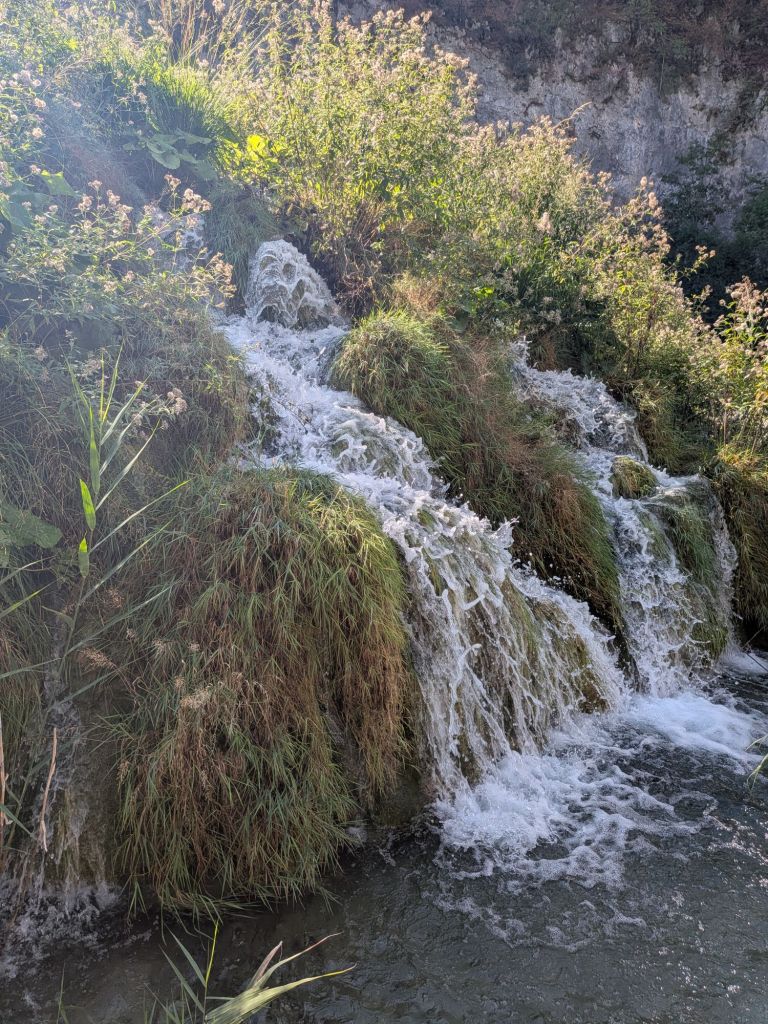
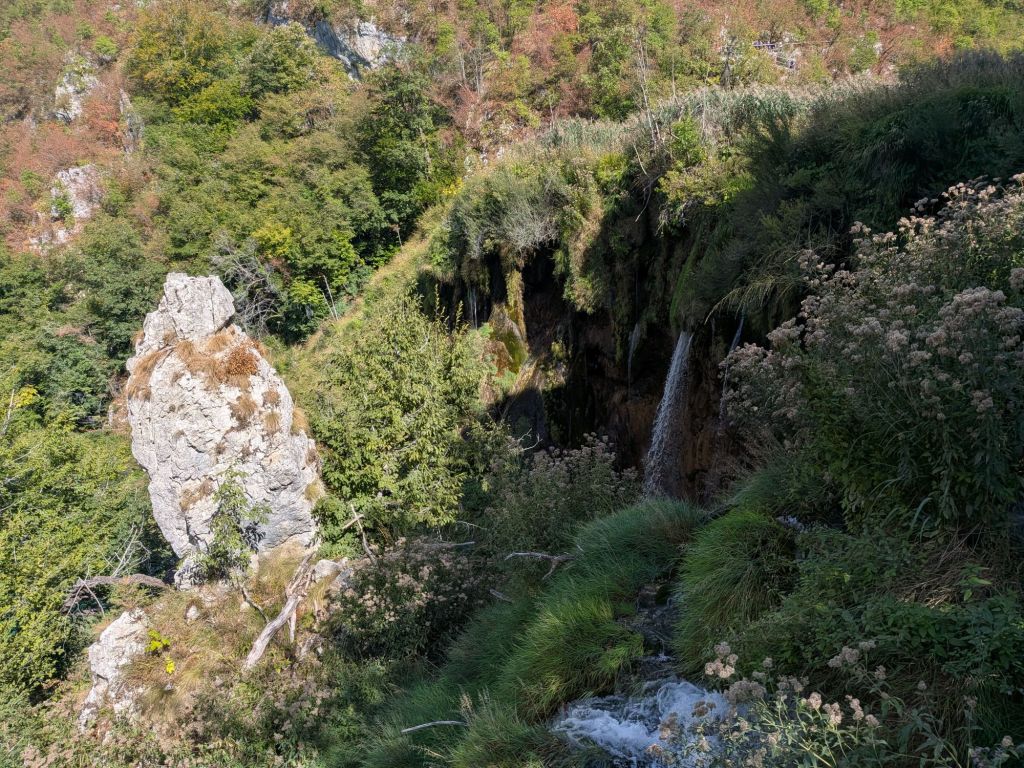
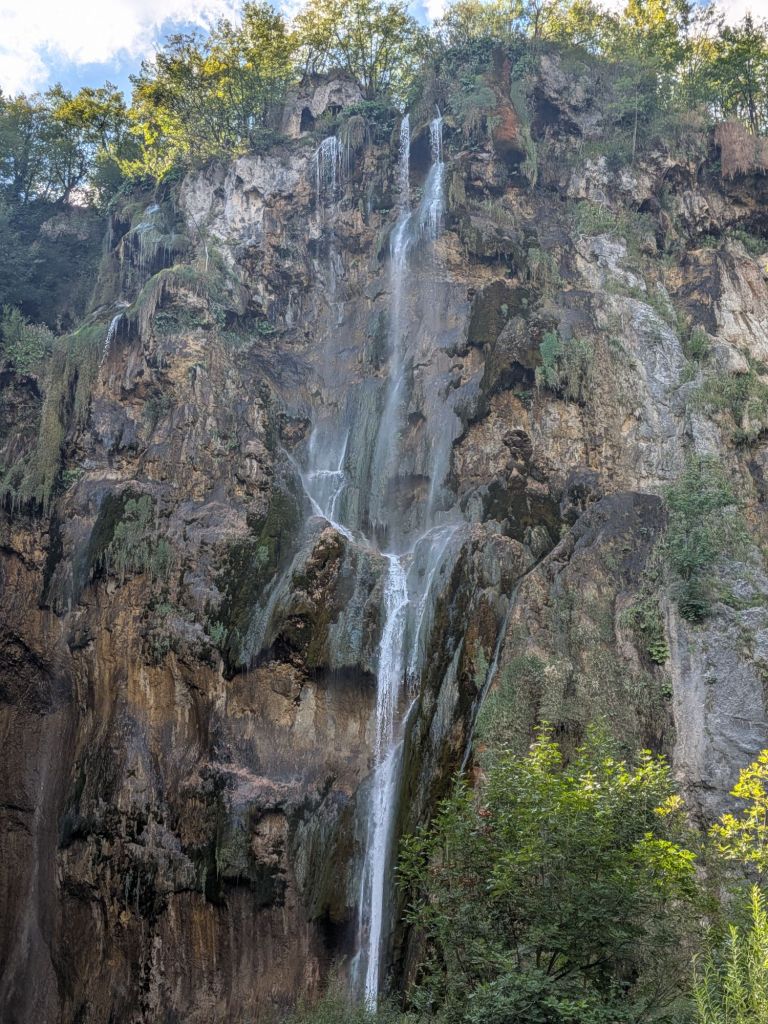
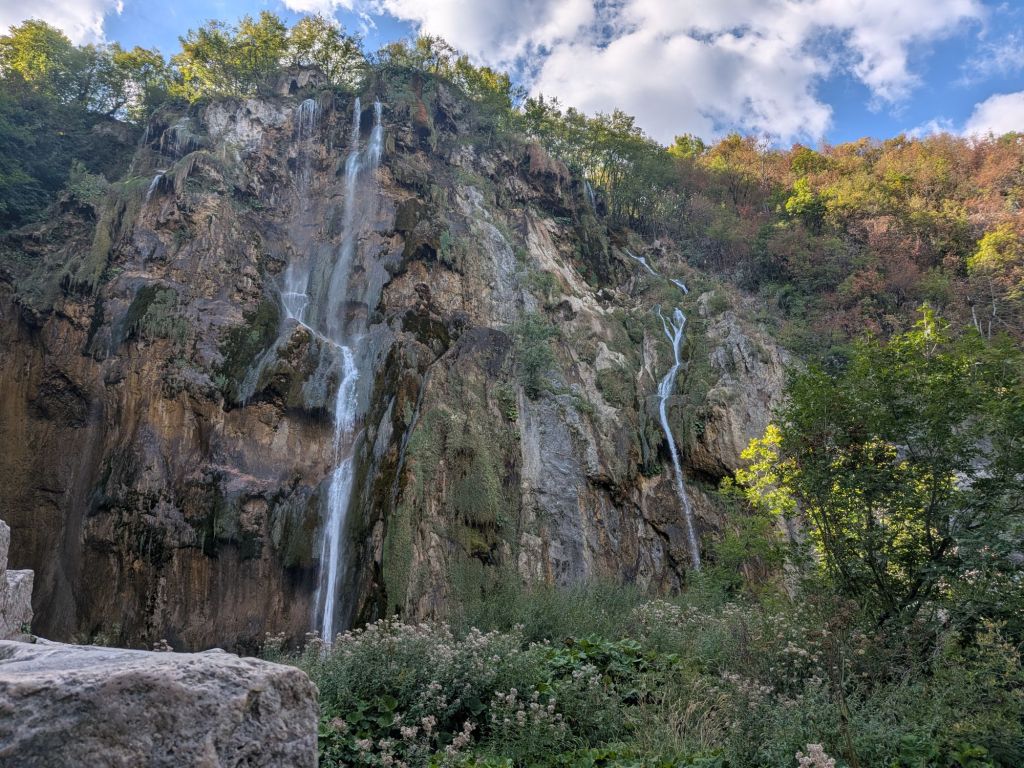
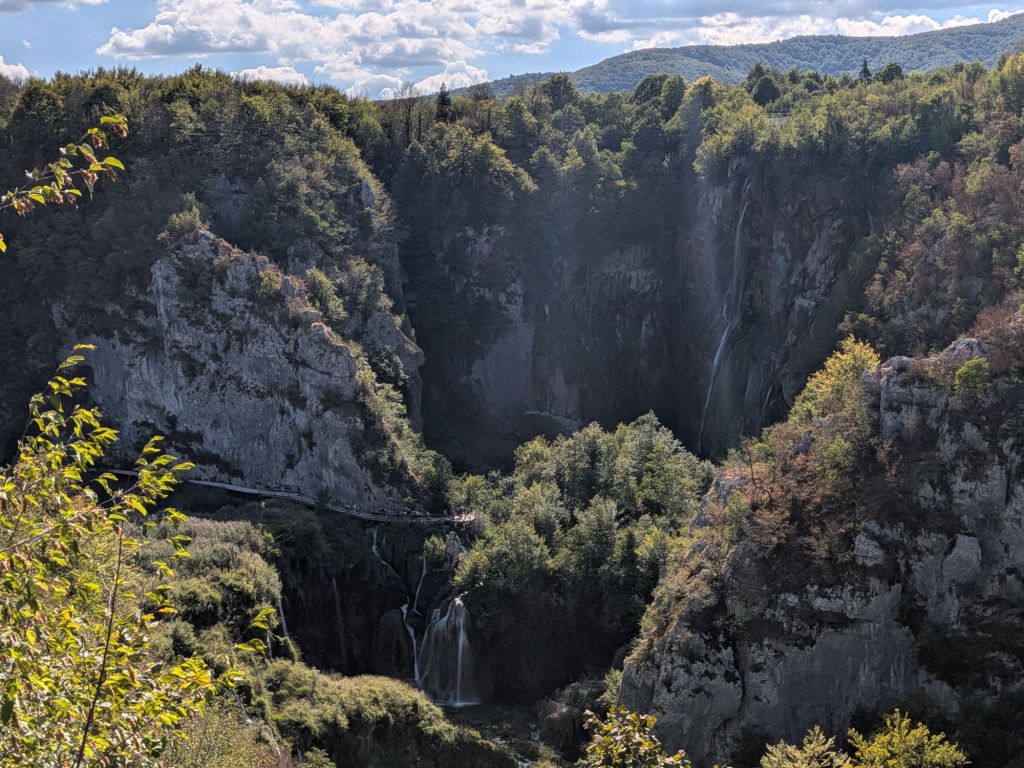
Plitvice national Park was established in 1949 and listed as a Unesco site in 1979. It is the oldest and largest national park in Croatia. The park and its waterfalls did not disappoint. A series of cascading lakes feeding water to the next lake through a multitude of waterfalls.

After Zagreb, we made our way to Split, 5 ish hours by bus that dropped us off near the old town. Our room was about a 10 minute walk away, mostly along the water. By this point we were used to the weight of our bags and transporting them in the summer heat. We set our bags in our room, and walked back into the old town to find some dinner.

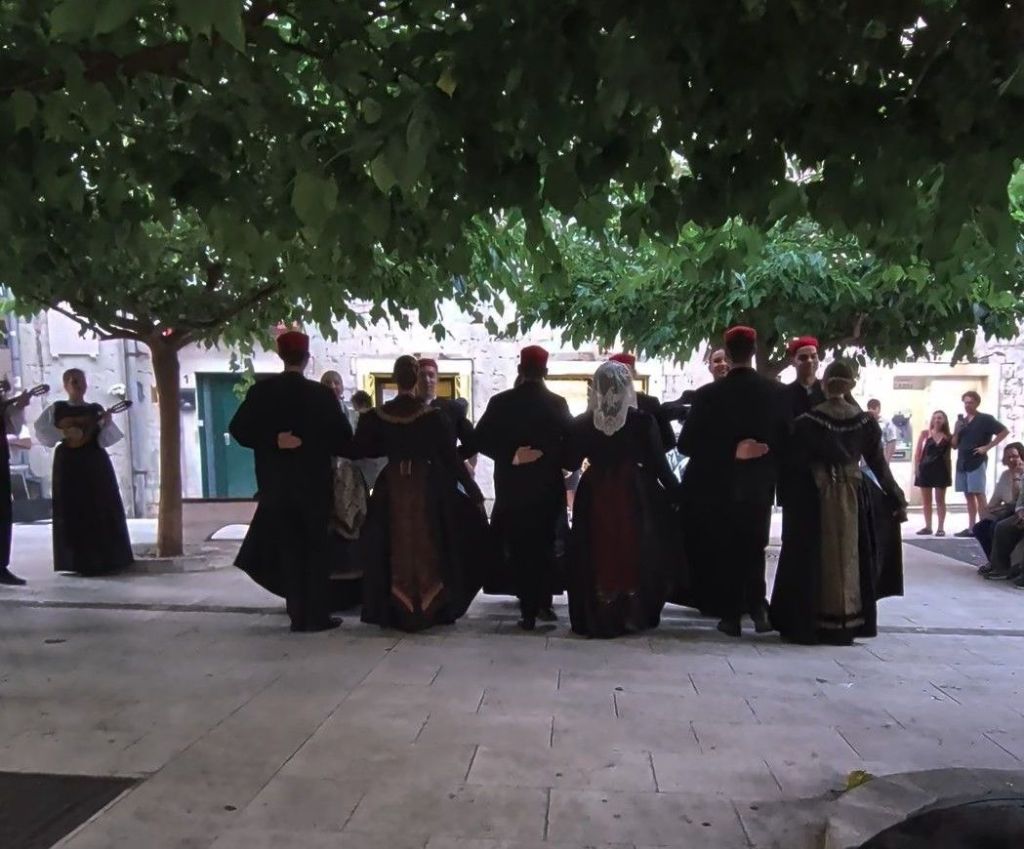
The prices in the old palace were pretty high and the restaurants were fancy, so we opted for something outside the walls that was quite nice, and while we ate, a group of youth dressed in traditional clothing paraded into the square played music and danced. It definitely added to the atmosphere, and made for an excellent meal.

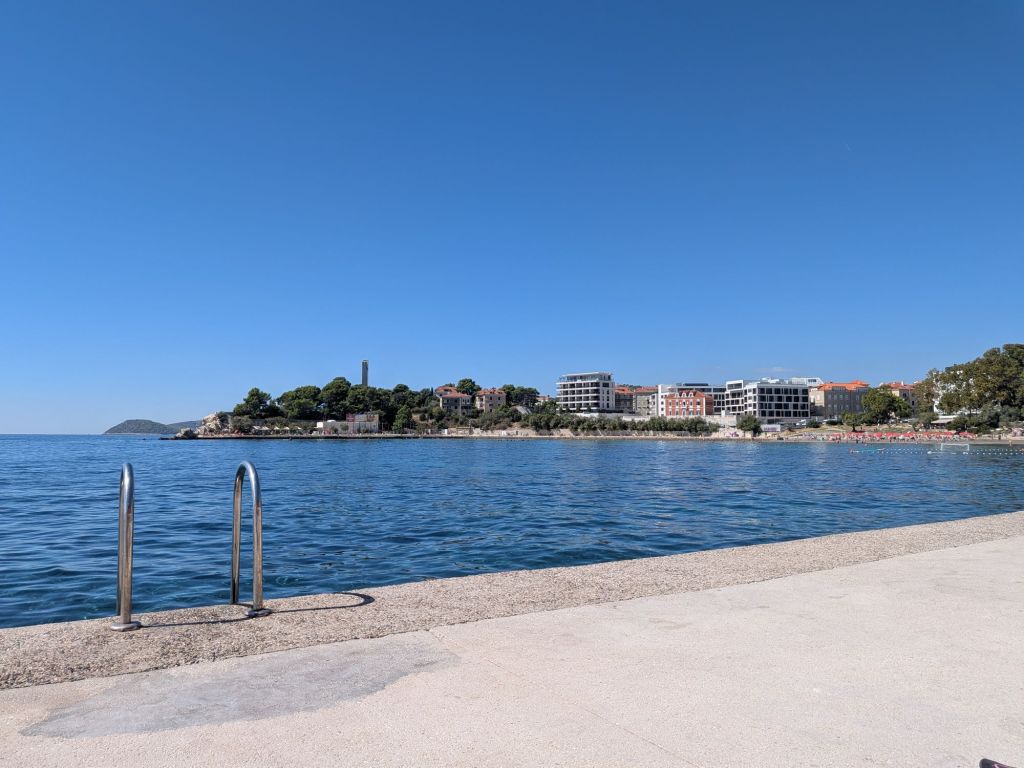
The next day was a beach day, we spent all day in or next to the water.

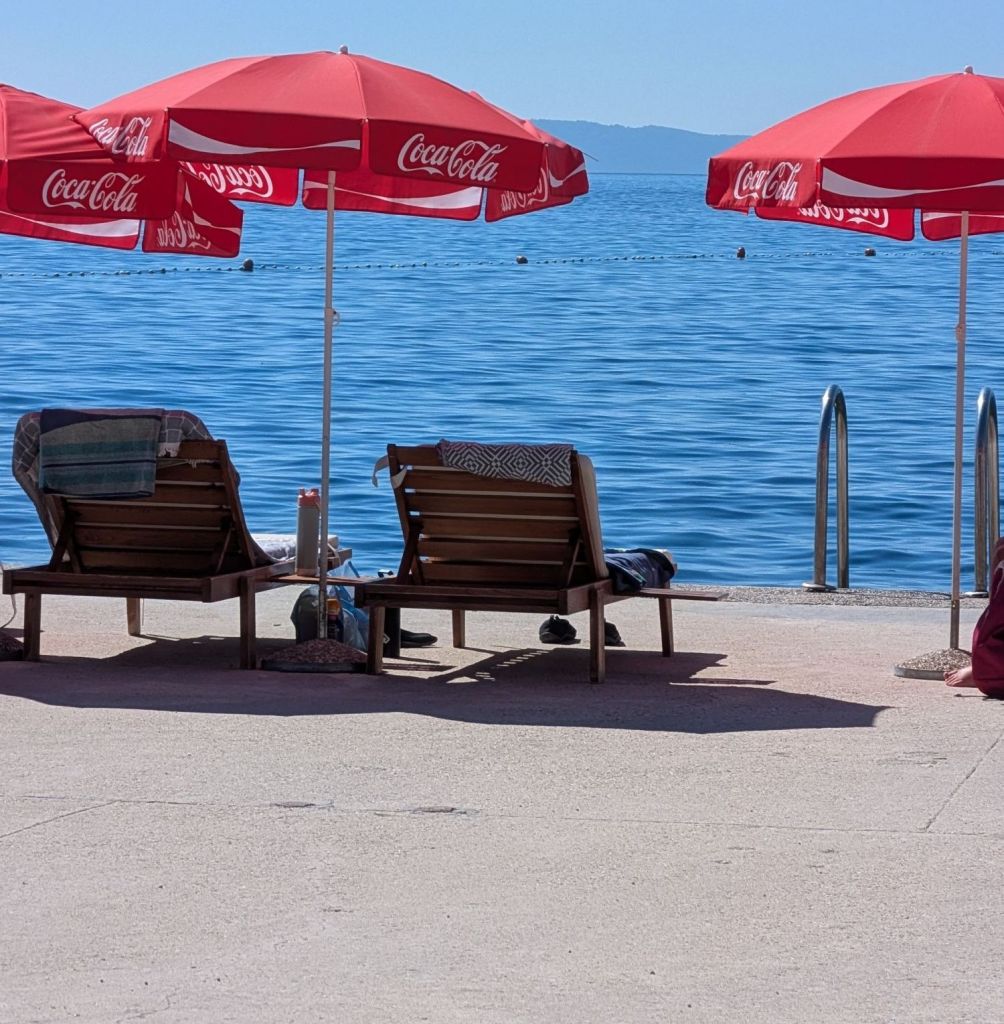
We opted to rent a couple of sun beds on the seawall, in front of us was the refreshing waves of the Adriatic, and behind us a snack bar where we could order drinks and food.

Our sun beds. (Photo Credit Carmen Moser)

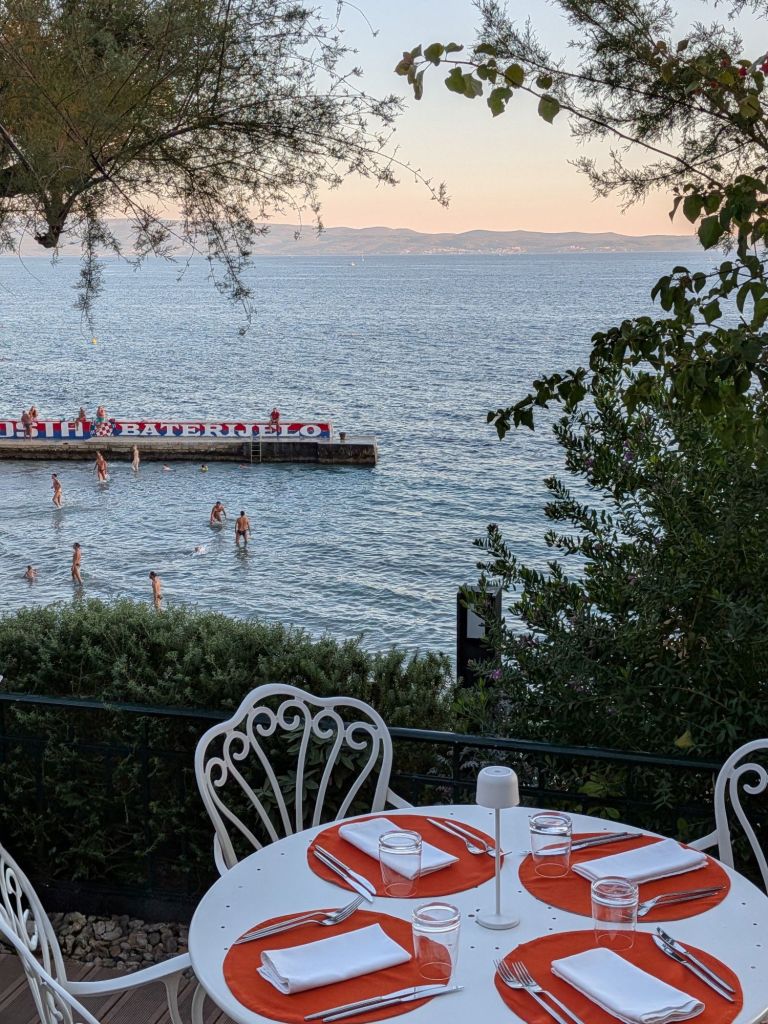
That evening we walked to the restaurant across the street from our room that had both delicious food and an amazing view. We watched locals swim and play in the water until well after dark, then wandered into the old town, hunting for gelato.

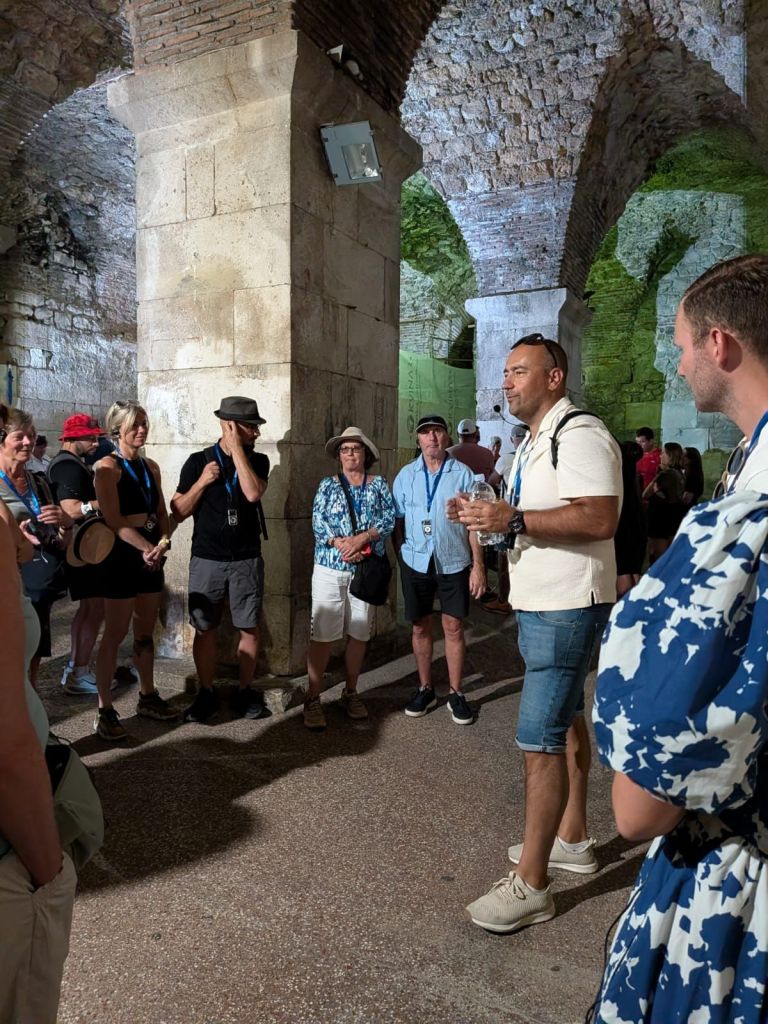
In the morning, we met up with a free walking tour that showed us many interesting facts about Dioclecian’s palace, the old Roman structure that makes up much of Split’s old town.

Here we are standing in the palace’s basement, which was once filled from floor to ceiling with human waste.

Split was great: sunny, relaxing beaches and a fun atmosphere. It did feel a bit manufactured in the sense that it felt like no one really lives there, and the ancient palace itself was rebuilt for tourist dollars. Our tour guide told us that roughly 80% of the workers there are seasonal and leave as soon as the summer season is over. 

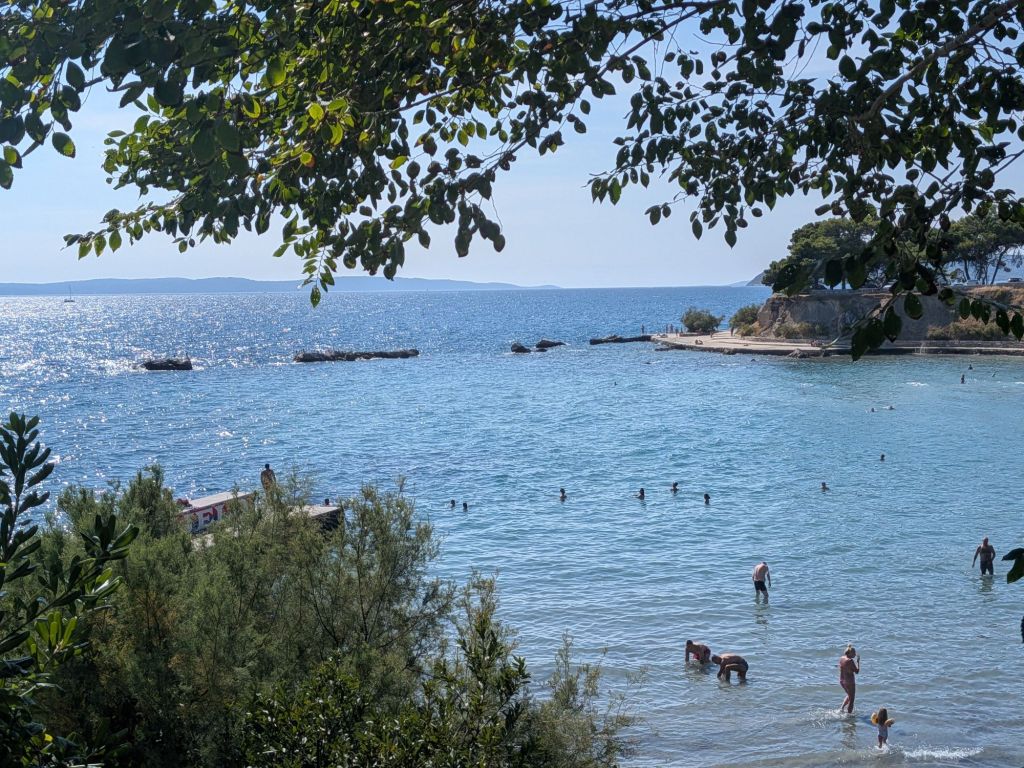
After the tour we had a fantastic lunch, and made our way to the beach again. We had a couple of quick swims and then went to a local bar for a spritz and a beer. This was our view:

A beach full of locals.

The next day we had a ferry to catch so after the drink, we had a quiet dinner and an early night. I’ll end the post here and continue later with our next two Croation stops, the islands of Brac and Hvar.

Croatia Part 3. Dubrovnik

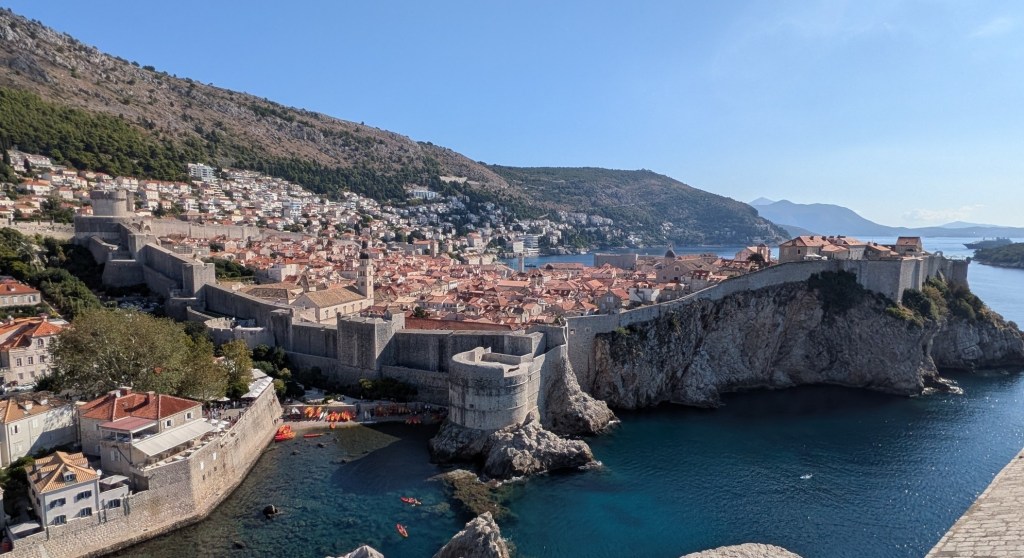
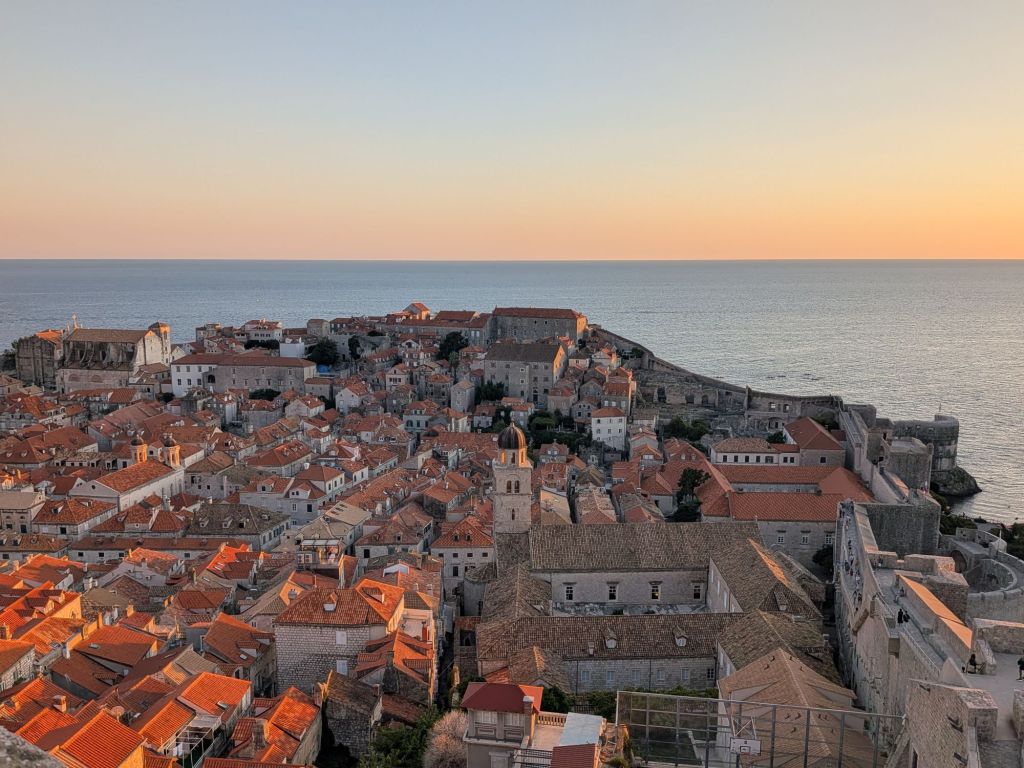
Dubrovnik’s old town

The ferry from Hvar was packed. The ticket stated to get to the port 15 minutes early, and by the time we arrived, there was already a dense line of travelers snaking its way along the waterfront. There was no reason to worry as we made it on the boat, we just couldn’t sit together. The ride was about 3 hours long with a few swells, but overall a smooth sailing.

We got to the old town at around 3:00 and we quickly navigated through the gates and the crowds to the street where our apartment was.

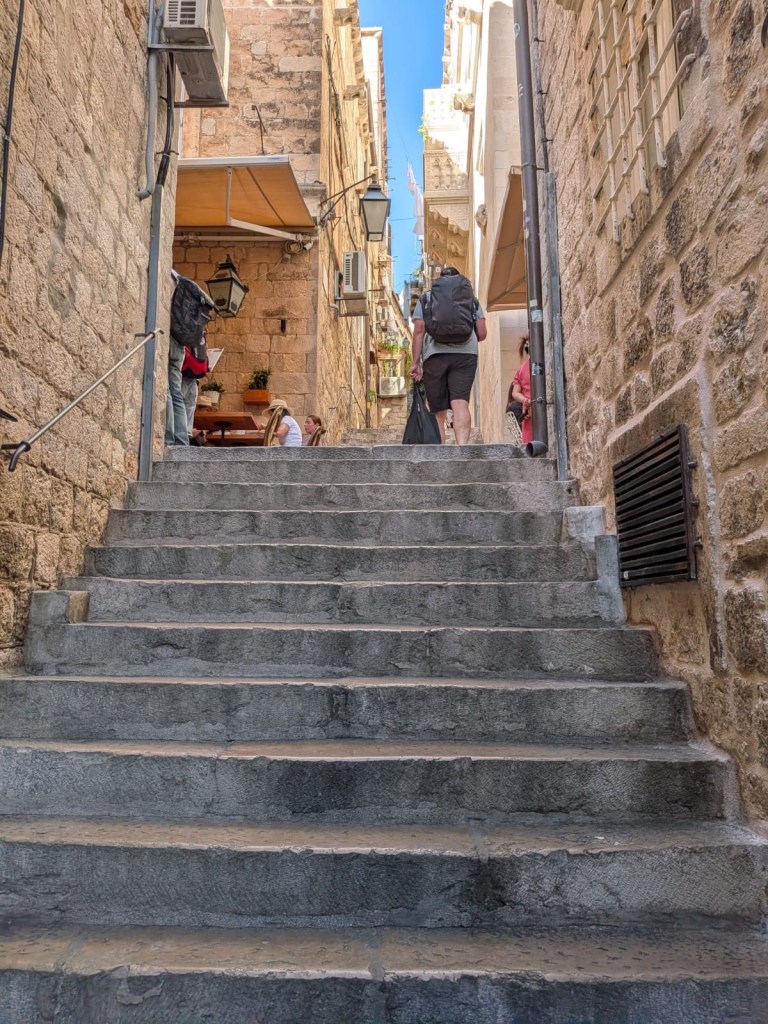
Steps up to our rental

We walked up the steps, all 98 of them, to #18, and walked up another 30 stairs to our room. We were here for a week, the steps were something we’d have to get used to.

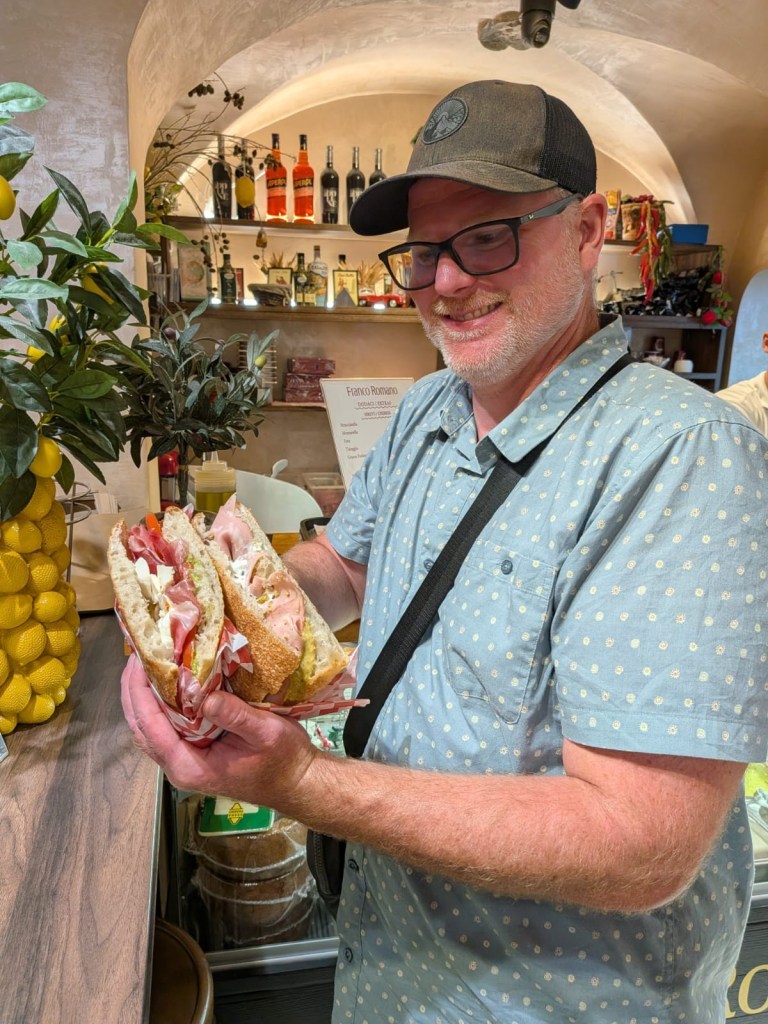
We dropped our things and wandered the town, and it didn’t take long before we spotted a couple of people holding what looked like delicious focaccia sandwiches, we turned down the street they came up and found the place where they bought them shortly after.

Mmmmmmmm, focaccia

The streets were thick with people, large tour groups clumped together trying in vain to not take up too much space. Bars, restaurants and gelato shops were everywhere, and every single one seemed to have a Dubrovnik markup on their menus. This place was expensive. To battle that, we ate most of our dinners in our small, sloped ceiling attic apartment. Lunch was usually a dense cheese and spinach pastry or sandwich from the bakery chain Mlinar, which we highly recommend for good budget eats, and they’re everywhere in Croatia.

On our second day we did the obligatory free walking tour and learned about the history of the old town of Dubrovnik. Originally two settlements with a small bay in between, over time the two settlements joined, and filled in the bay, built the walls and created what sits there now. According to our guide, the city grew to become a centre of finance, diplomacy and espionage. To this day there is no major industry in Dubrovnik other than tourism.

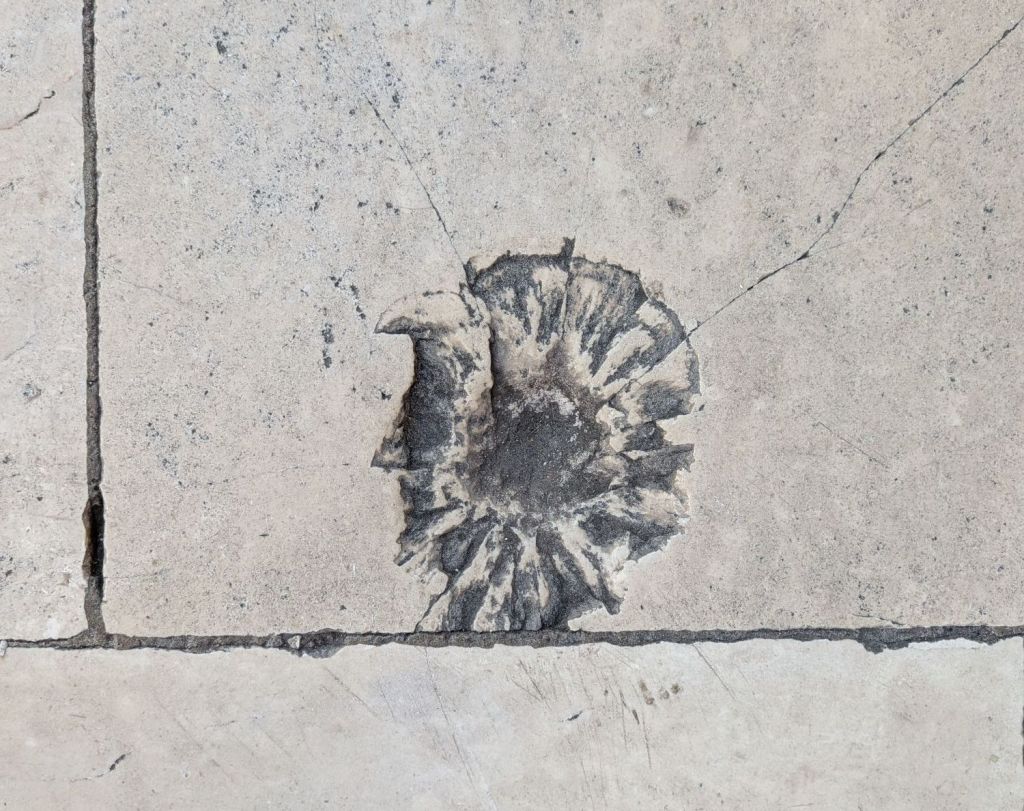
Of course we can fast forward to the 90s where the old town was subject to a 7 month siege where over 4000 shells and mortars pummeled the city, the evidence of which still lingers on the streets and walls. 

Roughly a 4″ impact crater. Holes like this scar the streets of the old town like pock marks.

 The siege was supposed to last only a couple of days, a calculation that did not account for the defiance and resilience of the people of Dubrovnik. Many of the old buildings suffered fire and structural damage, but they mostly stayed intact. The demographics of the city would be forever changed however, with many refugees never returning. Our tour guide lived in the old town when he was a kid, and was forced to flee to a refugee camp in Italy. Before the aggression, the city held a population of roughly 5000 people, it is now only 700 to 800. That decline isn’t entirely a direct result of the siege, tourism played a part. 

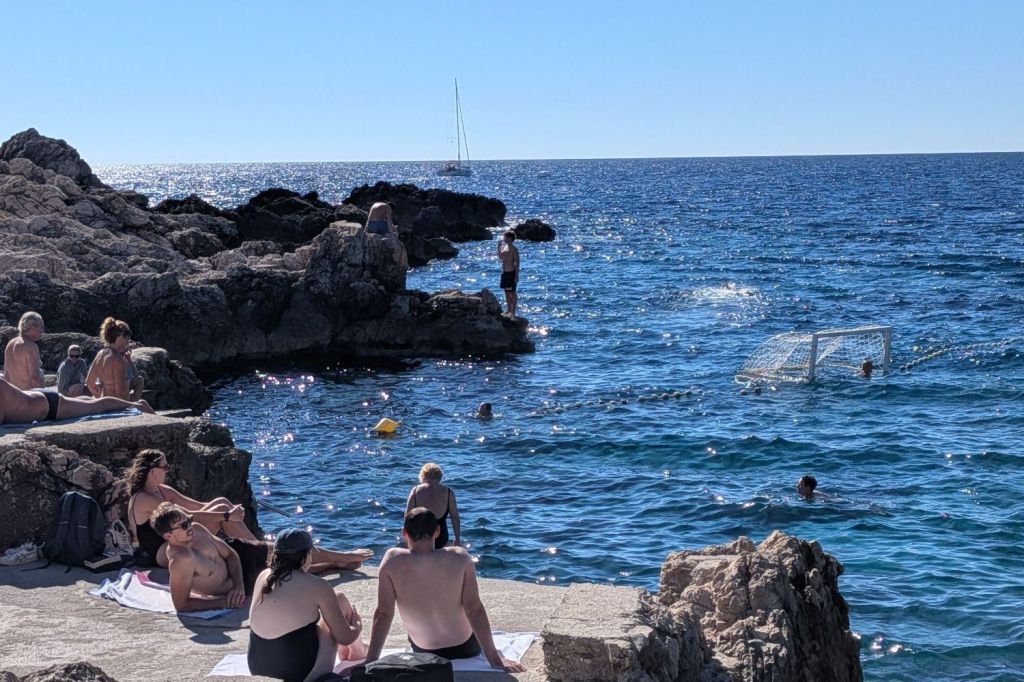
After our tour, we went back to our room and lathered up with sunscreen and walked to the nearby Dance beach.

Dance Beach

Dance Beach had no sand or pebbles, just rocks and some strategically placed concrete for people to have a flat spot to lie on. It also had a bar that looked like the inside of a boat shed, but they had cold beer, and I’m pretty sure a separate price for locals.

We spent our days between beaches, gelato stops, taking the bus into town and trying our best not to spend too much money. A difficult undertaking where we were.

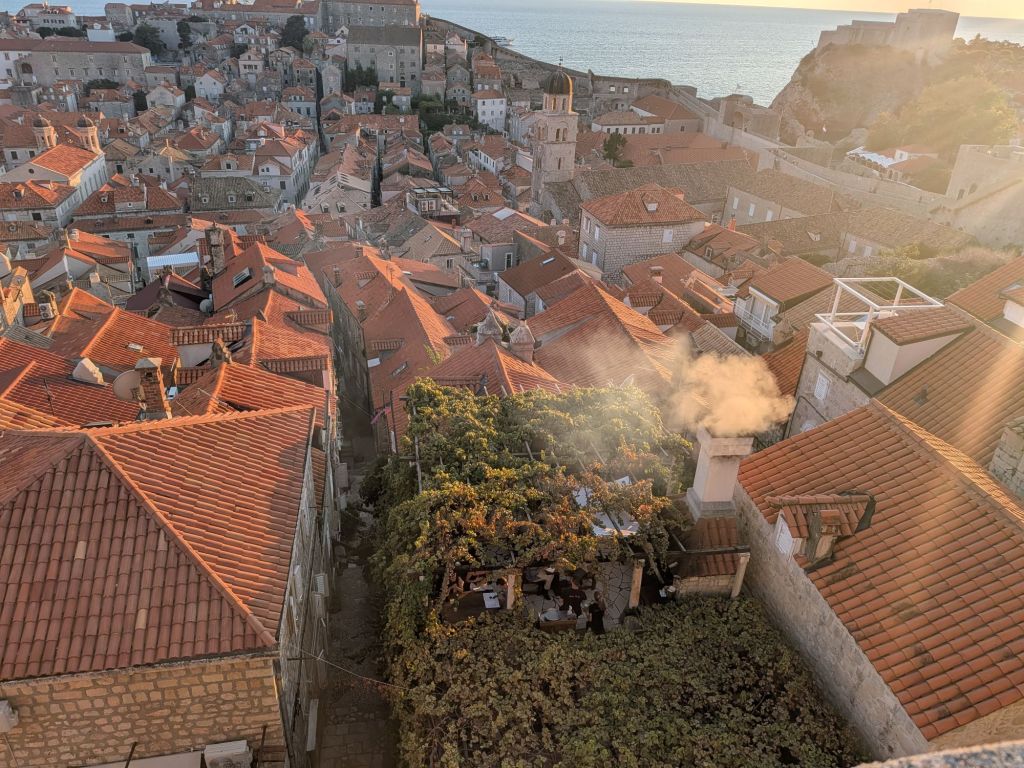
We did buy the Dubrovnik city pass which gave you access to a number of attractions, and unlimited bus rides on no less than nine different lines. One of the main attractions was walking the city walls, which we did, and enjoyed.

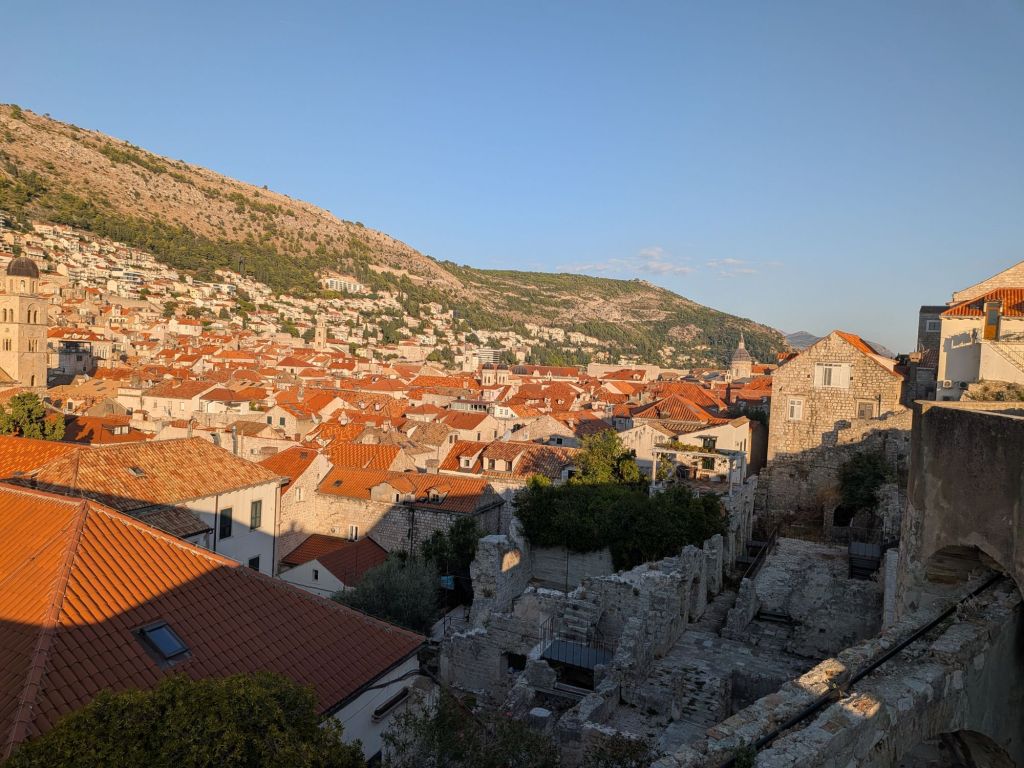
Looking down from the walls to Lady Pi-Pi restaurant, and our street where our apartment was just a few doors down

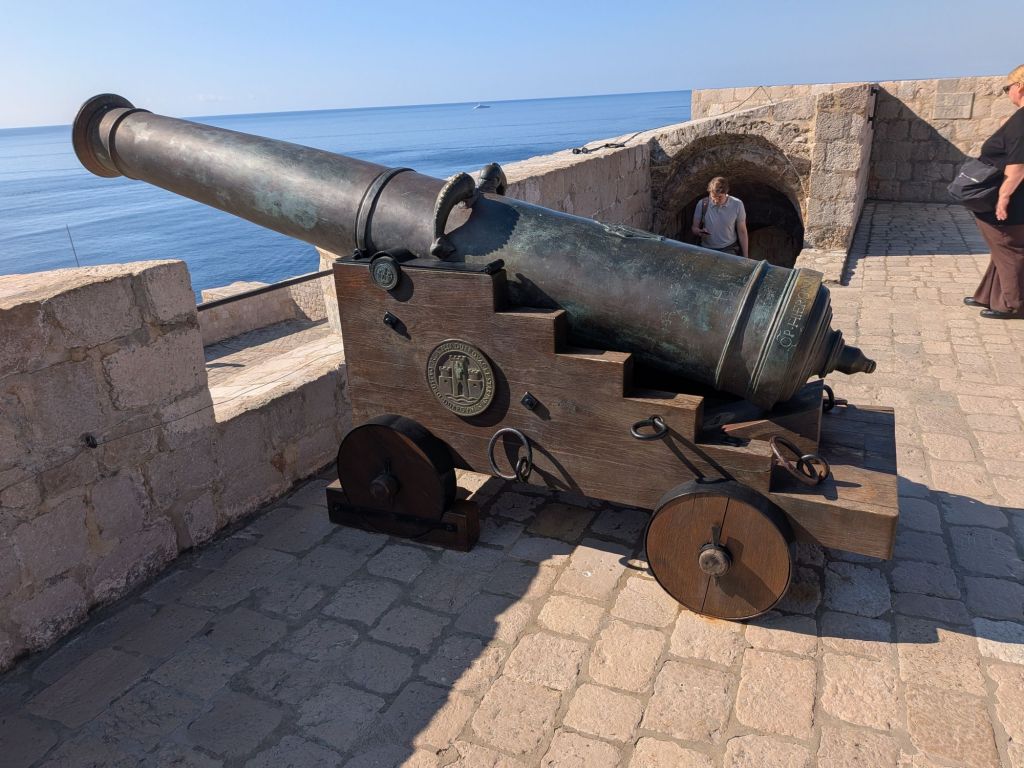
On the day we departed Dubrovnik, we didn’t have to catch a bus until 4:00pm so we basically had the morning and part of the afternoon to occupy, so we went to Lovrjenac Fortress, entrance covered by the Dubrovnik pass,  apparently built over the course of 300 years. It has a great view of the old town and like many places in Dubrovnik, was heavily featured in Game of Thrones.

A large cannon atop Lovrjenac Fortress

In whole, the old town felt like a massive hotel complex. Every pedestrian a patron or employee. A sort of reanimated corpse, given a second life, but possessed no real soul.

Though we are glad we went, we probably won’t go back.

On to a six hour bus ride, and the city of Sarajevo.             

Croatia Part 2, Brac and Hvar.

The ferry from Split to Bol left at exactly 10:30am, right on schedule, and dropped us off at the Bol Main Port at just after 11:30. The tickets were €25 each and the ride was smooth and comfortable.

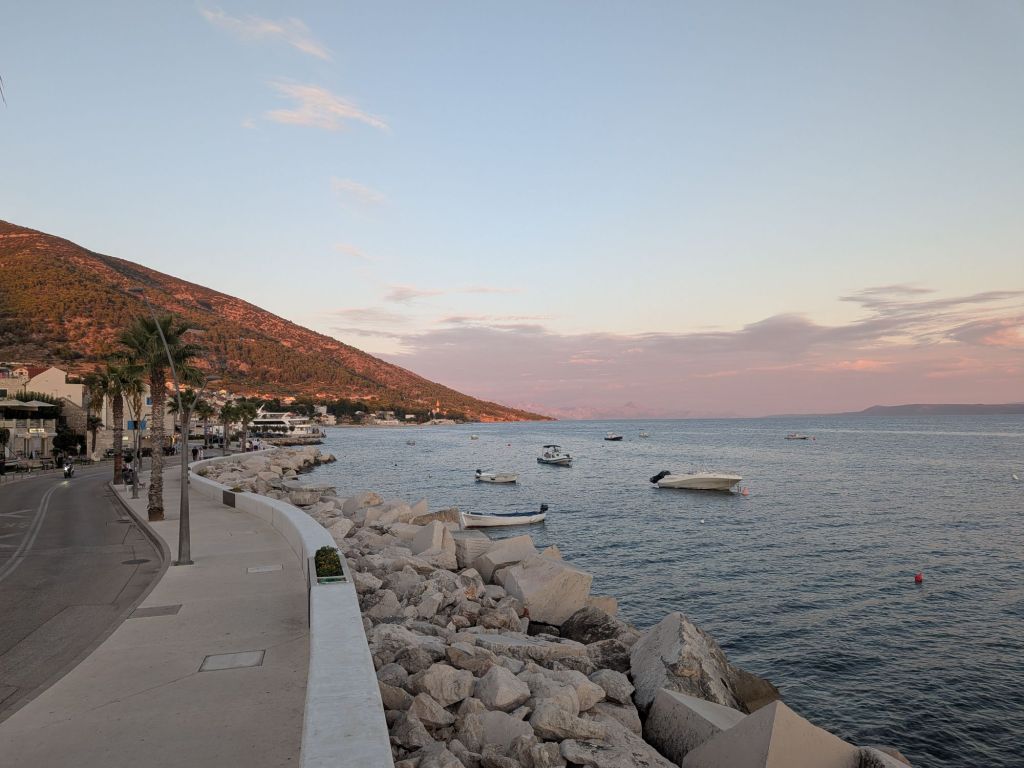
The sea wall along the waterfront of Bol

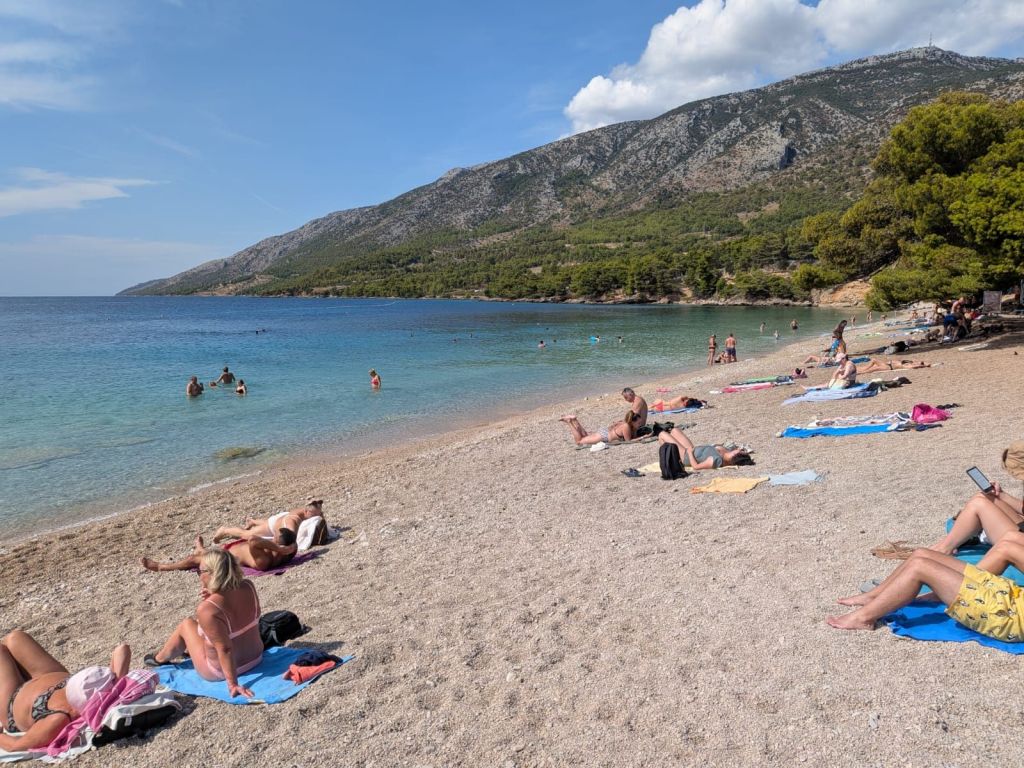
Our accommodation was a short walk up the only hill in the small seaside village, and it was absolutely perfect. It was up the street from a grocery store, and just a little bit further from everything else. Once we got ourselves settled, we went back into the village and grabbed a water taxi to a beach called Zlatni Rat, which translates to “Golden Horn”.

Zlatni Rat, and just to the right of the picture, a sizeable bar with a good sized Apreol Spritz for €8

We stayed at the beach for a couple hours and took the water taxi back to the marina. On our way back to the apartment we stopped at the grocery store for some supplies.

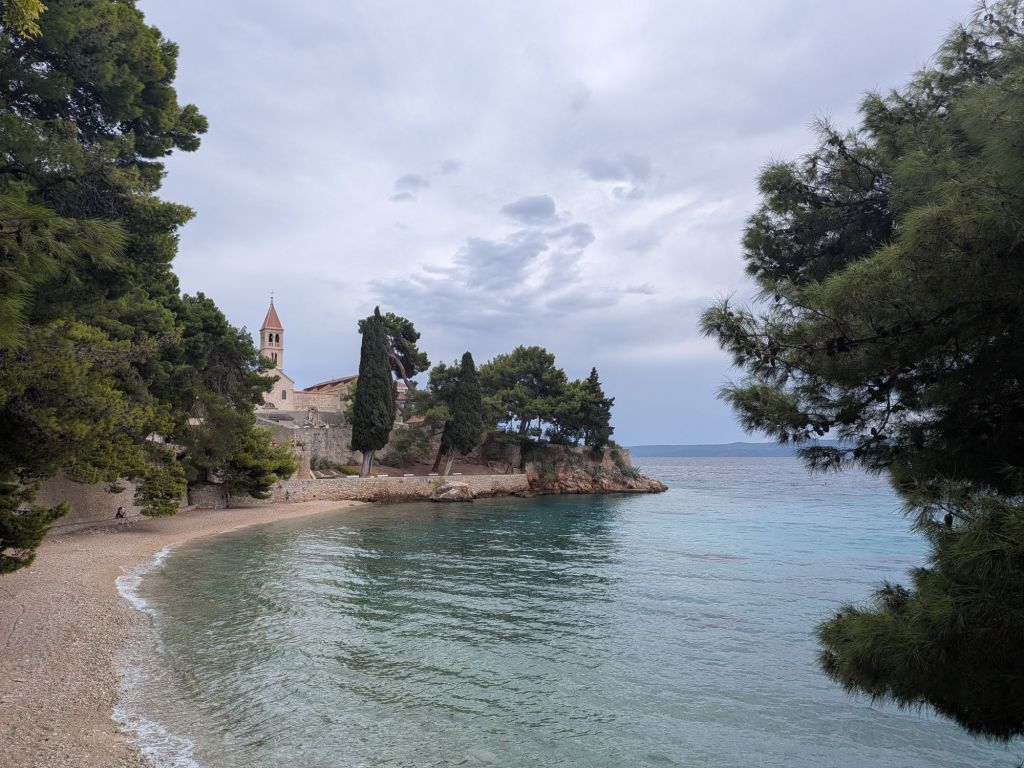
The next morning we woke up to the sound of thunder and rain, but it passed by around 11, so out we went. We walked along the sea wall in the opposite direction of Zlatni Rat, and came across another beach and a Monestery

The Dominican Monastery overlooking Koltina Beach.

Later, we walked toward Zlatni Rat, and the sea wall opened up to a wide promenade with rocky shores on one side, hotels and large homes on the other. The promenade led right to Zlatni Rat where we stayed until just before sunset.

We stayed three nights in Bol and our days were spent walking to one beach or another, making the odd stop for lunch or drink. It was a lovely place, and while it was quiet in town during the day, it became lively in the evenings with all the bars and restaurants along the water filling up.

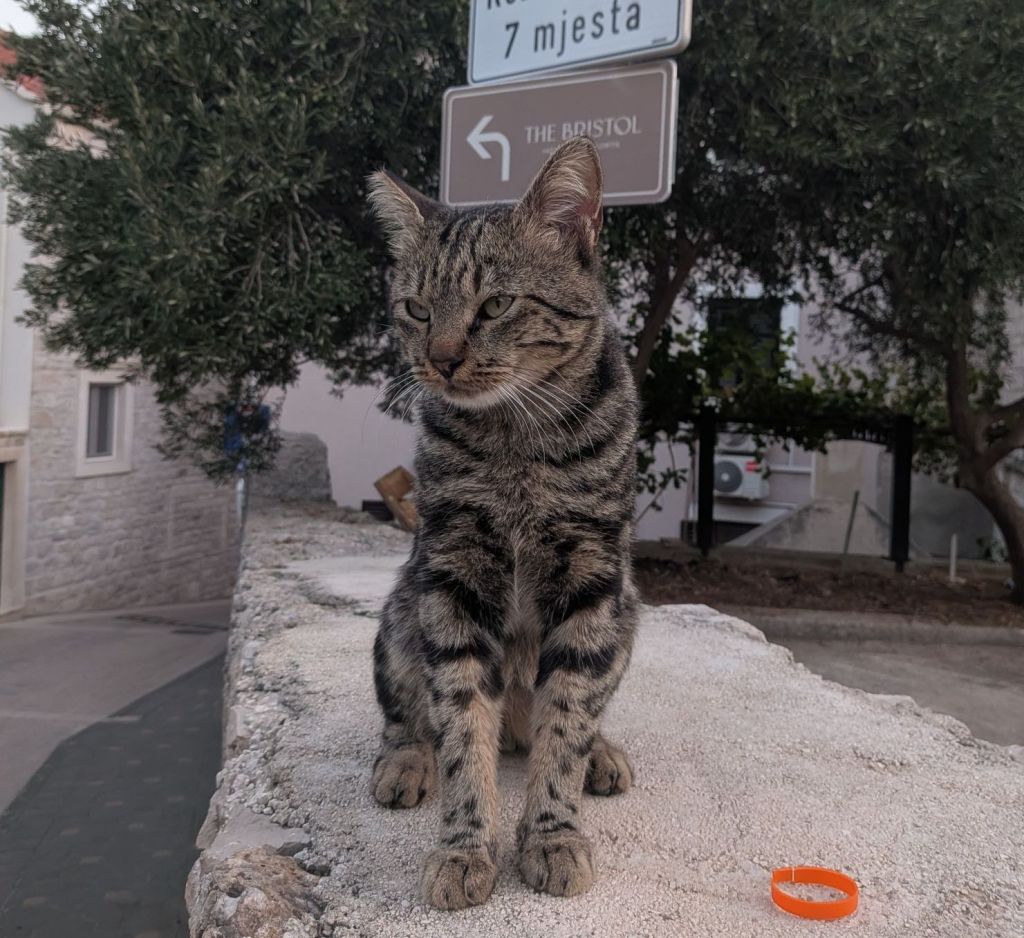
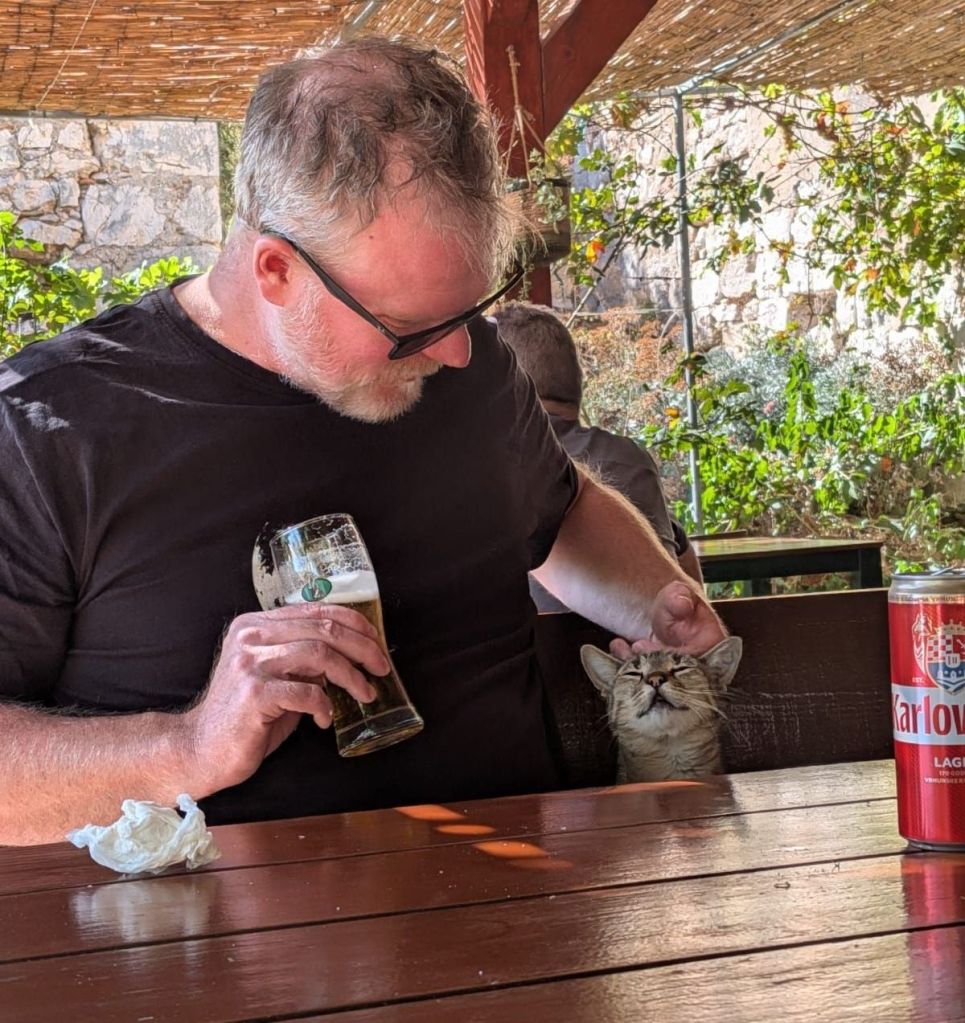
There were also a lot of cats.

This cat was sound asleep until I unzipped my bag to get my phone out. He jumped out of his slumber, full of purrs, probably expecting treats.

Our next stop would be Hvar Town on the Island of Hvar. We took the ferry from the same spot we arrived days before, and in 30 minutes we were across the water in the town of Jelsa. We got there with some time to kill before the bus took us to Hvar, so we got some lunch, and wandered Jelsa for a bit.

The bus ride was quick, about 40 minutes, and we were even able to get the bus driver to stop a bit early to let us off closer to our place instead of in town, avoiding a hike up a steep hill with our bags.

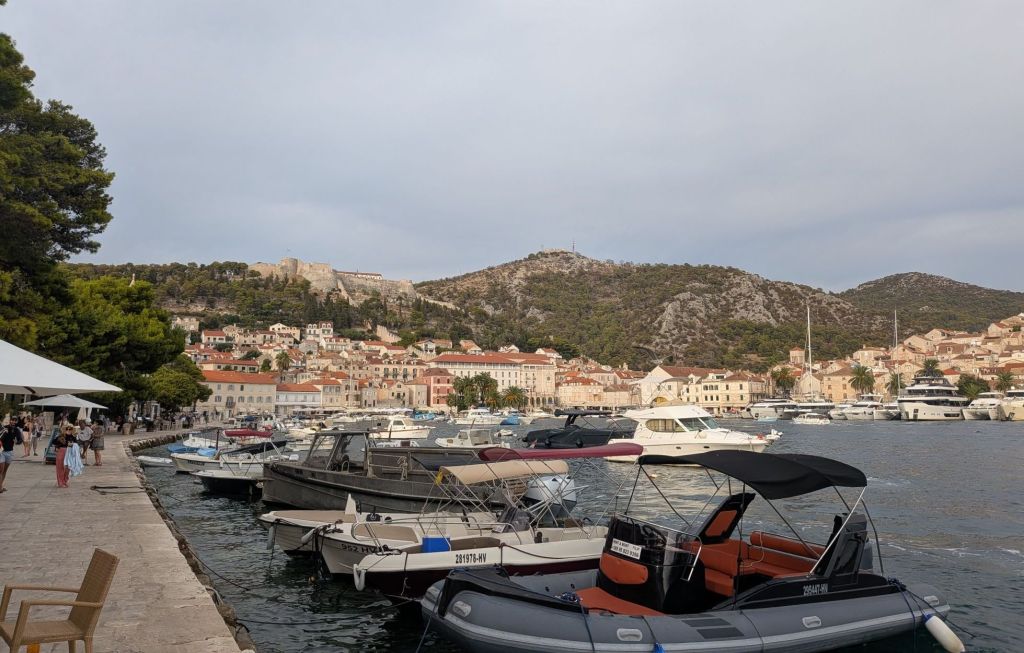
Hvar was busy with a lot of people, and more English speakers than we had encountered in recent weeks.

Hvar’s harbour, full of boats.

While wandering the town, we decided we would rent a car for a few days and explore the island, and we also decided that we would take one of the many offered sailing excursions.

The next morning we picked up our rental car, and drove to the tiny village of Milna and relaxed on the beach. After lunch, we drove to a local winery called Matijevic. We each ordered the five wine tasting, expecting a similar experience to home but once the first wine was poured, I realized that we just ordered five glasses of wine each. The wines were great, and the staff was super friendly and knowledgeable. I wound up getting Carmen to finish my last couple of tastings. We bought a two bottles and headed back.

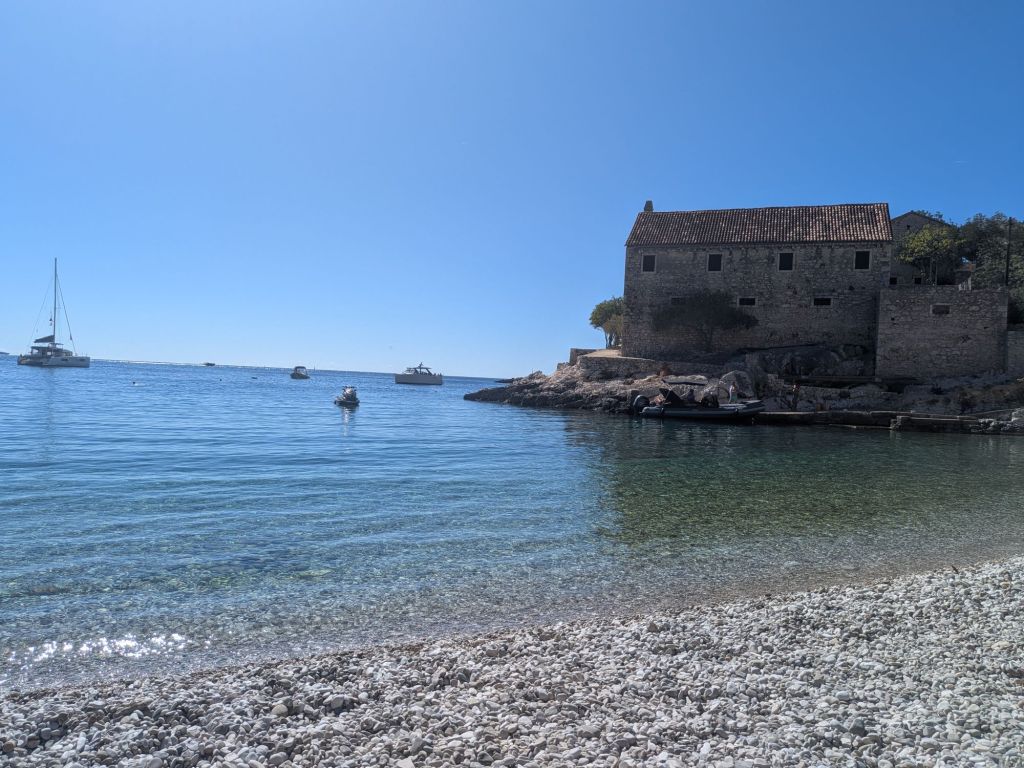
The next day we drove to Dubovica beach. We had to park on the side of the highway, then hike down the path to the beach below.

Dubovica beach. What you can’t see are the sea urchins, not a lot, but we also had water shoes.

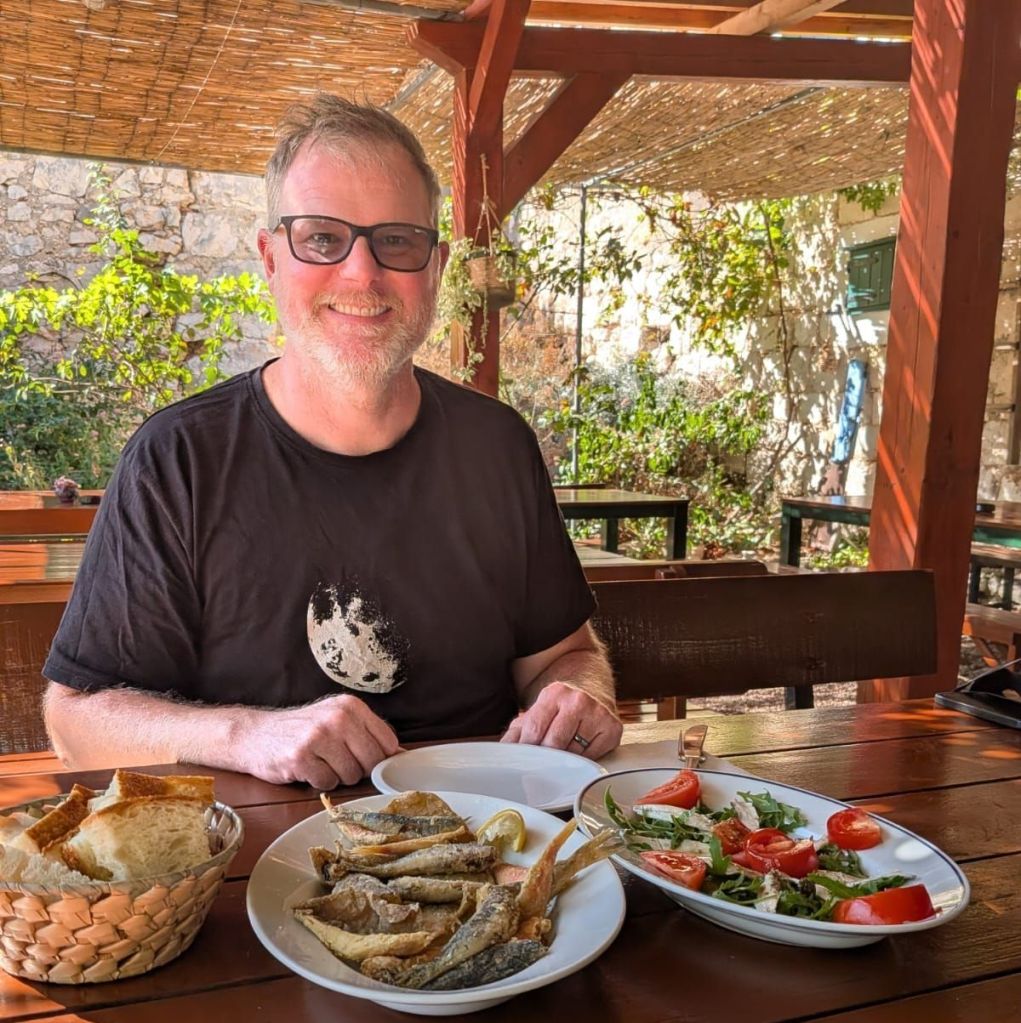
There was a small restaurant at Dubovica beach that had fried fish on the menu, cold beer, as well as a very reasonable Aperol Spritz.

Big plate, tiny fish.
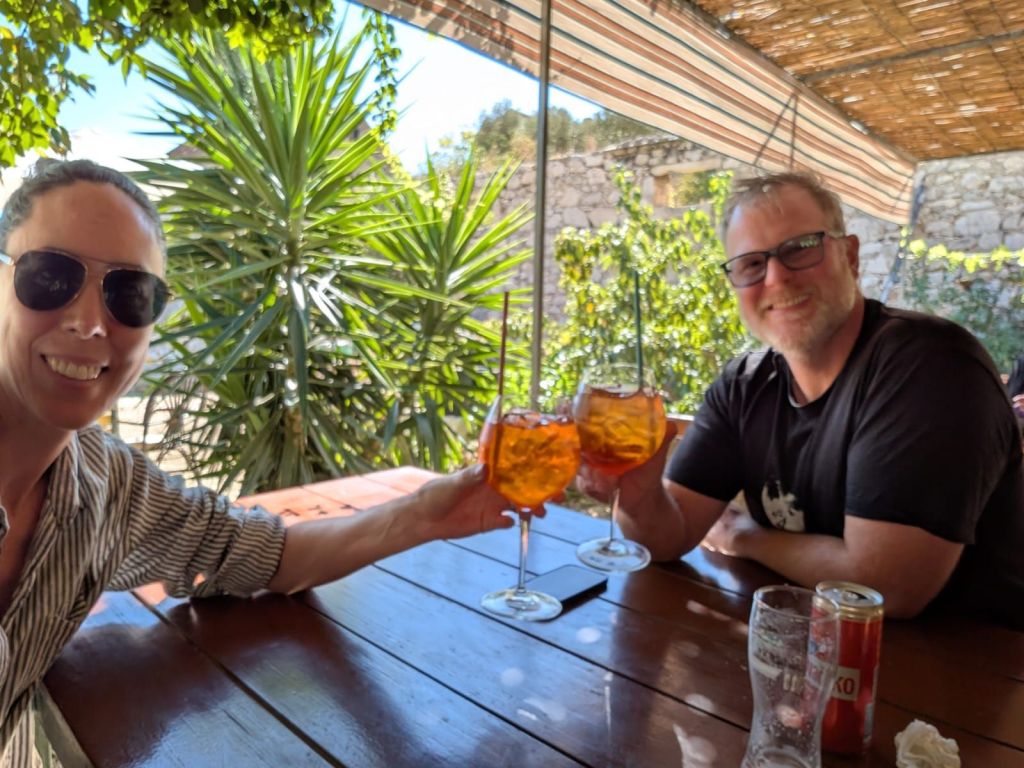
Cheers!
This little one sat beside me, but I already ate all the fish.

The rest of the days were much like that, driving to a beach, having lunch and then having a stroll through town before going to bed.

On one of the days we drove to the oldest town on Hvar called Stari Grad, weirdly, neither of us took any pictures. It had narrow streets, a long harbour as well as a small canal system that was home to many little fish.

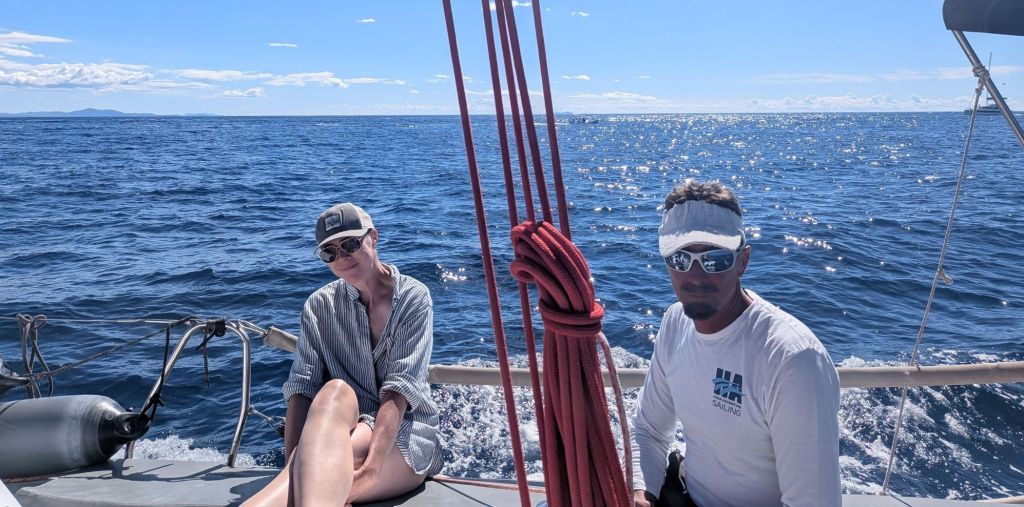
Our last full day on Hvar was spent mostly on a sail boat. We met our skipper in the harbour and he took us to the Pakleni Islands, made up of 16 islands and three rocks.

Carmen and our skipper (I don’t remember his name)

We spent several hours on the boat, with swim stops and a lunch stop. There was wine and snacks, and we had a lot of fun.

Both Bol and Hvar had their charms, however, without renting the car, I don’t know if I would have had as many nice things to say about Hvar. The speed of Bol was way slower, no cruise ships stopped there, the crowds were thin, and the prices were a little lower. Once we ventured away from Hvar town, things got better, less loud, less in your face.

Up next, Dubrovnik!

Aside: Medicine in Croatia

One of the challenges that we knew we’d have with our extended travel was doctors and prescriptions. Something that I had only googled, and by all accounts would be easy. So what I’m about to tell you just might blow your mind.

I take two pills every day, and I was starting to get low, so I decided to look into booking an appointment with a local physician to get the prescriptions written up. There are several websites and apps available and after settling one one I started the process. After entering a few details like name, age, location, purpose for the appointment and requested time, I received a confirmation via WhatsApp, letting me know that they notified their network. In about 30 minutes I had a video consultation booked for later that day, in about 3 hours. All I had to do was pay a fee of €60.

Just before my appointment I received a reminder that my appointment was in 2 minutes. It was my responsibility to call the doctor, not the other way around. Using the links provided I was put in a virtual waiting room and in a few minutes had a video conversation with an English speaking Croatian doctor. He issued my prescriptions and forwarded them to a pharmacy near me. He told me to wait until I received the prescriptions in my inbox before going to the pharmacy. The email came minutes later. I went into the pharmacy, and told them that a local doctor emailed a couple of prescriptions for me, and they brought them up quickly. However they needed some clarification from the doctor, whom they phoned right then, spoke to, and then we’re able to fill the prescription. After paying a little over €15 for two months worth of two different prescriptions, I was done. 

I feel like something like this would be impossible at home. The ease of the process, the quick access to the doctor, and the inexpensive price of the name brand drugs was shocking to us. While I’m grateful for the Canadian medical system, my experience here shows we have a lot of room for improvement.

For those who wish to know, the service I used was doctorsa.com, good for booking appointments across Europe.

Slovenia

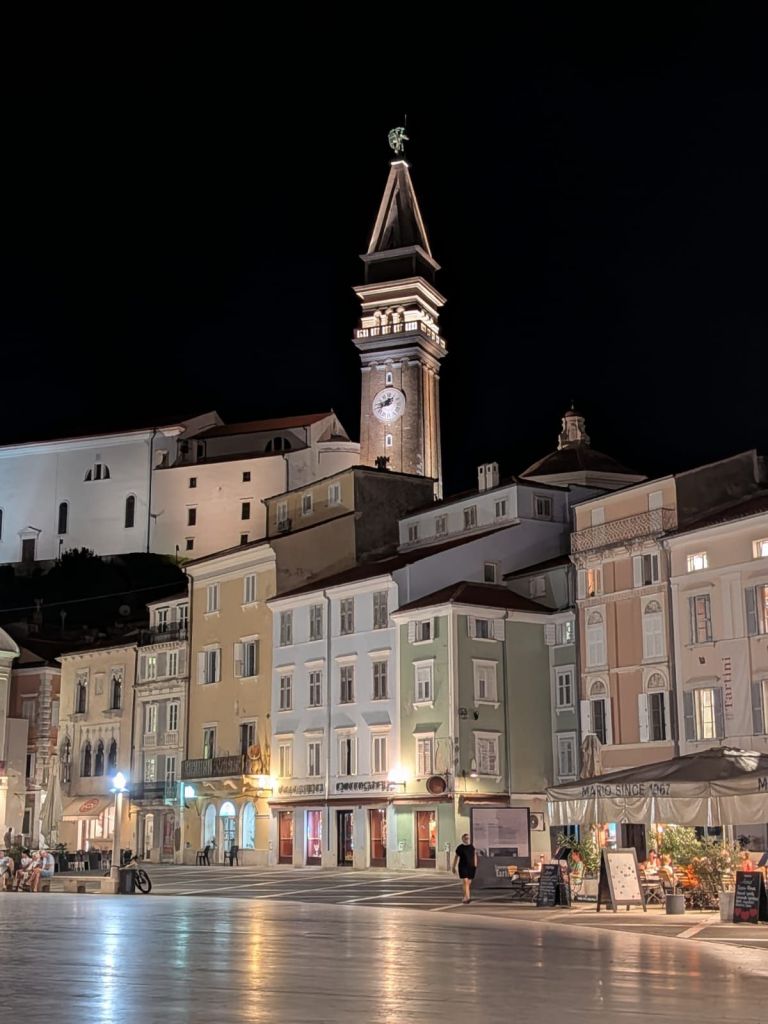
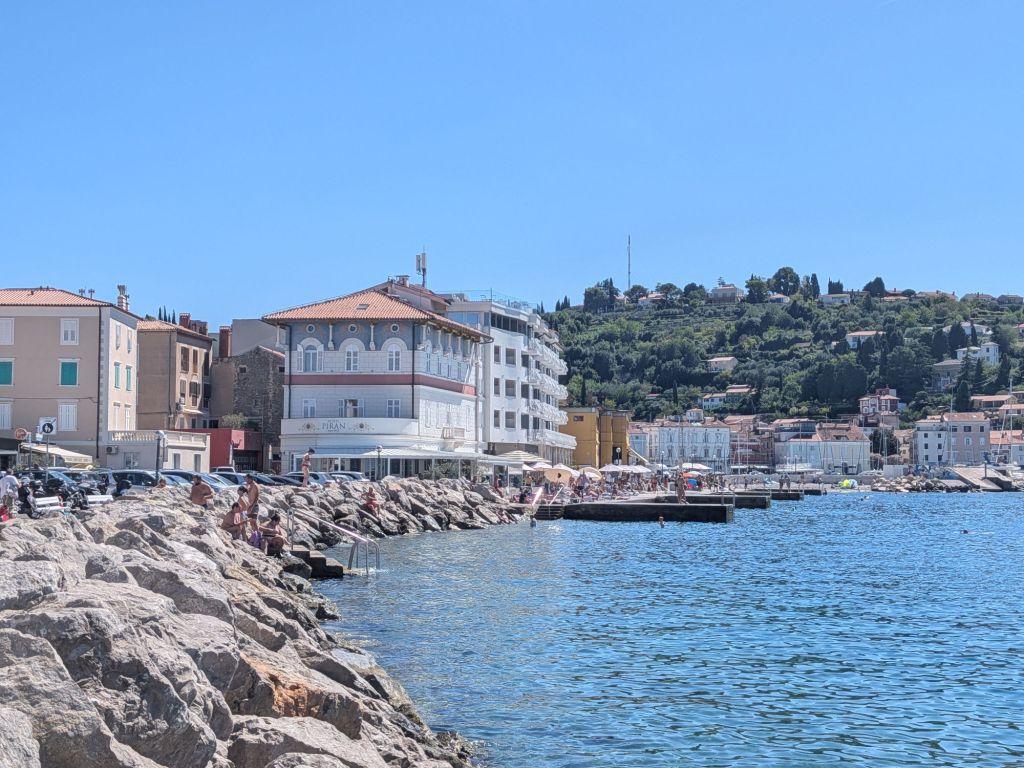
We arrived in Piran at around 8:00pm, dropped our stuff at our apartment and went to find a restaurant that Carmen had heard of , but the lineup was way too long so we headed for the main square to find a place to eat. The square was busy with pedestrians, rollerbladers, dogs, and a free concert.  We sat for a while after our meal, and watched and listened.

The next morning we wandered the town and found a small vegetable market where we bought some plums and strawberries, and then a grocery store where we bought some yogurt. We took that back to our place and ate breakfast.

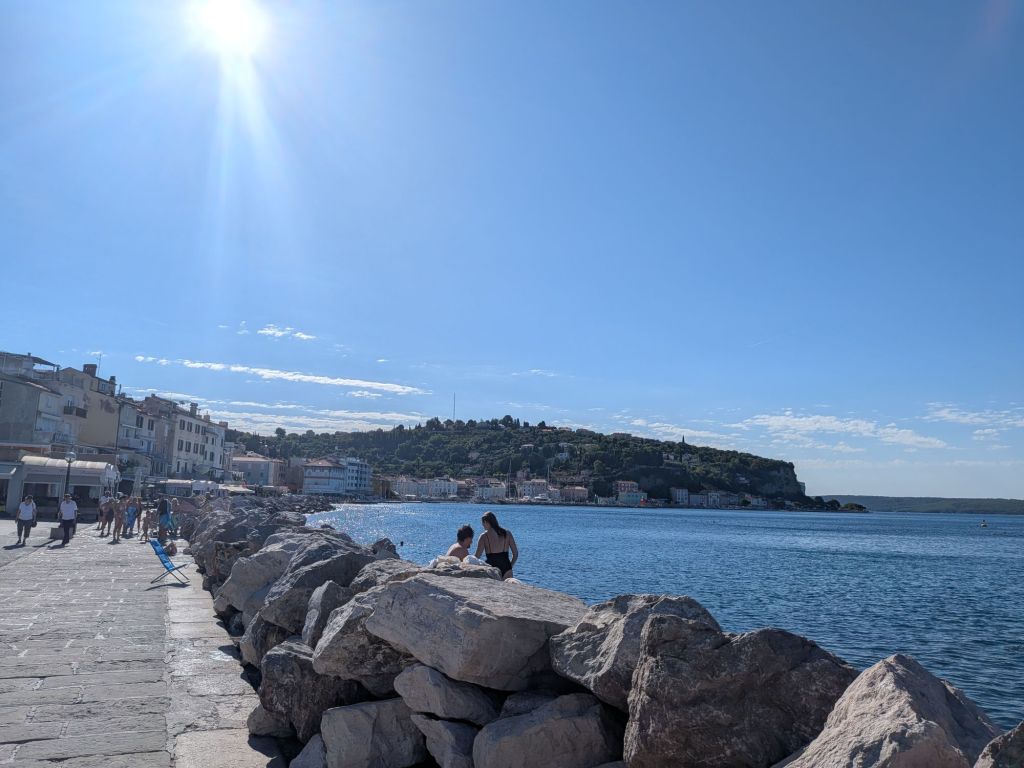
After breakfast we lathered up with sunscreen and went for a swim in the Adriatic.

The water was so clear, and there were lots of swimmers everywhere along the seawall.

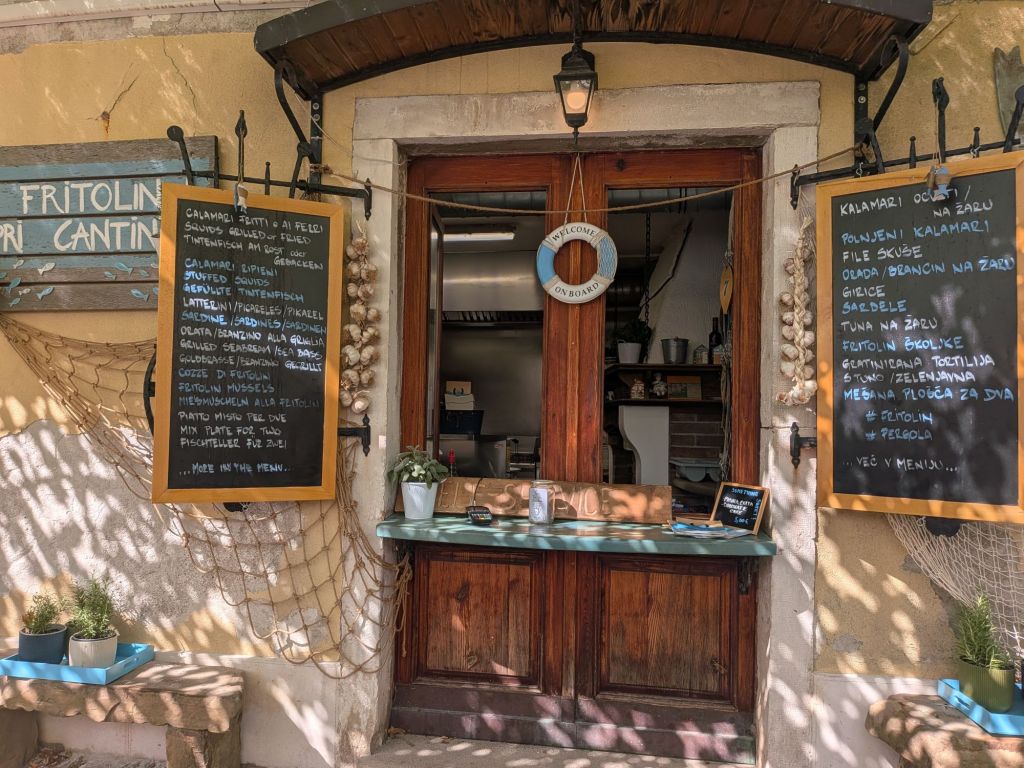
After the swim we decided to try the busy restaurant from the previous night for lunch, hoping to beat any crowds. And we did. We got there just as they opened, there were only a few people in front of us.

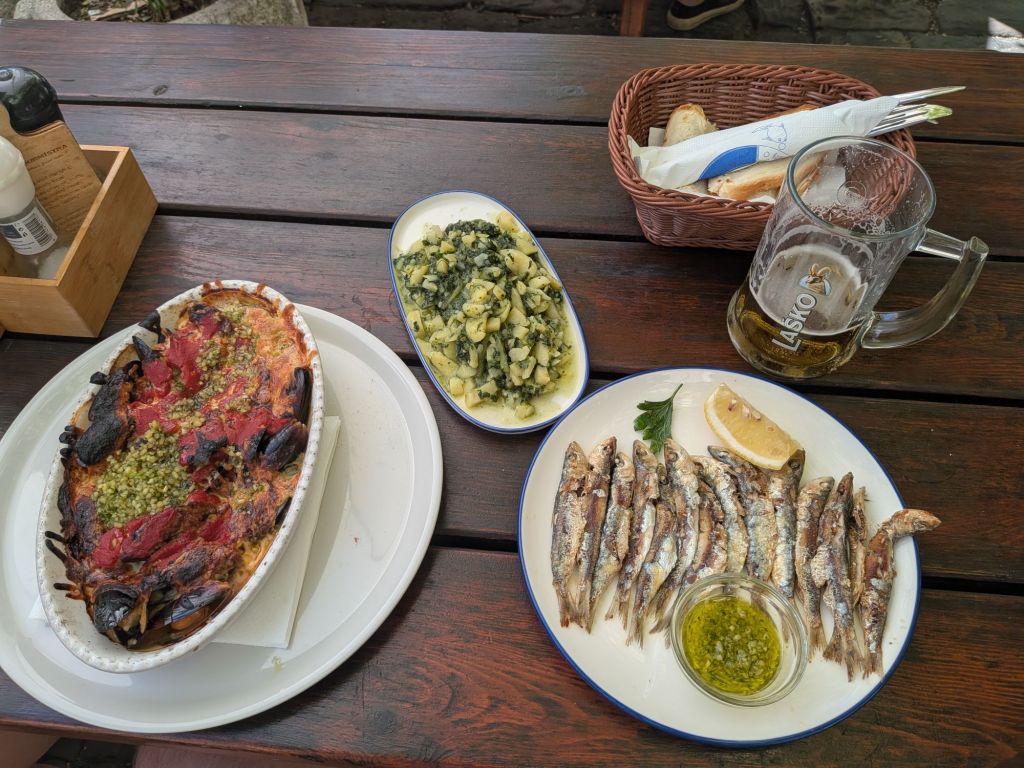
Baked mussels in tomatoes and cheese, fried anchovies with chopped garlic, and some much needed roughage, chard and potatoes. So good.

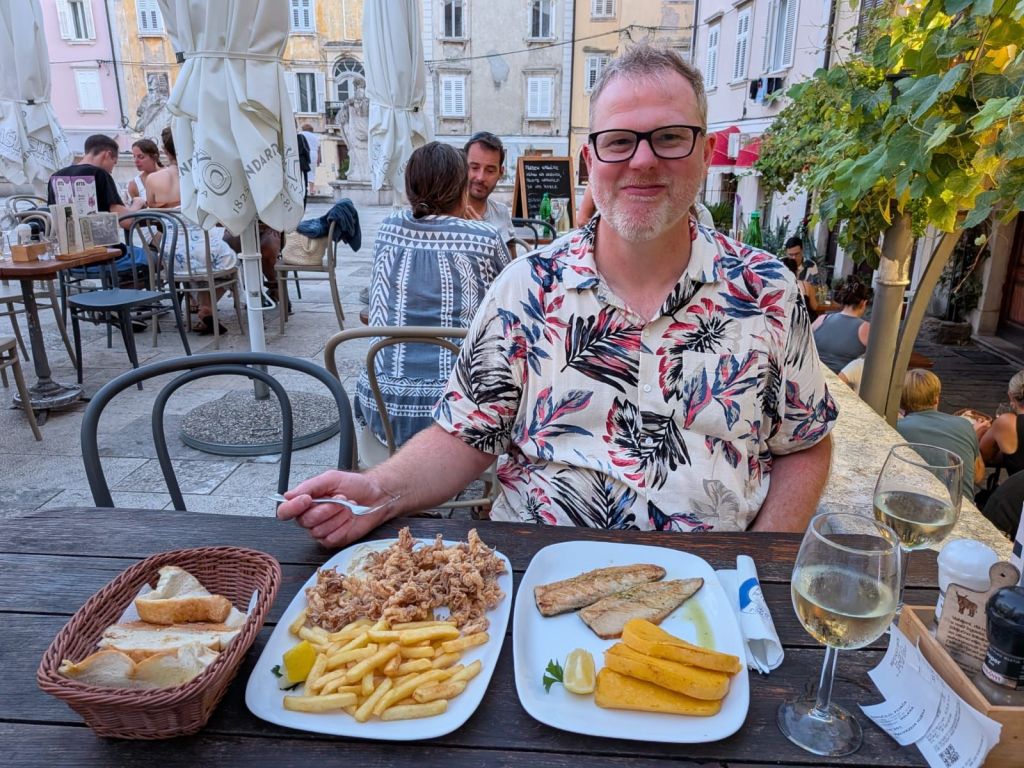
Piran is a tiny seaside town with no shortage of places to eat and drink, so that’s what we did. That and nap. For dinner we went to the same restaurant that we went to for lunch. Yes, it was that good.

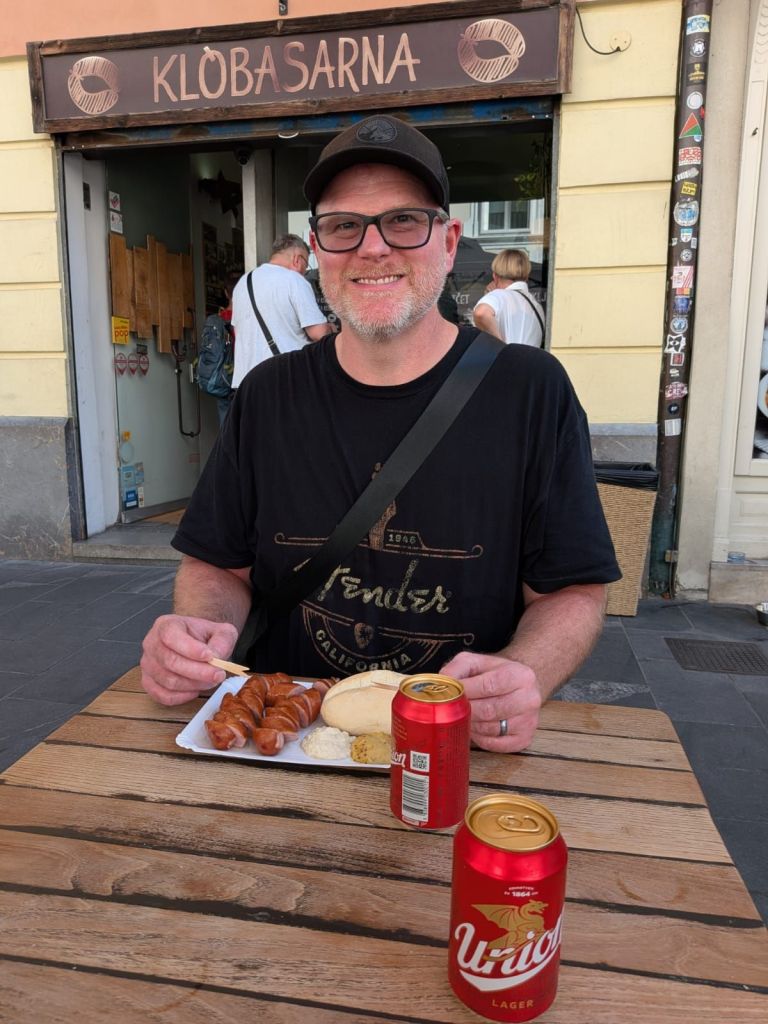
The next day we headed off to Ljubljana which turned out to be an absolutely delightful city. The capital of Slovenia, bursting with cafes, restaurants and bars. We were able to get into our apartment a bit early, and just like every time we reached a new destination, we were dying for something to eat. First stop, Klobasarna. A small vendor that specializes in Carniolian sausage.

But food isn’t the only thing Slovenia is good for, it has a long and tumultuous history spanning over a thousand years, where foreign oppression was a common theme. It really wasn’t until the early 90s that Slovenia became truly independent, after they announced they would separate from Yugoslavia. Of course that did come without a fight, albeit a small one compared to the rest of the countries that made up the former communist state. Since then, Slovenia seems to have thrived, Ljubljana putting that on full display.

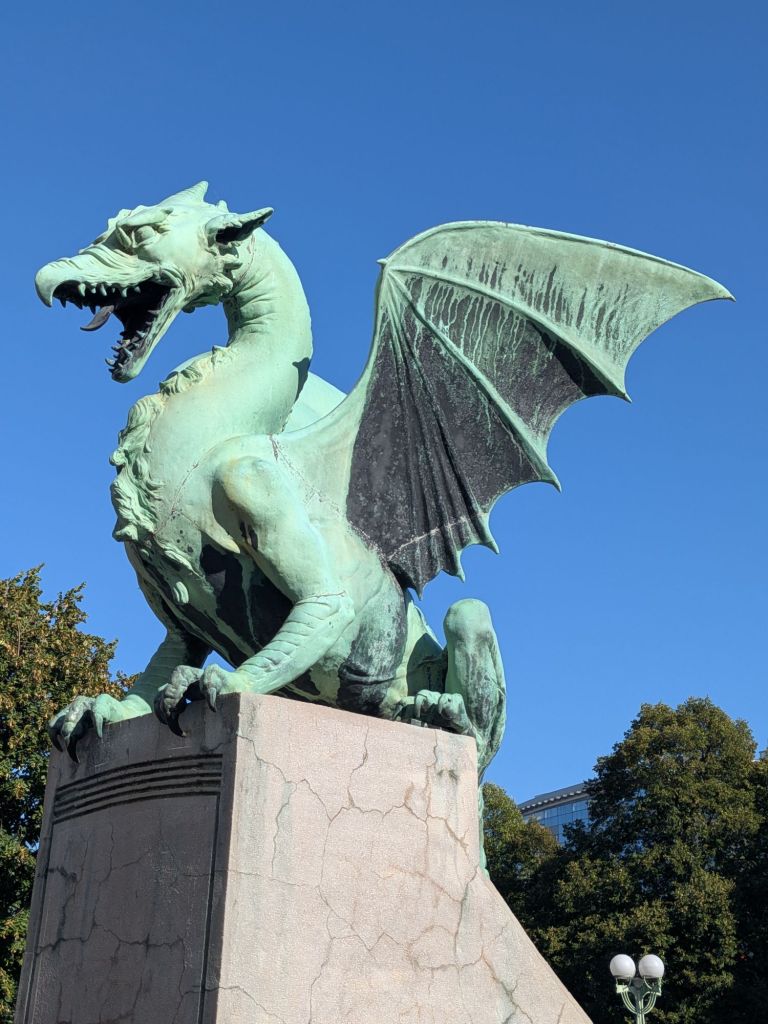
Ljubljana’s famous dragon mascot on the Dragon Bridge. Built in 1900, was one of the first reinforced concrete structures built in Europe.

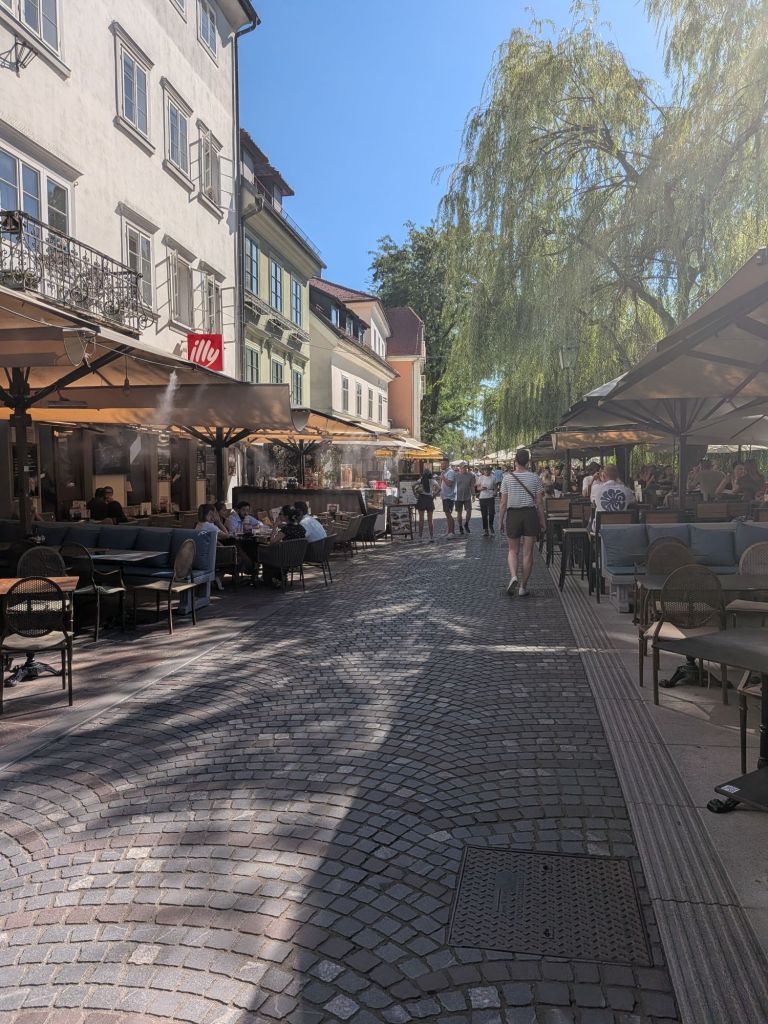
The cafe-lined, cobblestone streets of Ljubljana.

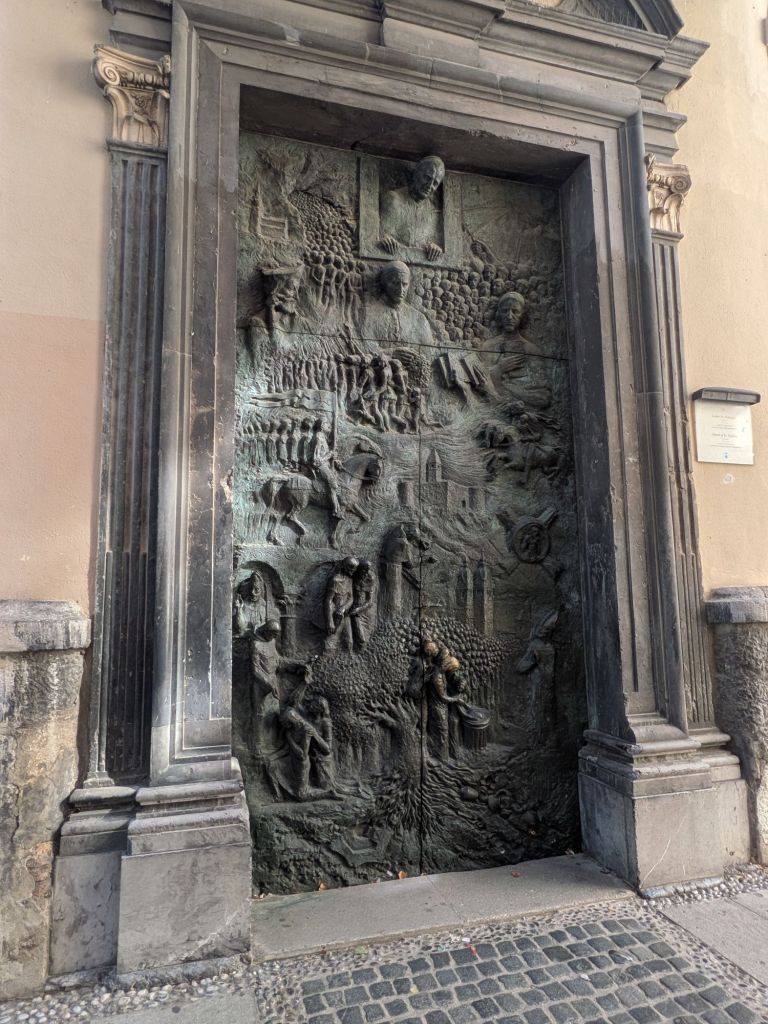
This ornate door on Ljubljana’s cathedral was made by a local sculptor,  depicting the long history of Ljubljana and Slovenia. At the top is Pope John Paul ii, who blessed the door when he visited the city in 1999.

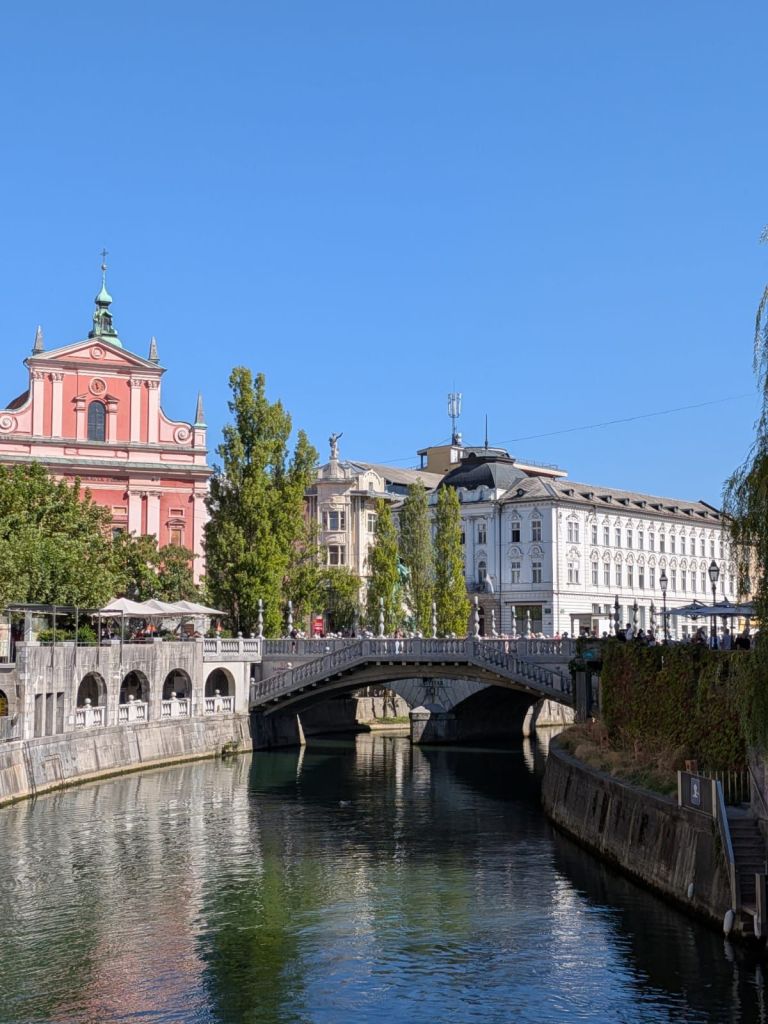
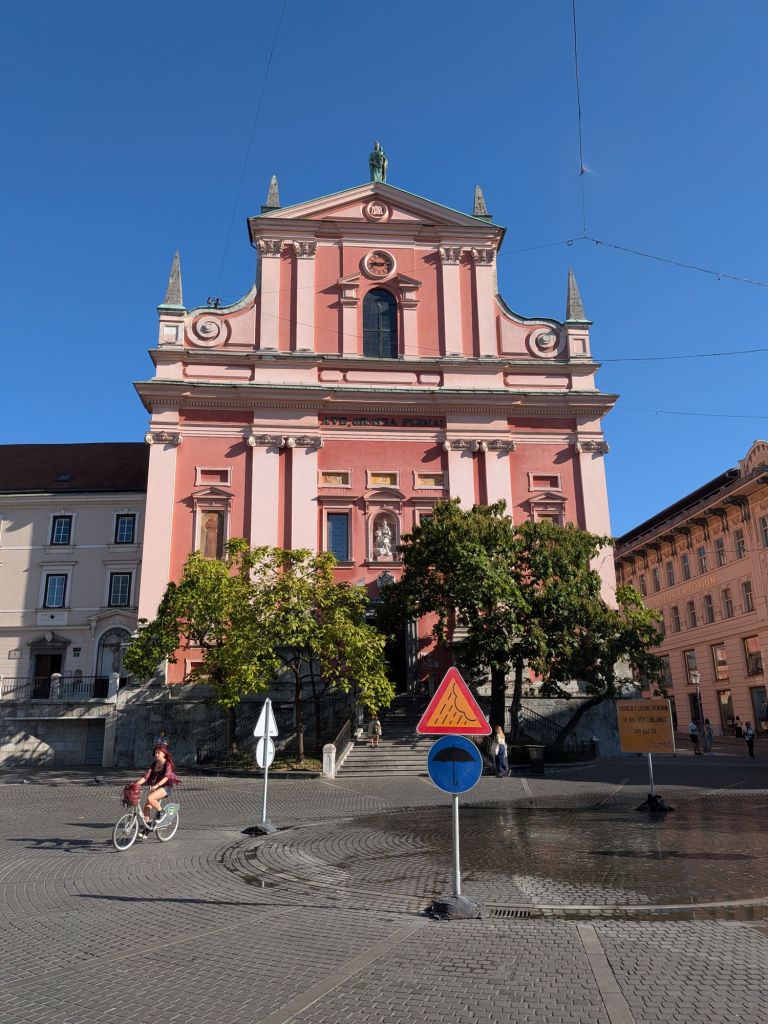
The pink church. It was originally painted red, but the paint faded, and they just kept painting it pink.

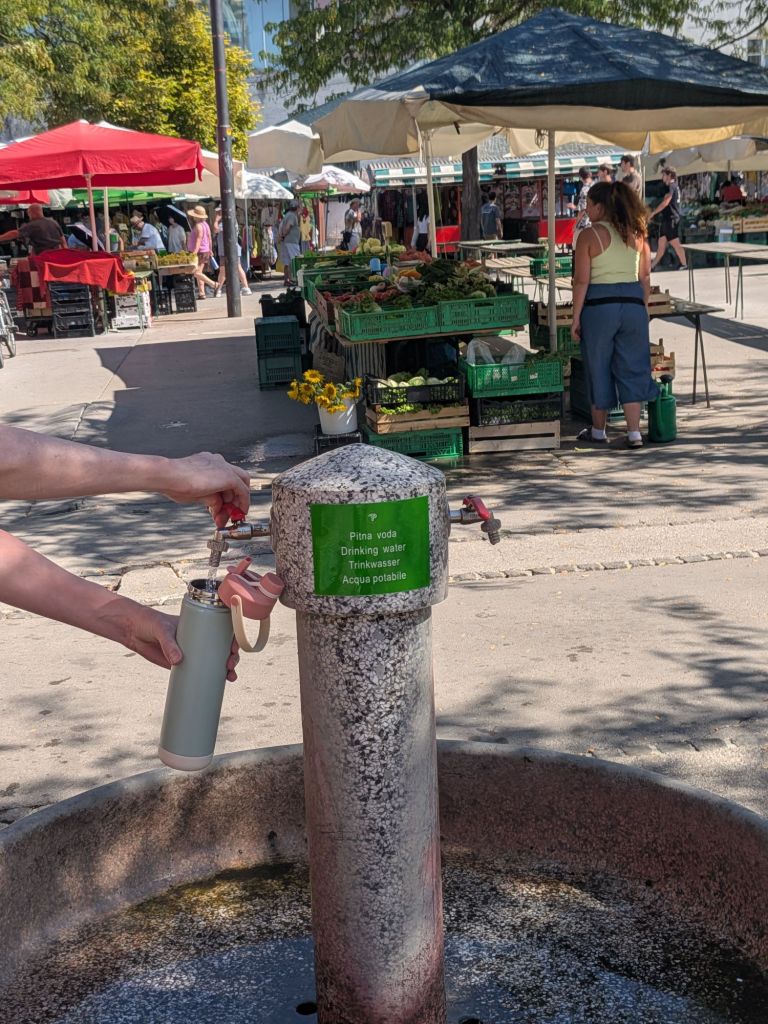
Slovenia has some of the best drinking water in the world, according to the internet. There are fountains everywhere, encouraging people to use less plastic.

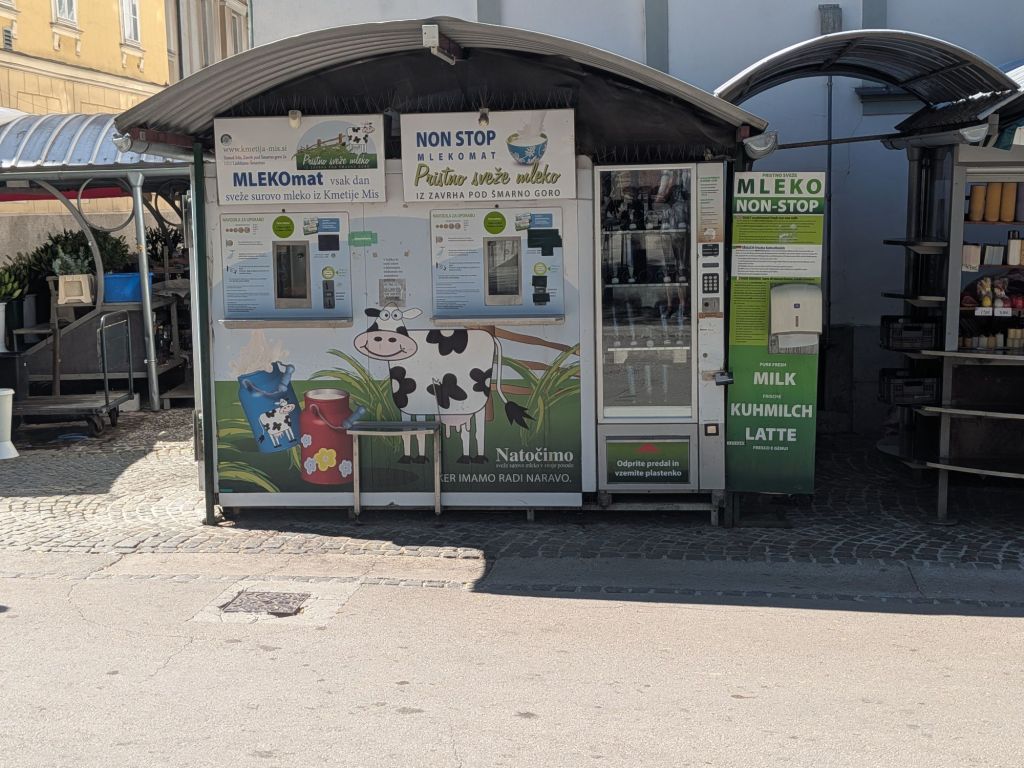
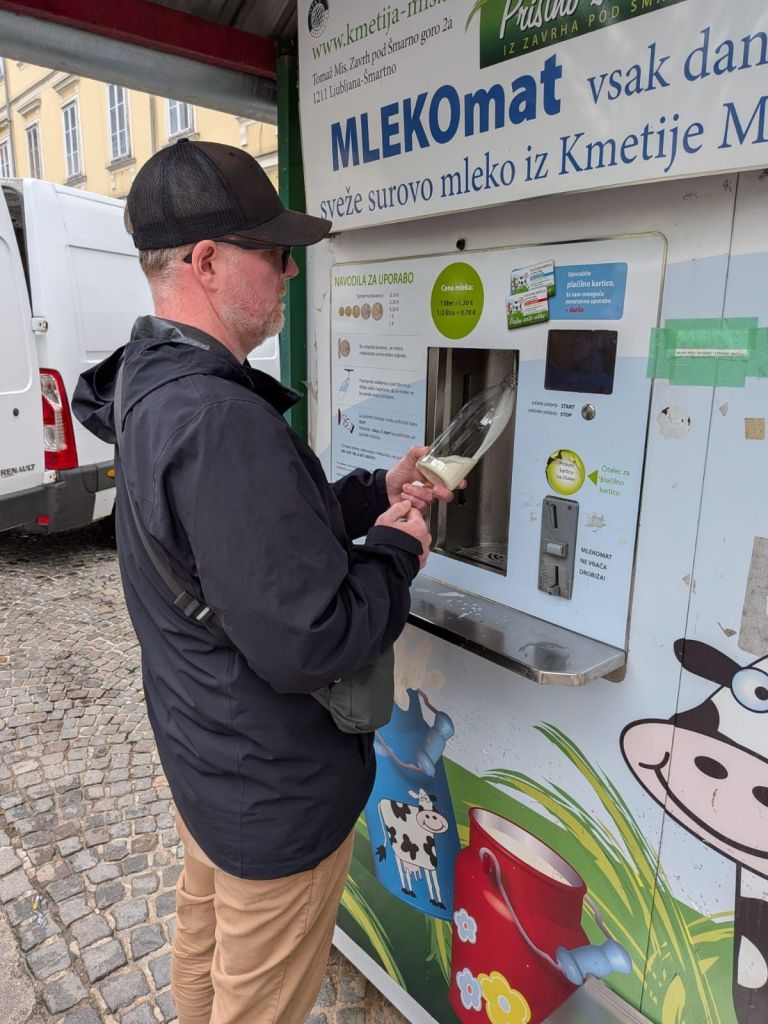
This is a fresh milk vending machine located in the city’s market. It is refilled by local farmers. You can buy an empty bottle at the machine or bring your own, and only cost €0.70 for half a litre.

Yes we bought some.

Ljubljana had a lot going on. A super cheap bike share program, sign up for €1 for a week or €3 for the year, and only pay more if you use a bike for longer than an hour. They had multiple free electric “taxis” that would pick you up and drop you off anywhere in the city center. A community/cultural hub with multiple workshops (wood, ceramic, glass, metal, textile, food) with modern and up to date tools like 3D printers, and laser engravers, all available for people to use.

Slovenia surprised us. It showed us what a small European country could accomplish and inspired us to think about exploring fewer bigger cities, and to point our attention to the lesser known, smaller ones.

Bologna

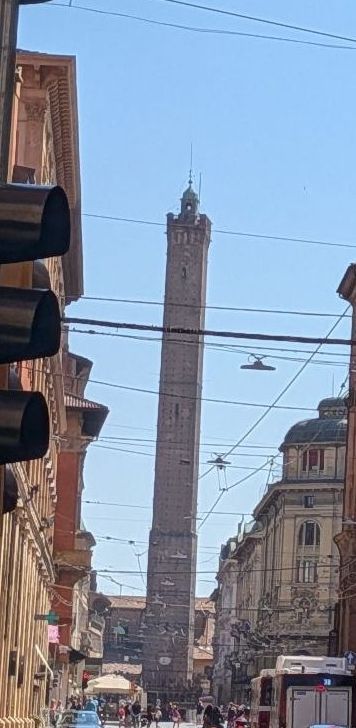
Bologna, the birthplace of Mortadella, and more recently, deep fried tortellini. Where porticos cover wide sidewalks, and centuries old towers lean, threatening to spill their red bricks on foodies below.

We arrived tired and hungry, and made a b-line to a restaurant Carmen had found called Sfoglia Rina. It specialized in fresh pasta dishes. There was a small lineup that moved quickly, and before too long we were gorging on tortellini and gramigna (pasta, yes. I’d never heard of it either). We wandered the city a bit but turned in early.

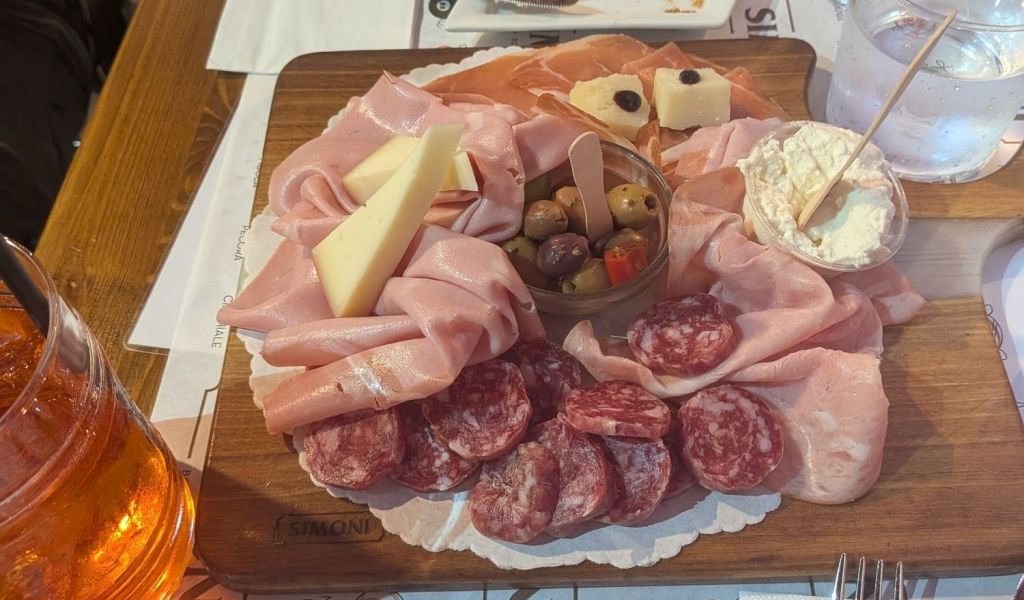
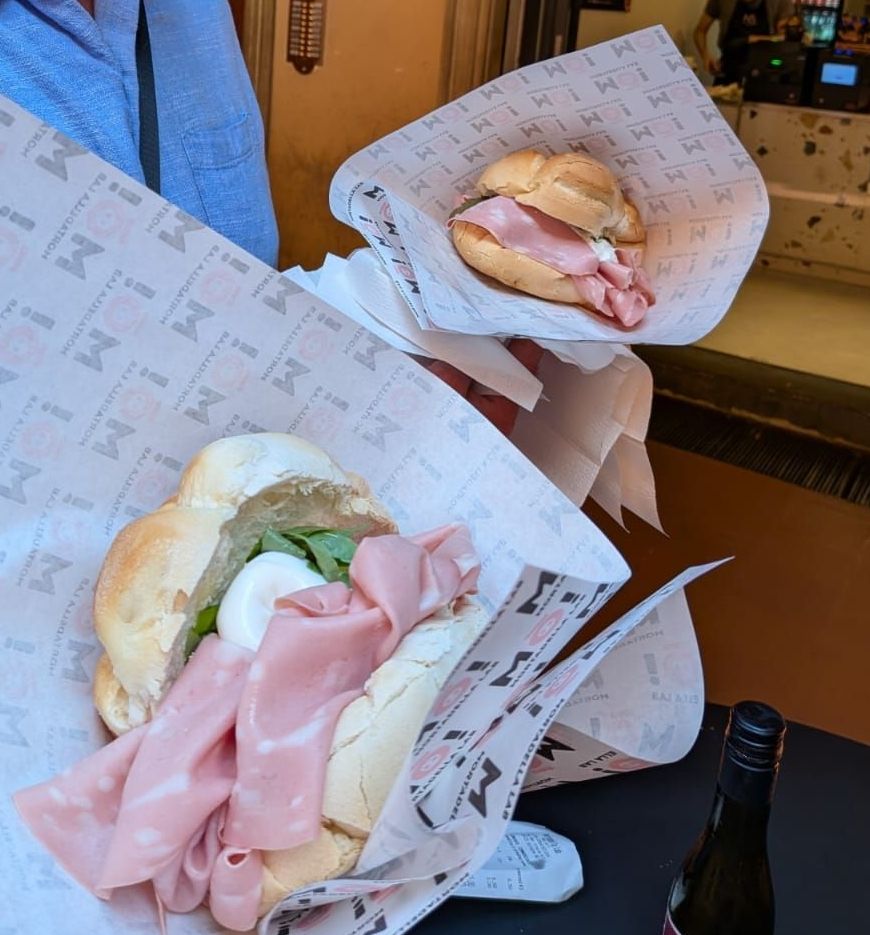
Like I mentioned, Bologna is the birthplace of Mortadella, according to me. And there’s no better way to enjoy it than a sandwich from Mortadella Lab, according to the internet. In hindsight we should have only ordered one, Bologna has so much to offer by way of food, eating a whole sandwich (in my case 1.2) we kind of limited ourselves. But let’s be honest, I’d be hungry soon enough.

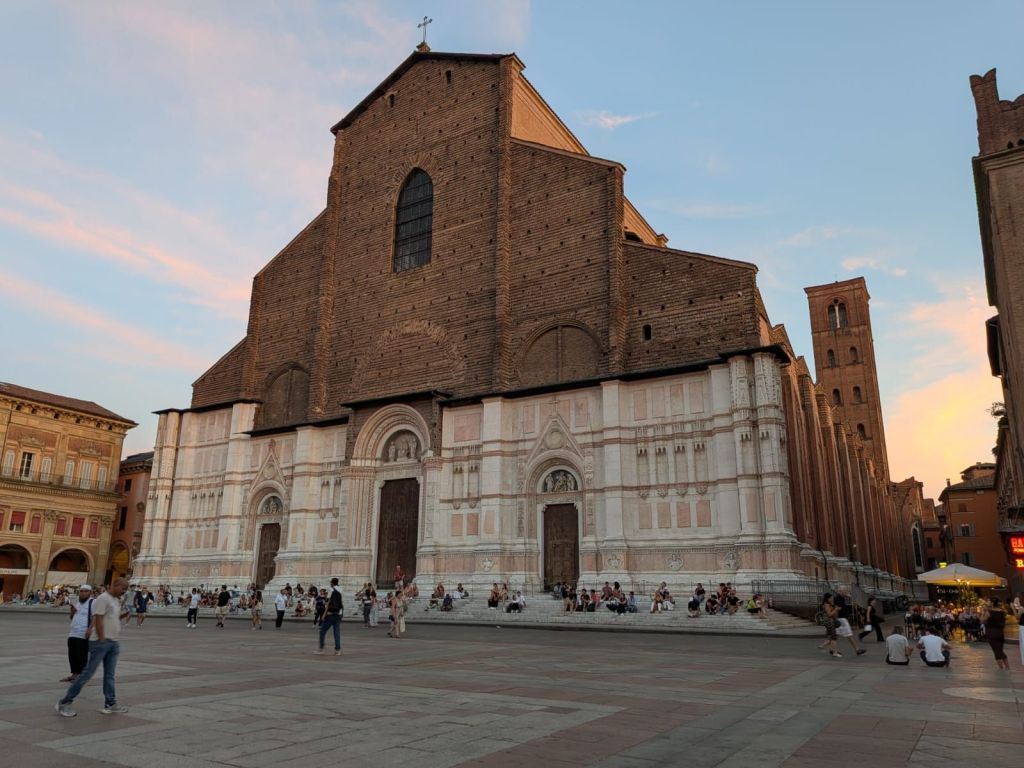
There’s more to Bologna than just the food, there’s a rich history that spans centuries. For example, the unfinished church. The people of Bologna decided to build an enormous church, but engineering, money, and politics got in the way. Fun fact: the church is guarded by the Italian military because inside there’s a fresco depicting the prophet Muhammad in hell!

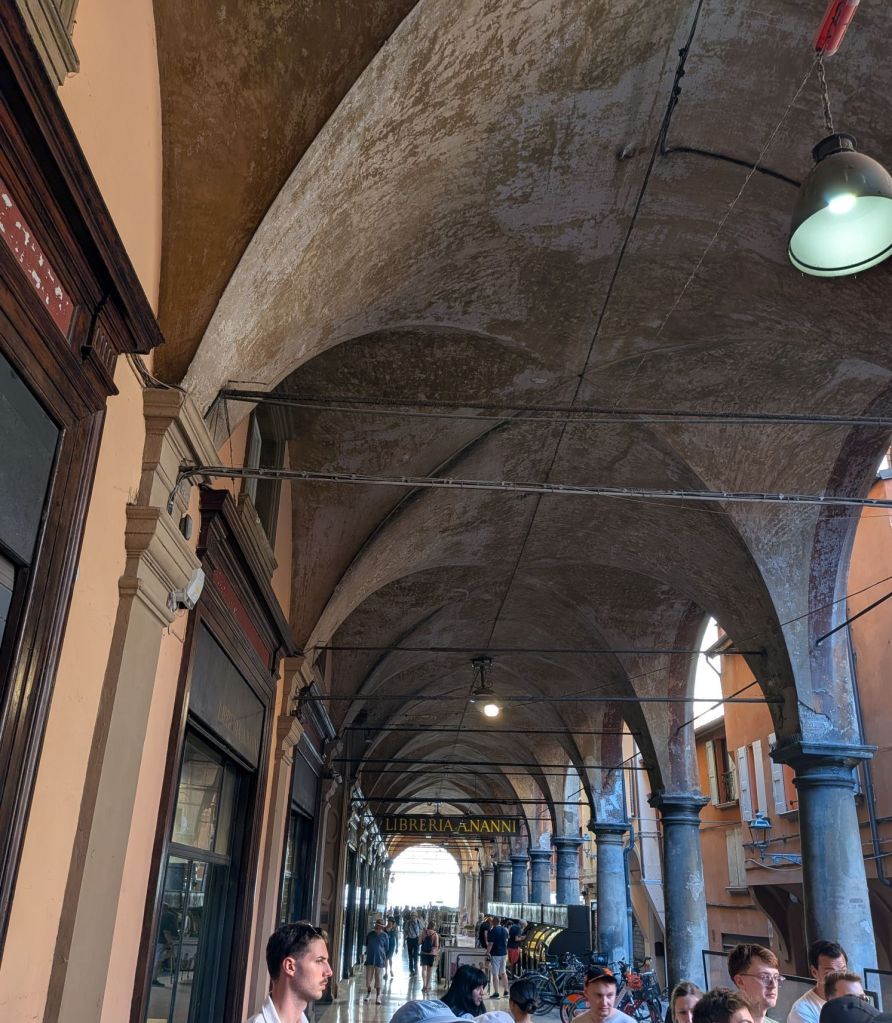
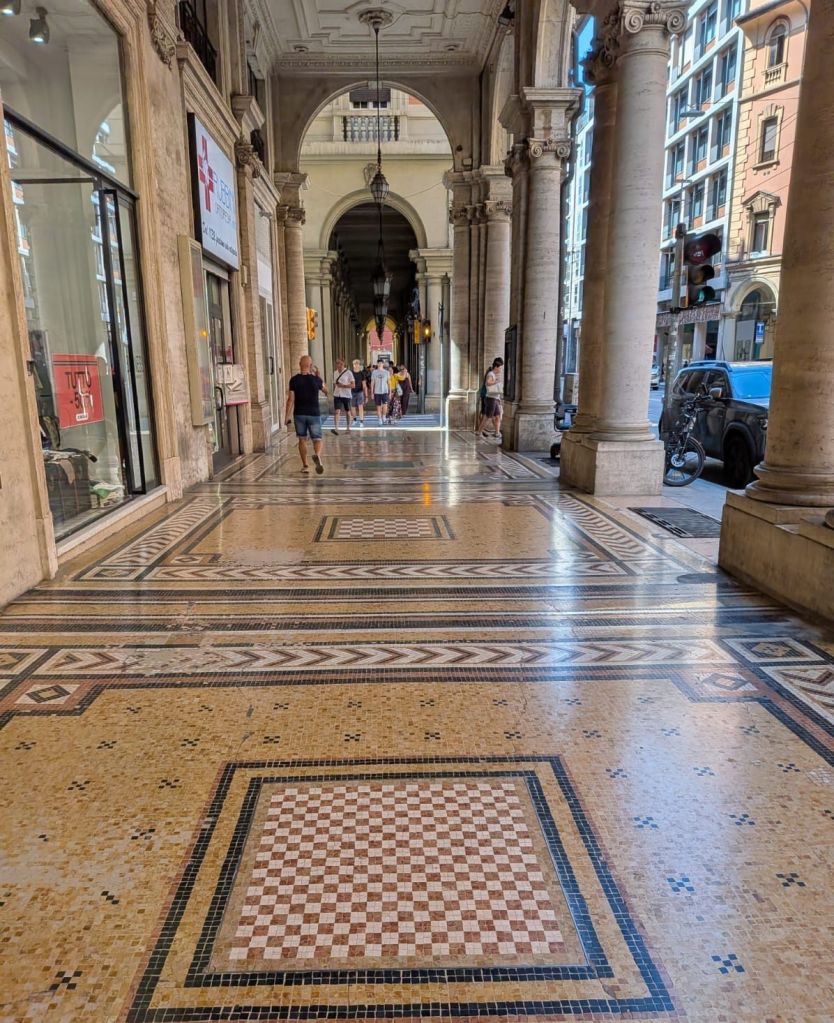
Now for the porticos, so many of the buildings in the old town of Bologna are built over the sidewalks, offering much needed shade or cover from the rain. What started as an illegal hack to gain more square footage in a building, eventually turned into a city mandate. Each portico had to be 7 Bolonian feet high, enough for a man, his horse, and his hat. Of course if you wanted to show your wealth, you could definitely build it higher.

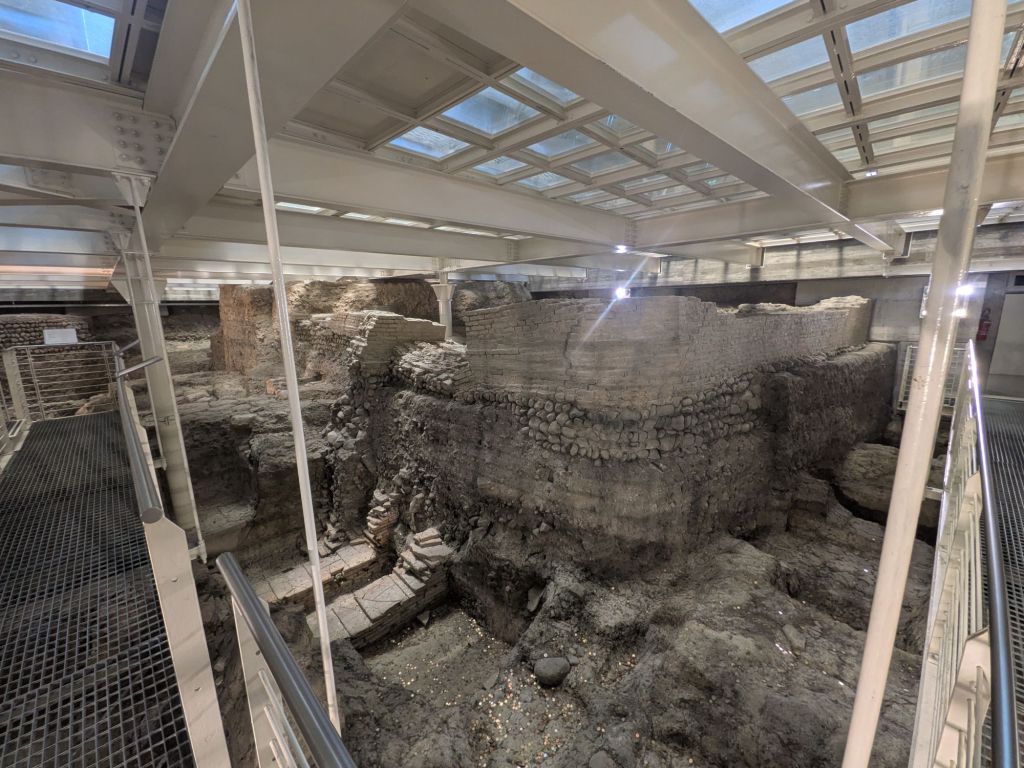
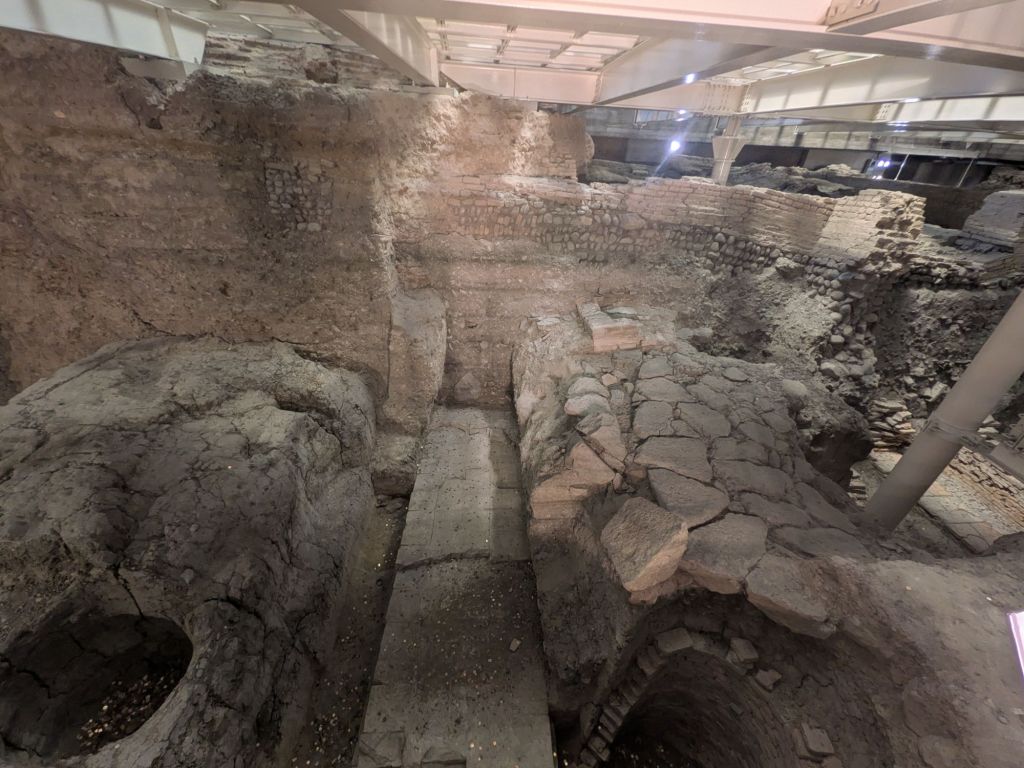
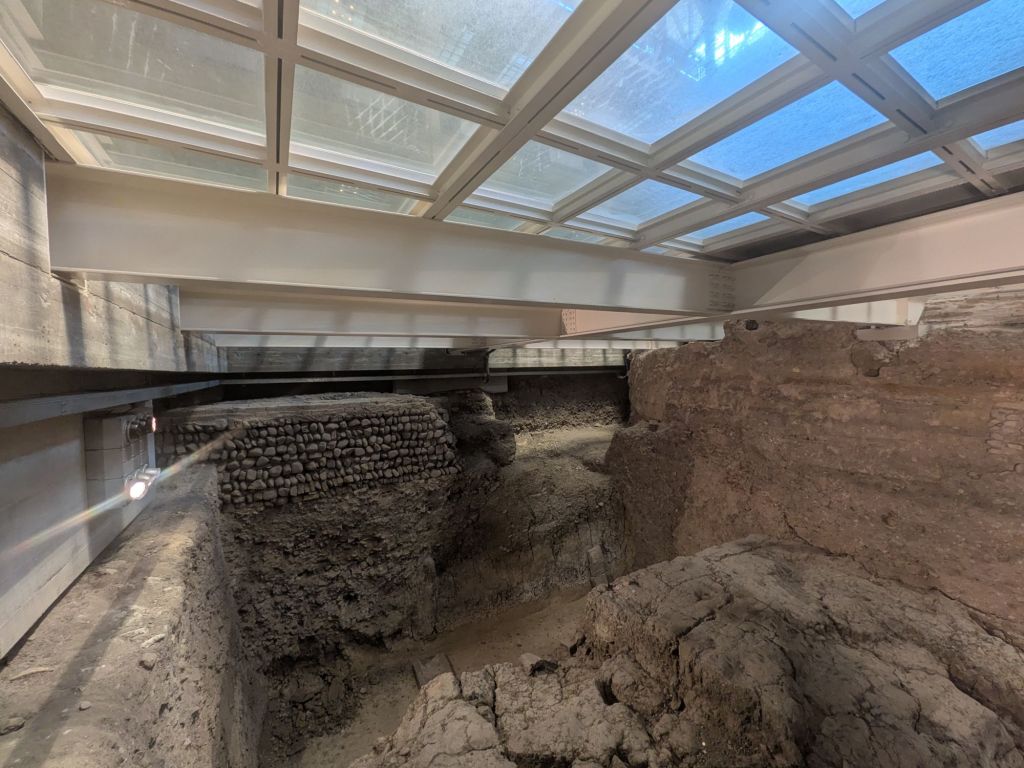
Underneath the library near the main square, there is a small Roman excavation, it’s free to visit, or you can make a donation.

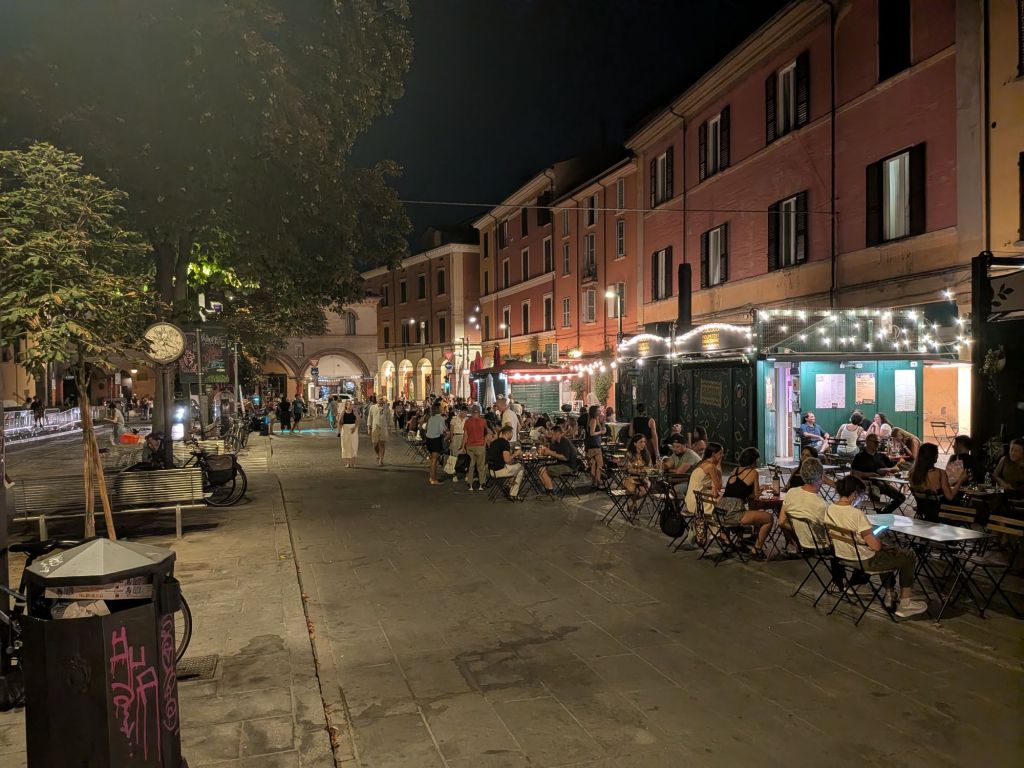
We found a street lined with a bunch of street food vendors, and we were able to have a cocktail, some Bolognian classics to eat, and a much needed salad – no more scurvy for us. The place was lively, and just as we left, a swing dancing demonstration started.

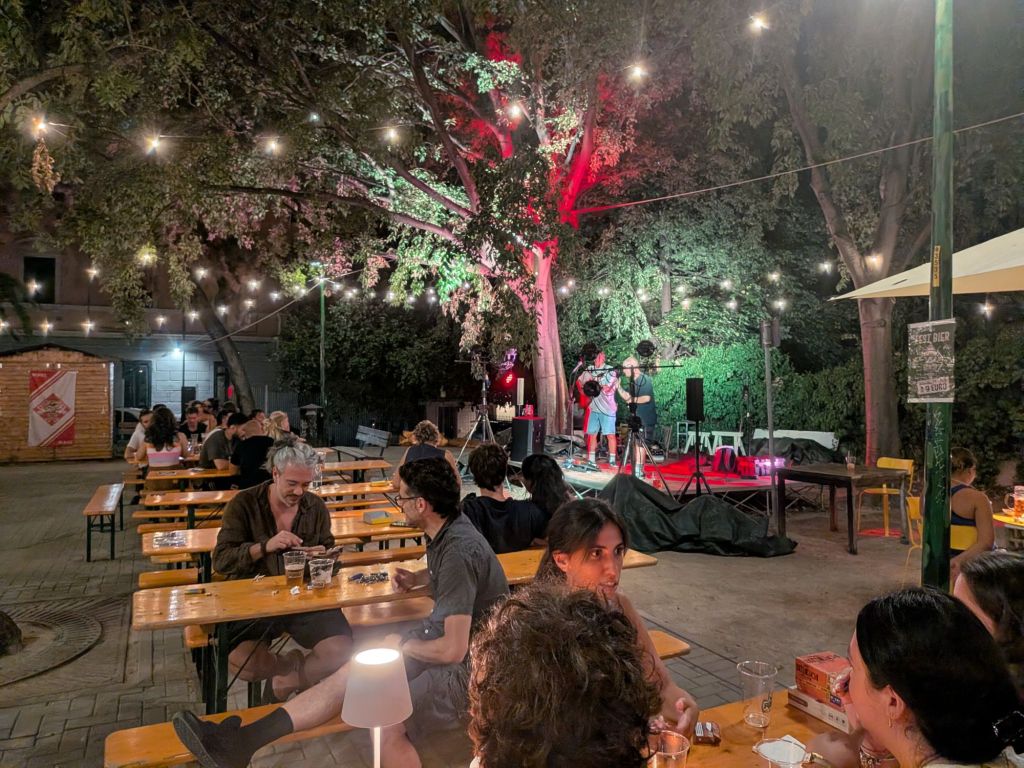
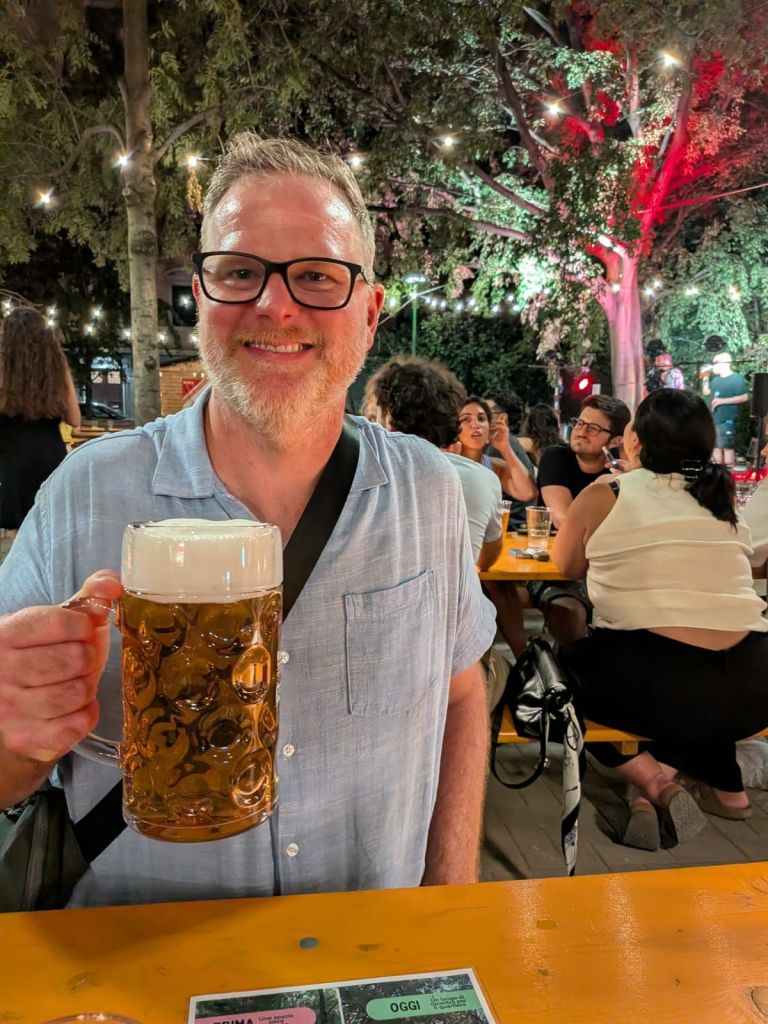
Another example of Bologna’s excellent use of public space, just steps away from our accommodation, there was a park that had been recently transformed from a barely used space, to an open venue with live music, local vendors and huge beers where a serendipitous mistake led me to getting two beers instead of one. Lucky me!

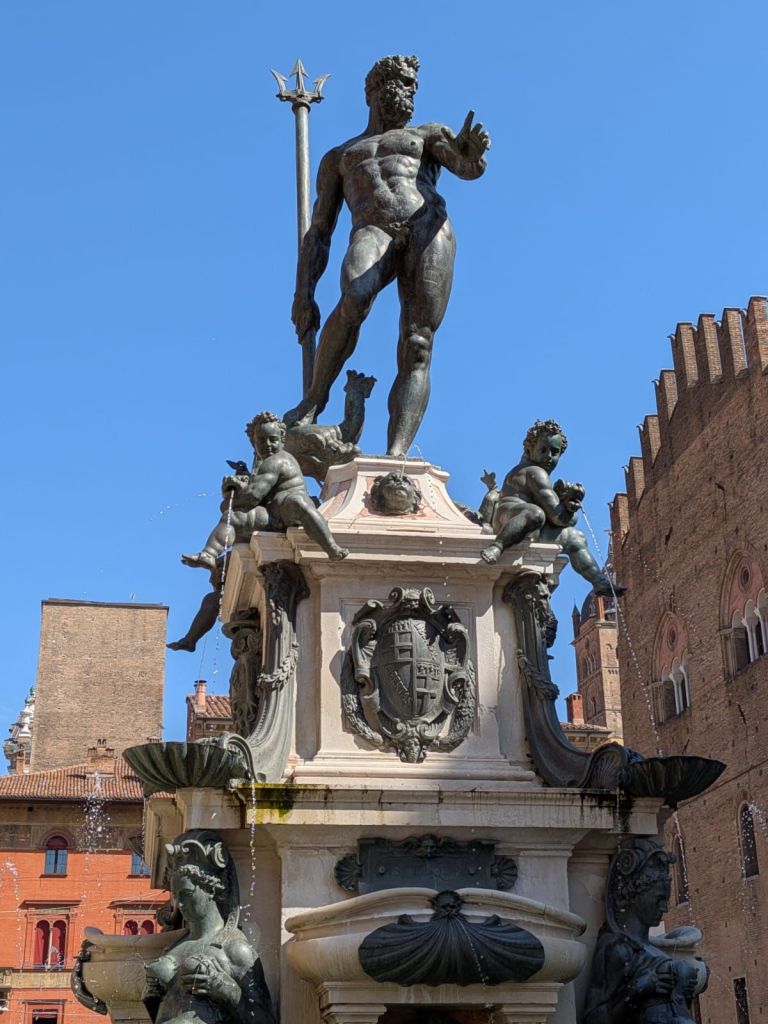
Bologna was a great place to visit, there was lots to see, and even more to eat. We wished we had more time here to explore. We can’t say enough good things about the city, its statue of Neptune completed in 1566 even has an inside joke about penis size. Don’t take my word for it, look it up.

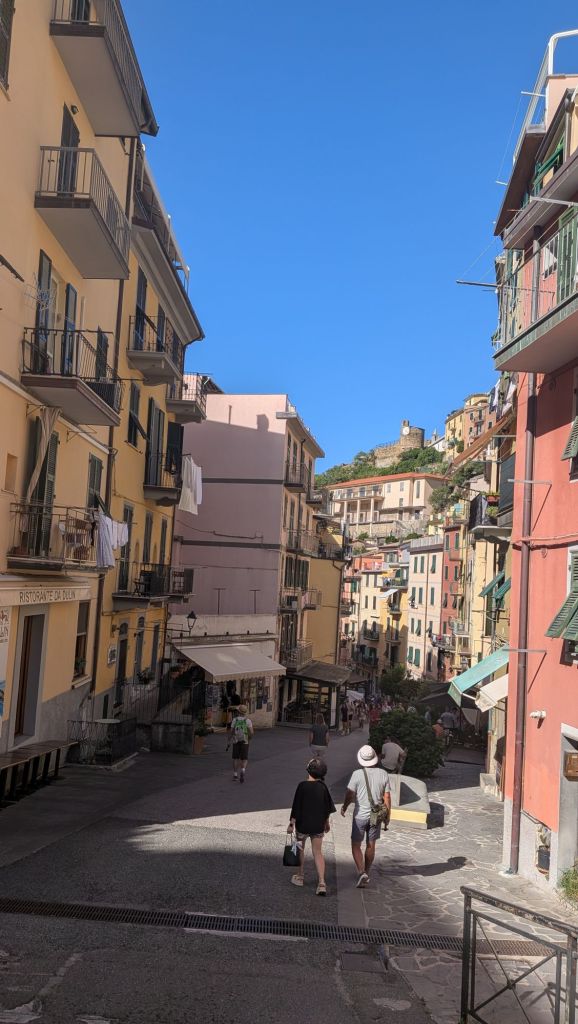
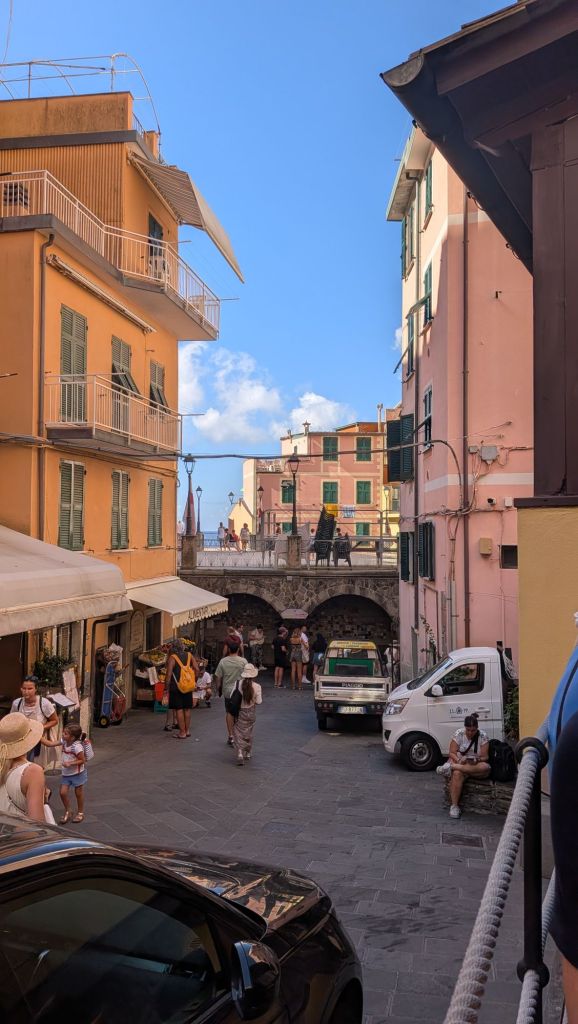
Monterosso al Mare and the Cinque Terre.

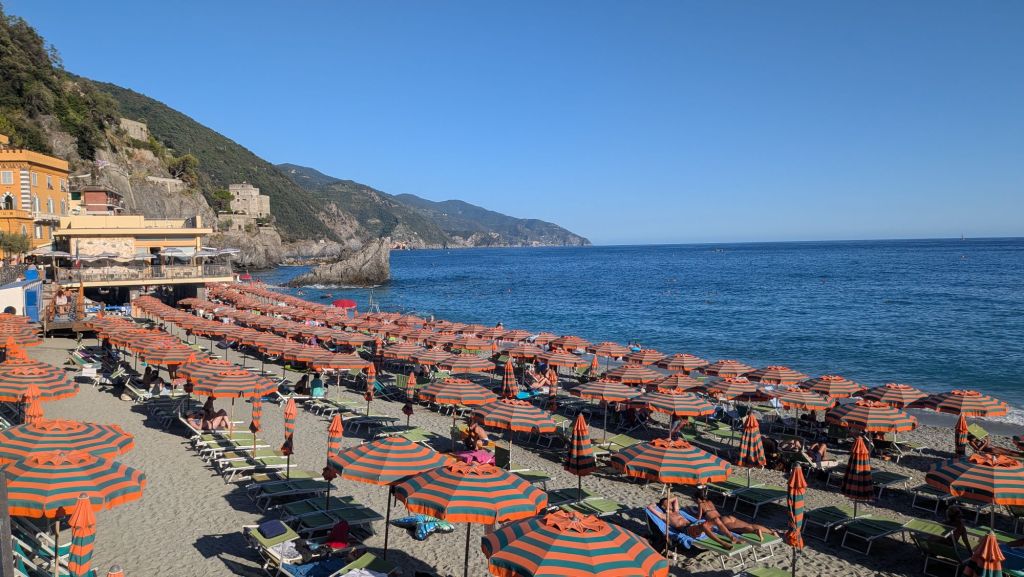
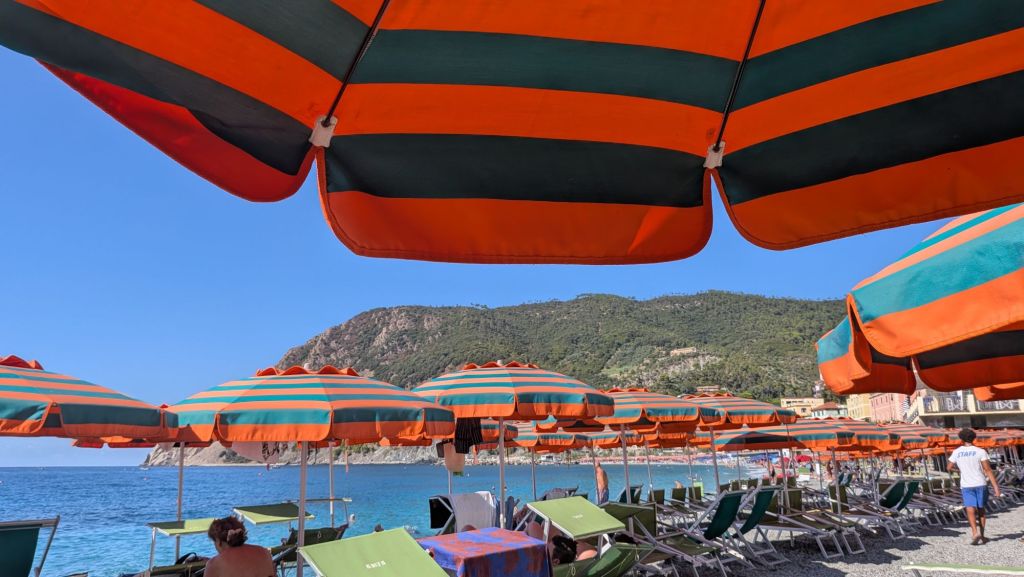
We arrived in Monterosso al Mare in the afternoon, and it was hot. One look at the shimmering blue of the Mediterranean and all I wanted to do was jump in. First we had to check in to our hotel, but then after that we’d go swimming. Before we jumped in, we got an obligatory Spritz from a small sidewalk bar, walked through the tunnel that separates the two parts of town, found a spot on the beach, and went for a swim. The water was so refreshing, and the waves gentle.

That night we had a pizza dinner at a place just steps from our hotel. We walked into the old town, past all the shops and restaurants, but we were both tired from the travel day so we called it early. We stopped at a small grocery store and bought some yogurt and fruit to keep in our room, and soon realized we had no means to eat the yogurt. A problem for tomorrow.

Beach Day! After a good rest, lathering up with sunscreen, a not so great breakfast and one act of larceny, we headed to the beach. We made reservations at a beach club for chairs that could be described as the worst ones on the beach. Situated right next to the garbage cans, with a broken umbrella, they served us well. The Mediterranean was calm in the morning, and the swimming was cool and refreshing. We spent most of the day there, with a break for lunch with our friends. When we came back to the beach the waves had picked up a bit but the water was still inviting enough for a few more swims.

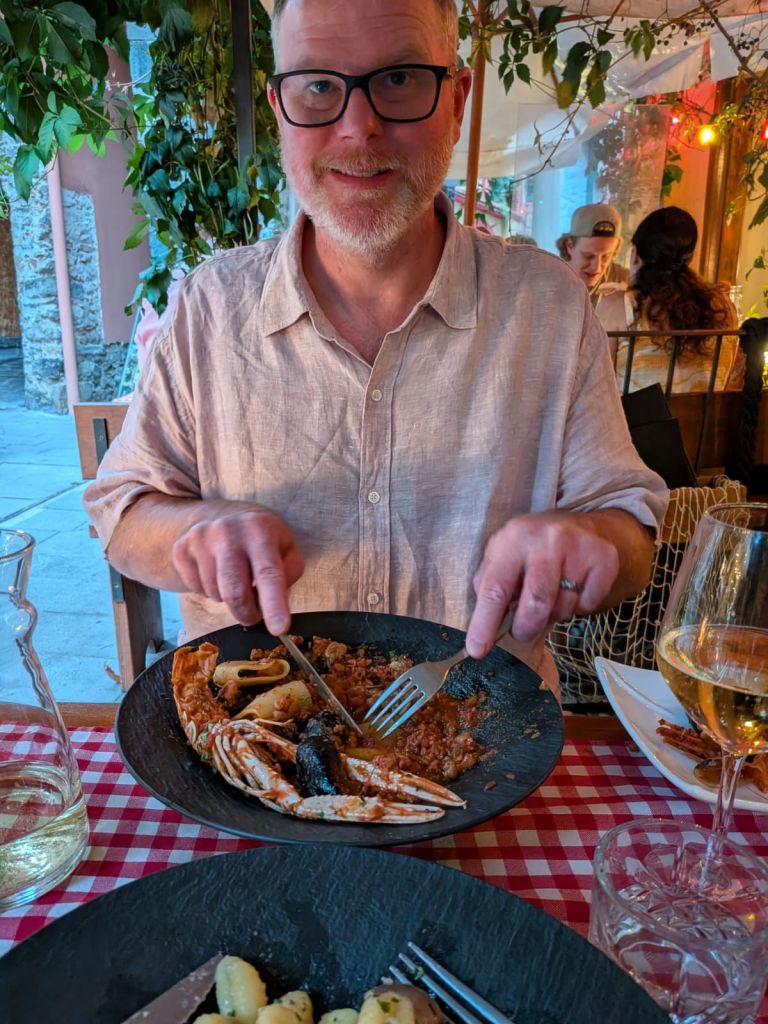
That’s me eating dinner. So good. Clams, mussels, and scampi with pasta in tomato sauce.

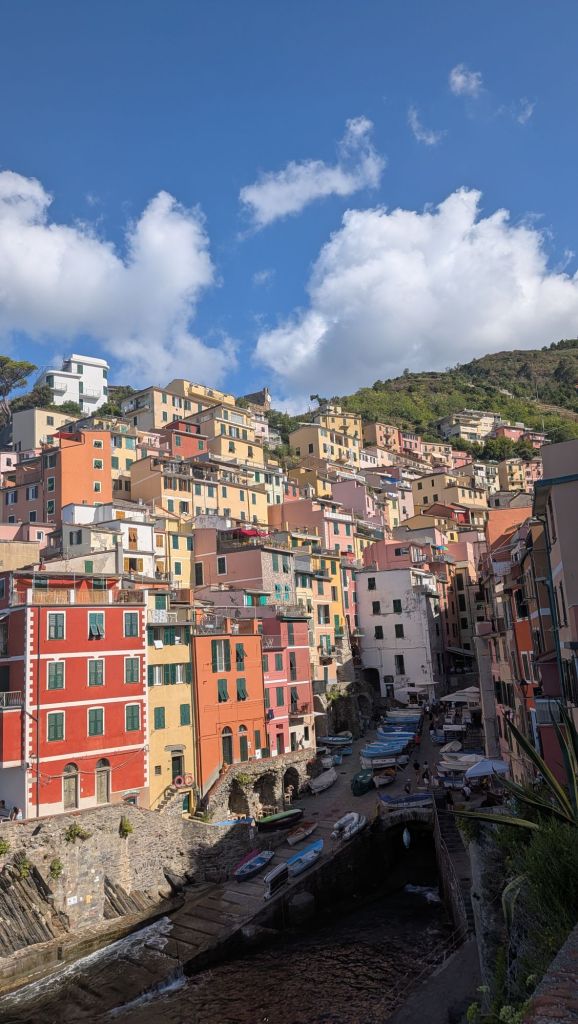
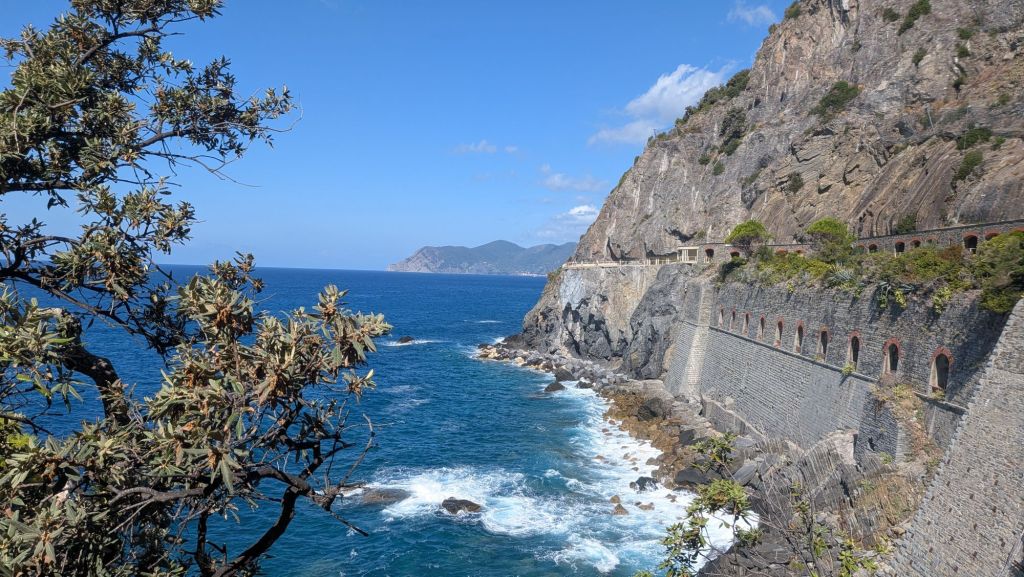
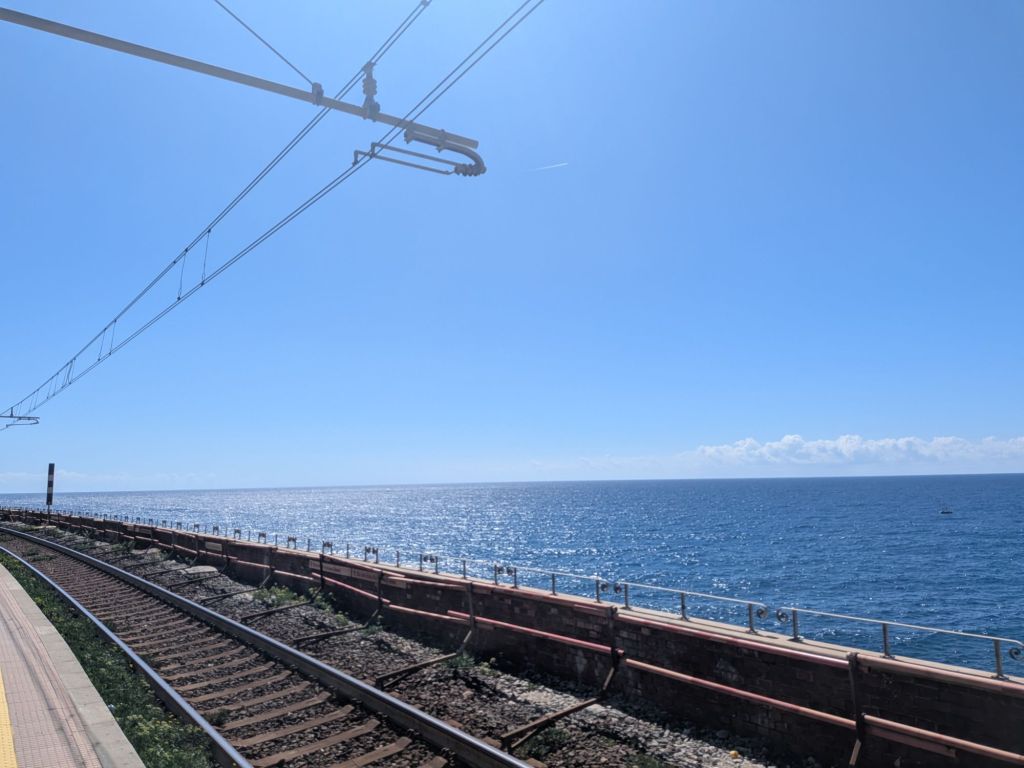
The next day we went to some of the other towns in the Cinque Terre. Each one with their own charm and character, but all sharing the same iconic steep cliffs, pastel colours, and abundance of restaurants, shops and tour groups. It was busy with people from all around the world, taking in the views and atmosphere.

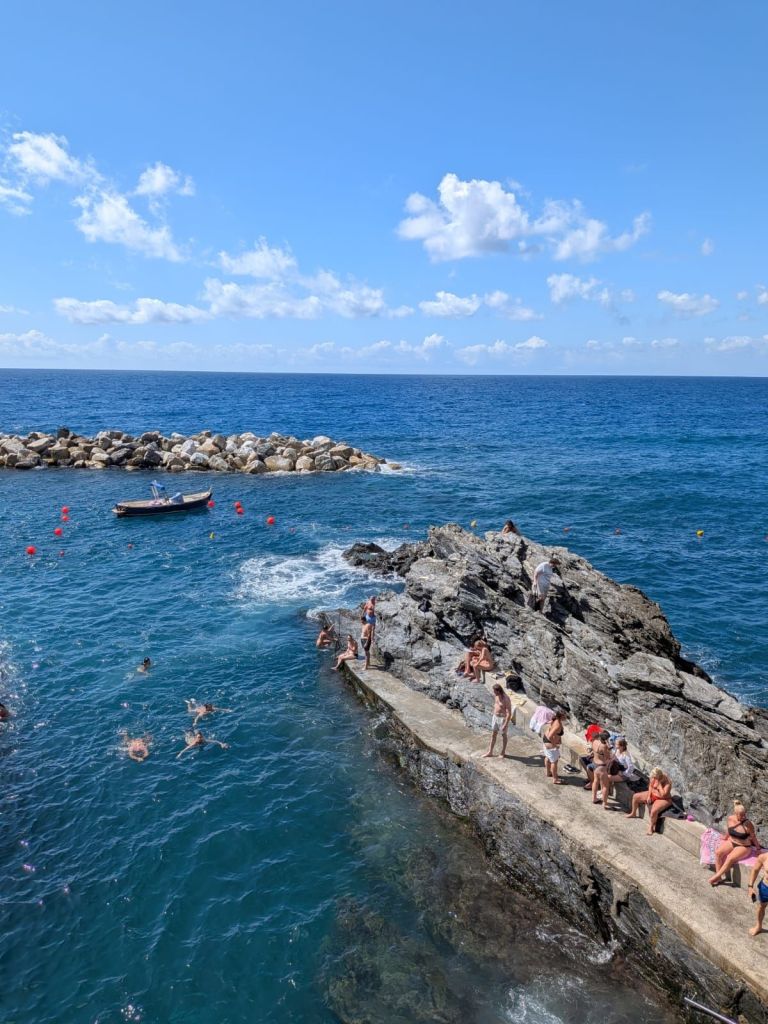
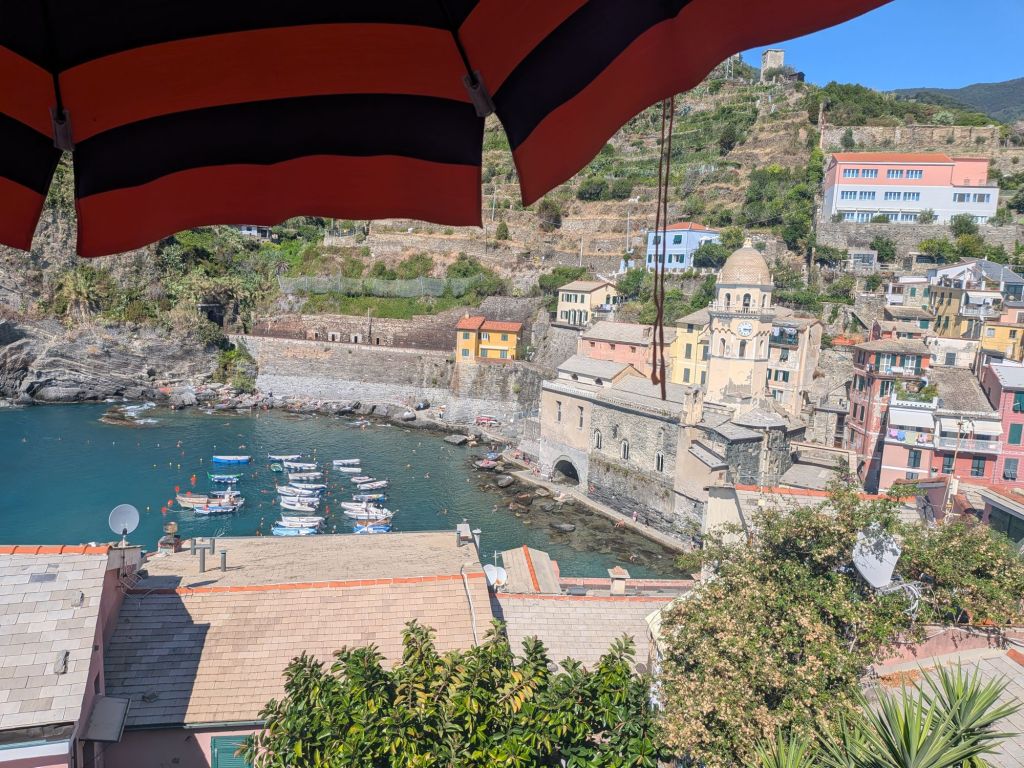
We swam in the bays of Vernazza and Manorola, had drinks and a snack at a restaurant overlooking the water below. All in all a great day.

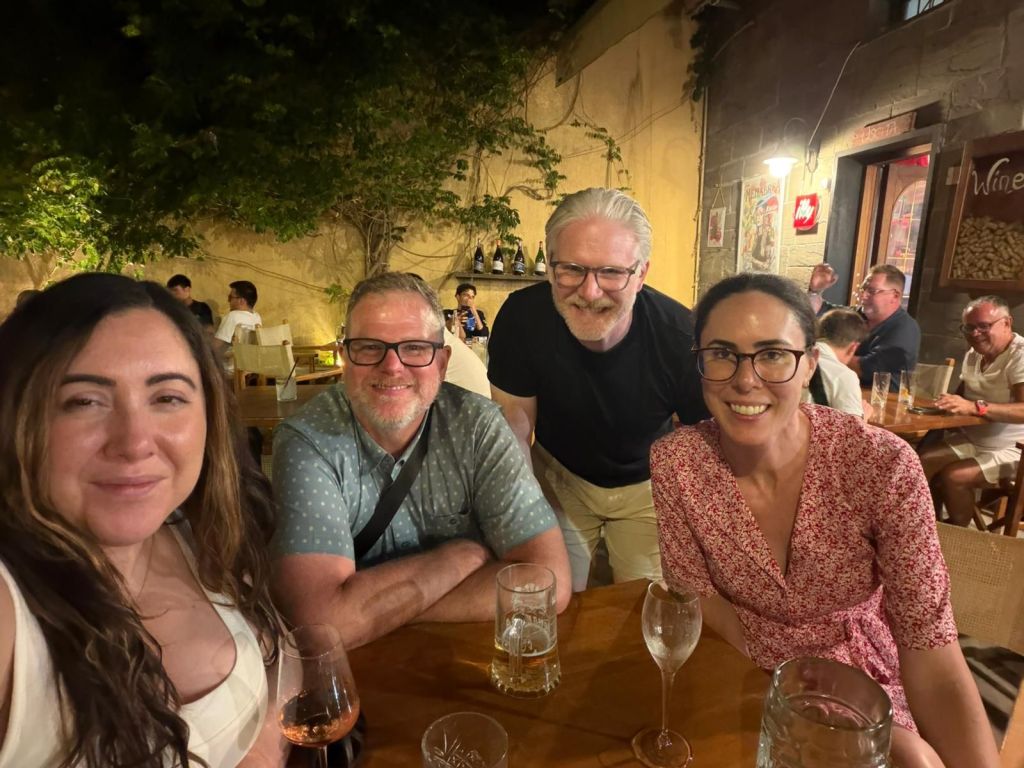
That night would be our last night with our friends. They would be leaving for Florence in the morning, and we would be heading to Bologna. We had dinner together and capped the night off with a few drinks at Midi Bar. Bed time was 11pm, late for us, but worth it to squeeze out a few more hours with some good people.

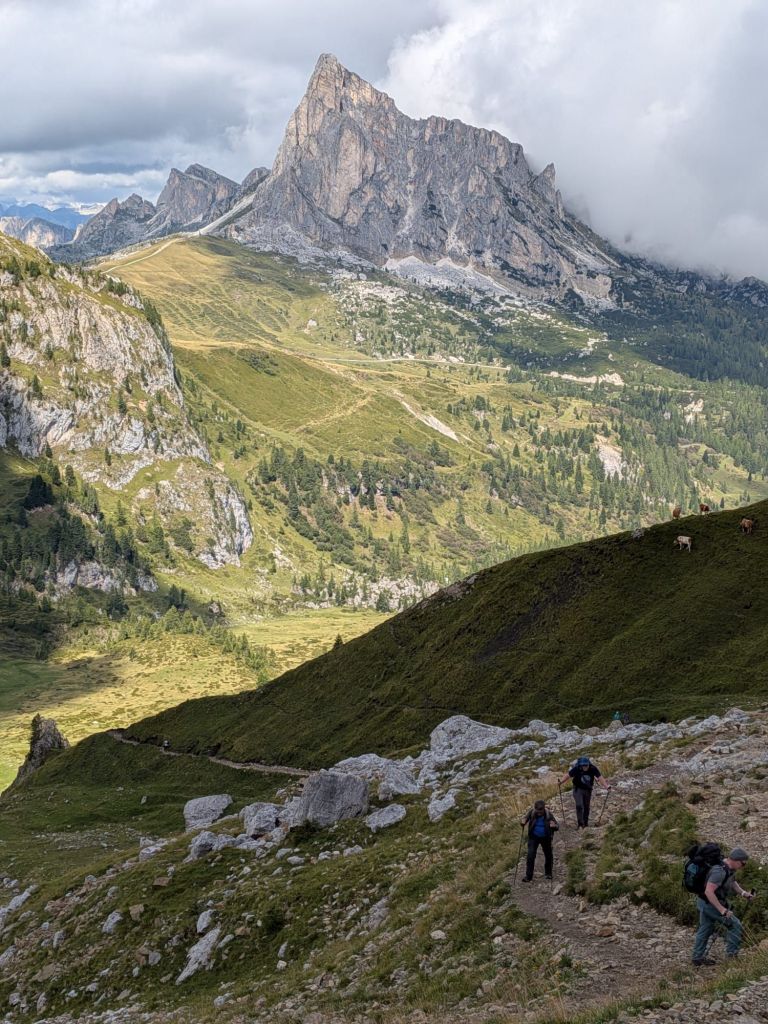
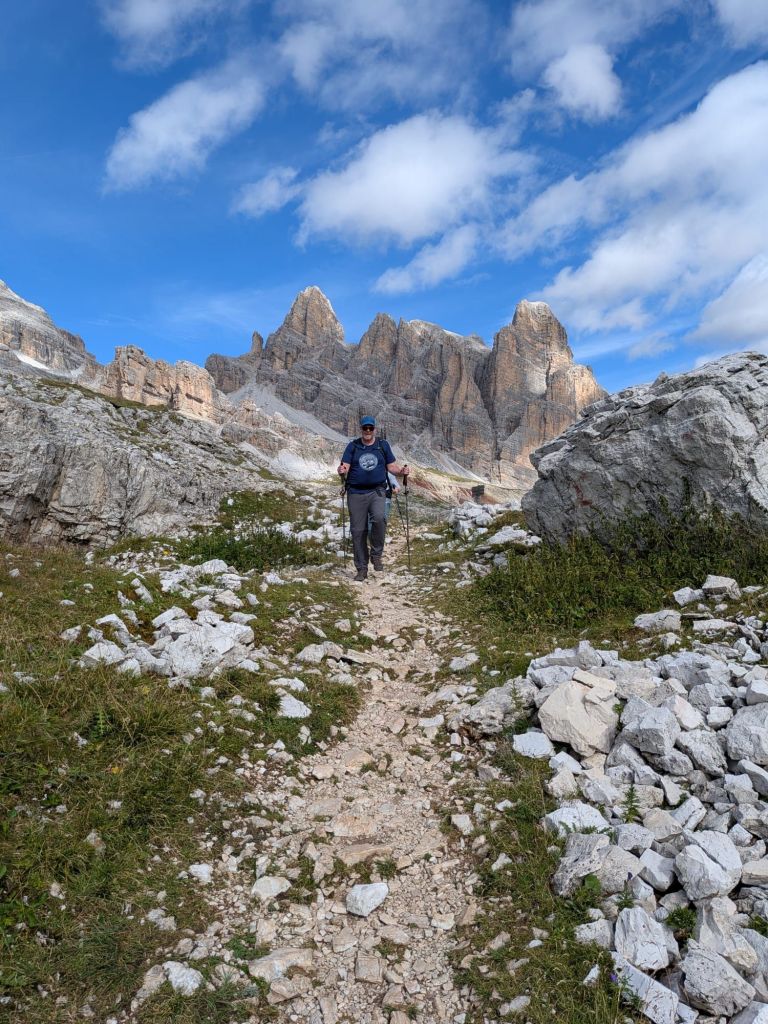
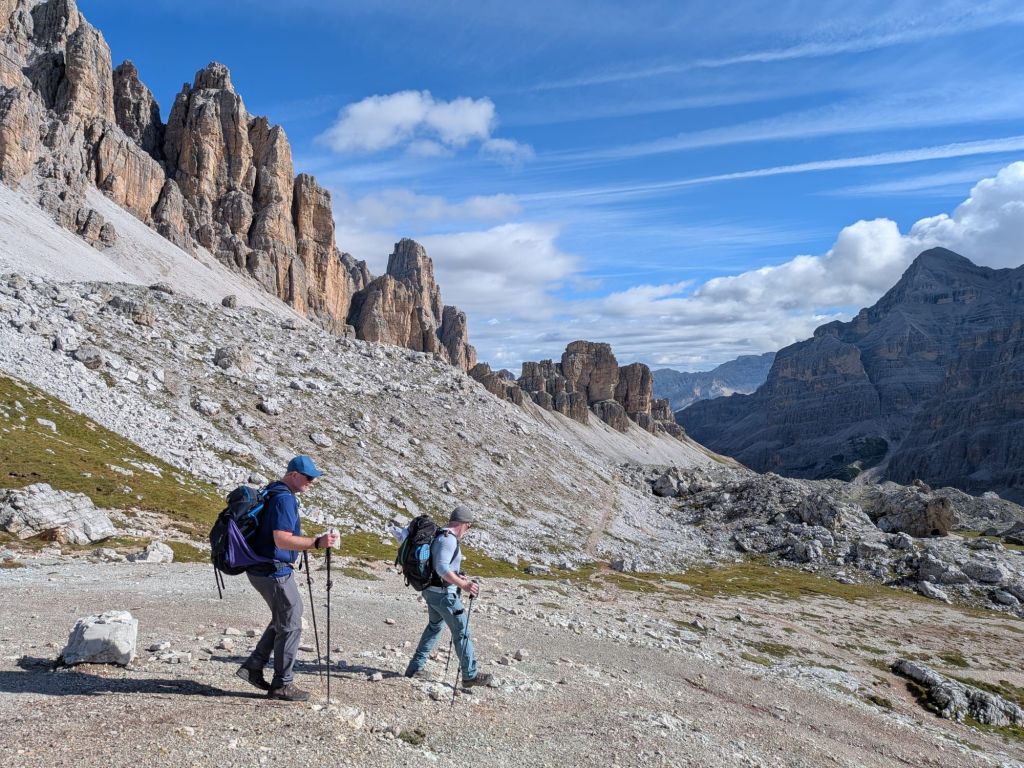
The Dolomites. Days 4, 5, 6, and 7.

I decided to condense the rest of the hike into one post, I’m a little too far removed from those days, and none of them were as harrowing as the first two.

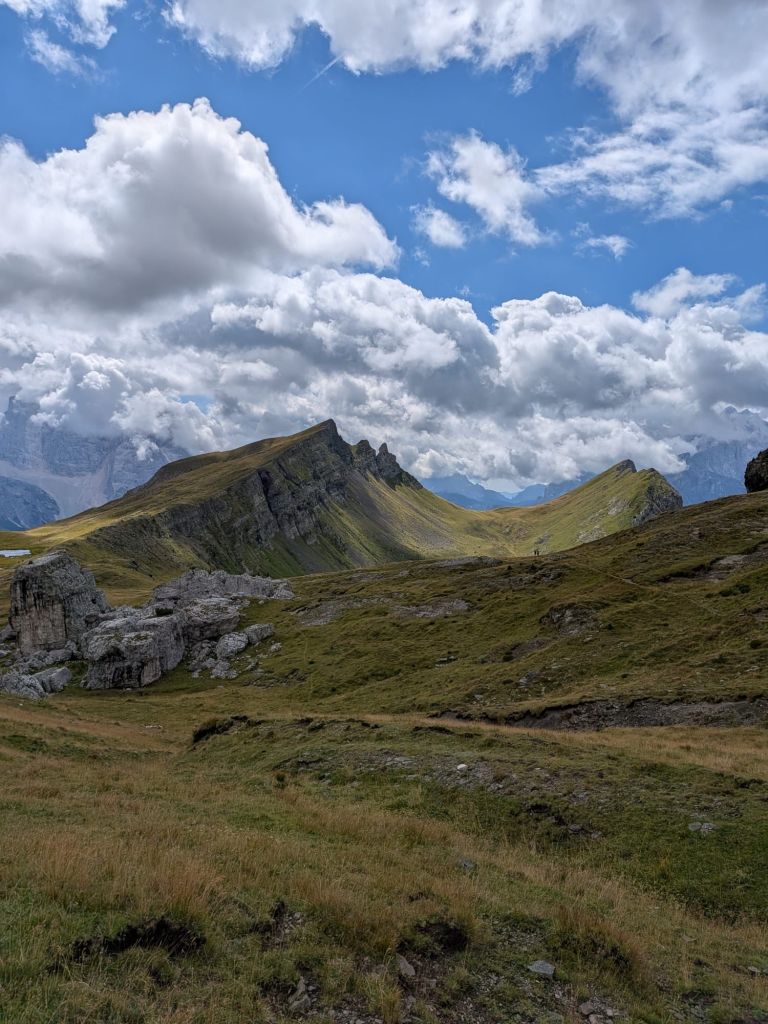
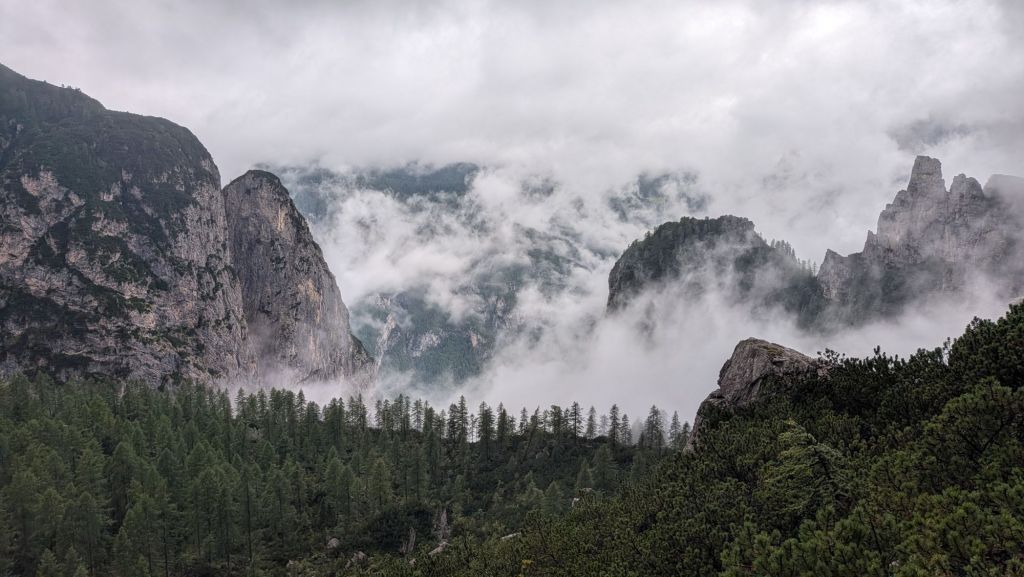
Day 4 turned out to be one of the more enjoyable days on the trek. It started off a bit foggy, and after a bit of a fortuitous wrong turn, we hiked approximately 16.5km that gave us the most amazing views.

It was a great day, not too hot, and not too strenuous. The rest day that we had the day before definitely helped. The day ended at Rifugio Staulanza where we were able to soak in a hot tub before dinner.

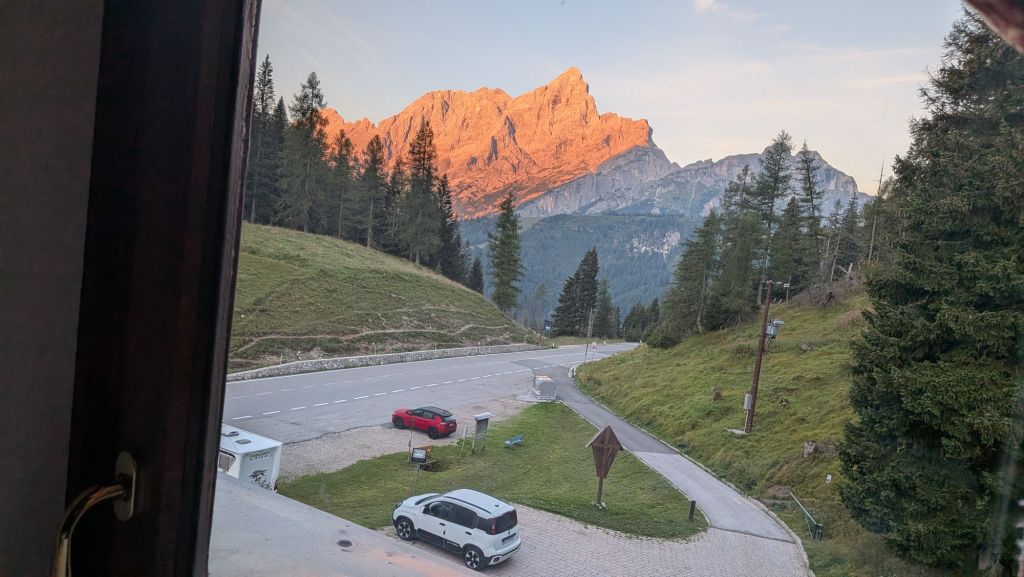
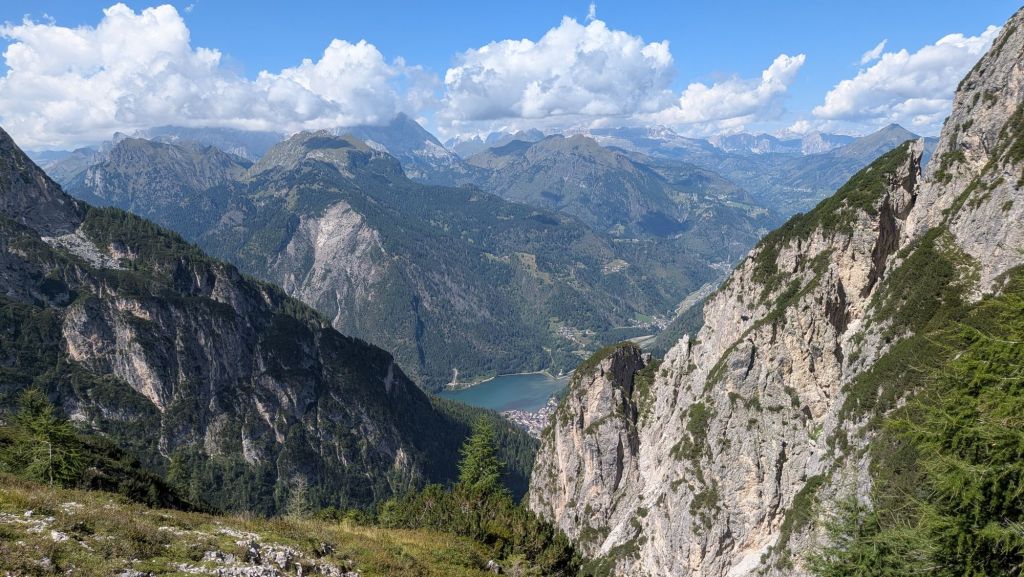
The morning of day five gave us more golden hues. It was a bit of a more difficult day with a few decent climbs, but the views and rewards were  worth it.

We ended up at Rifugio Vassoler where we enjoyed another 3 minute shower and some delicious house infused grappa.

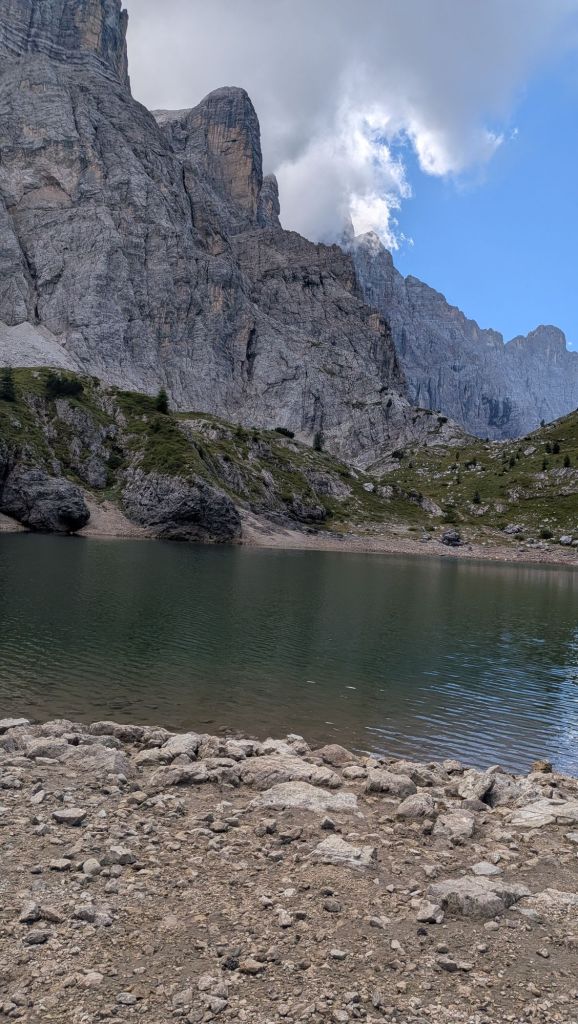
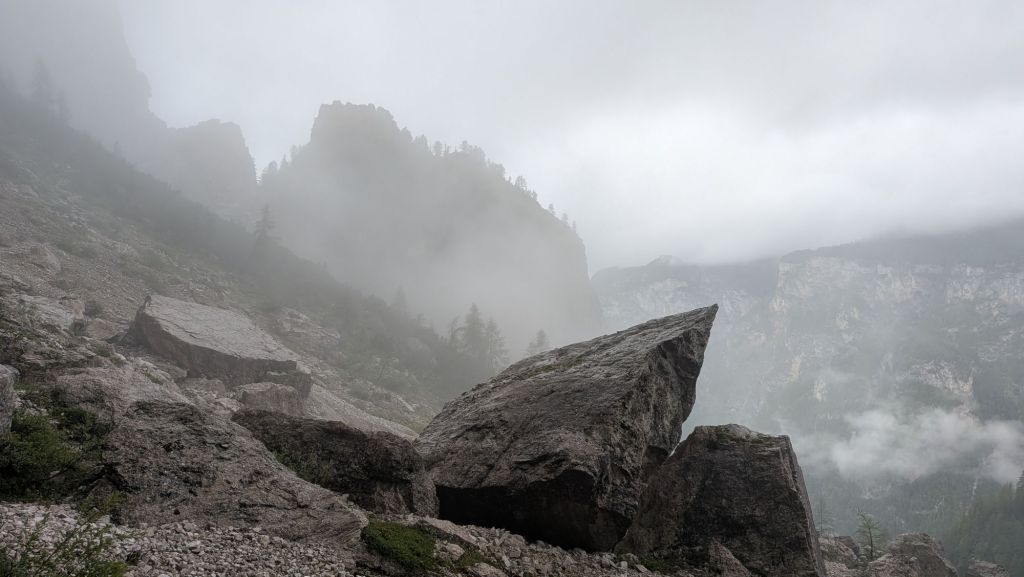
Day six was shorter, just over 9km, but the terrain was challenging, and the day was damp. We had to cross several rock falls, where sometimes the trail eluded us. The views, at times, were otherworldly.

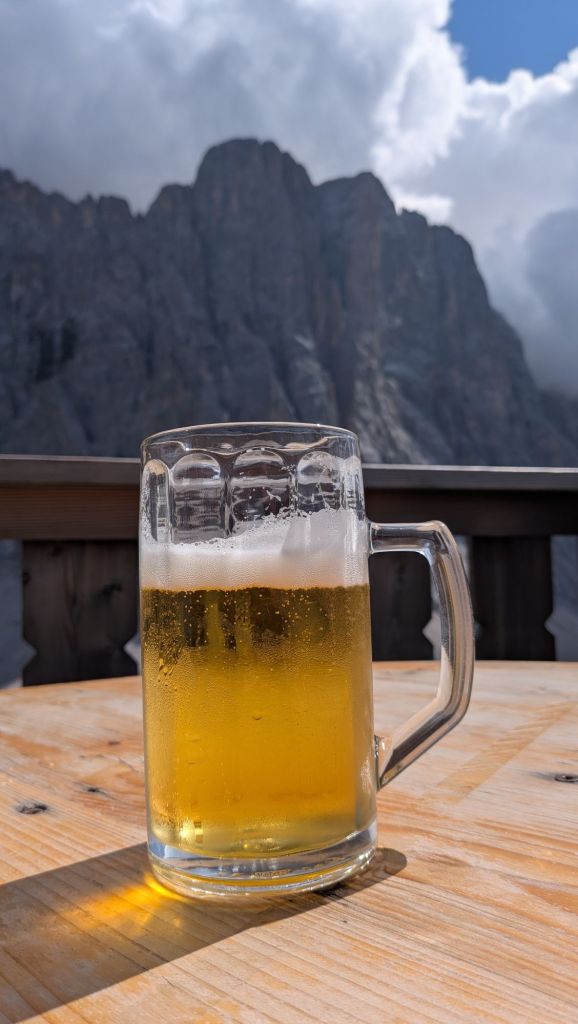
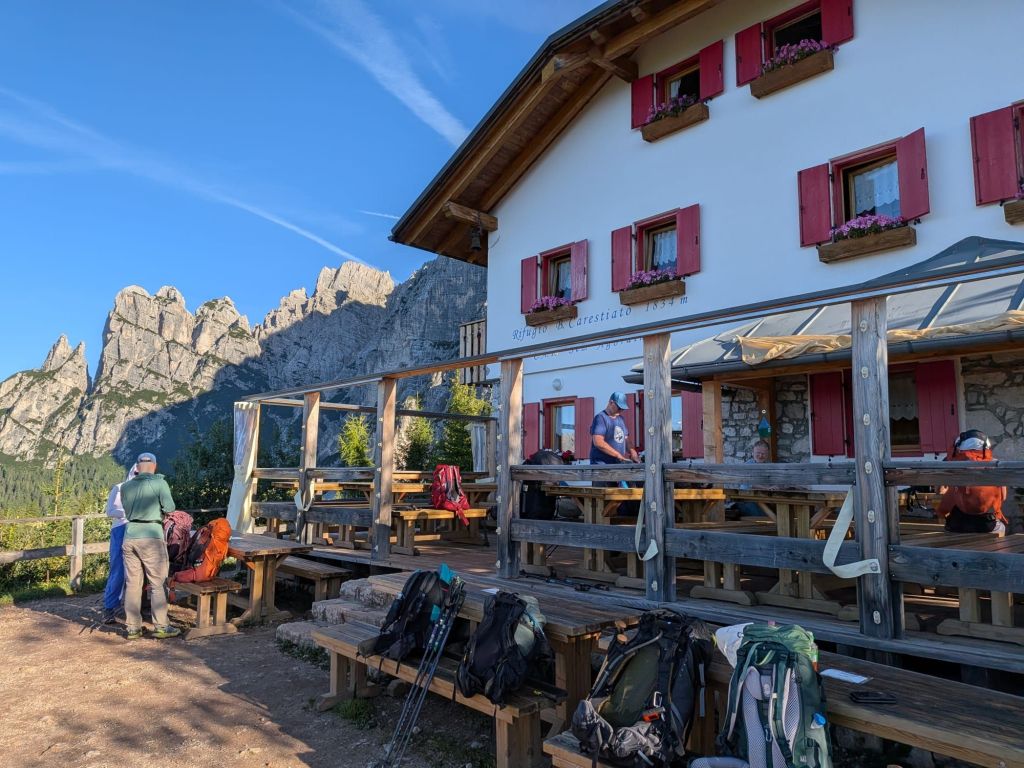
We arrived at Rifugio Carestiato earlier than normal, so we had a hearty lunch, a shower, a nap, an even heartier second lunch, a couple of beers, and dinner. It was at dinner where we met Michael, a 59 year old nurse who walked out of his house in southern Germany on July 18th and was continuing on foot to somewhere in central Italy. He’s still walking, he won’t be finished until September 7th.

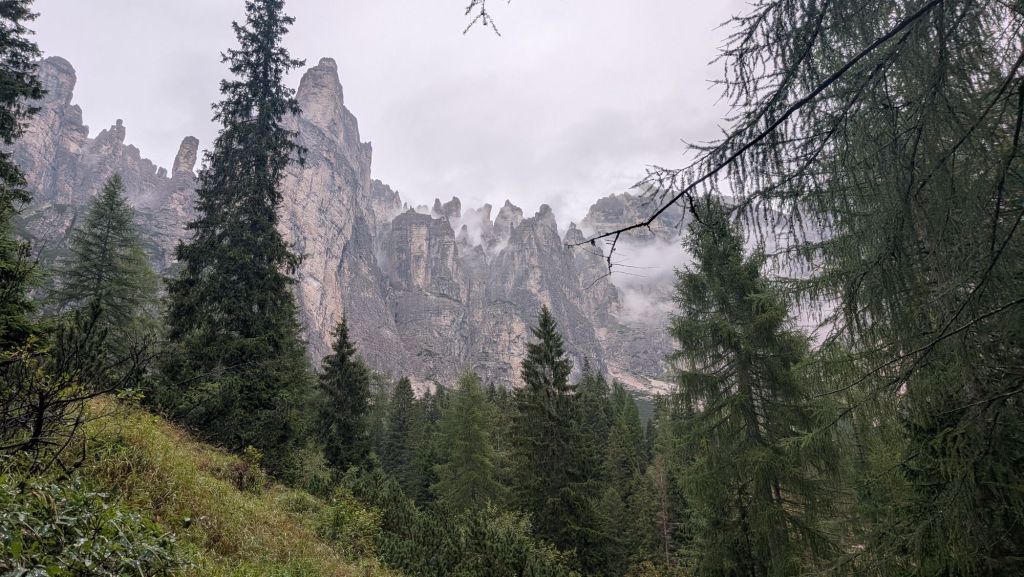
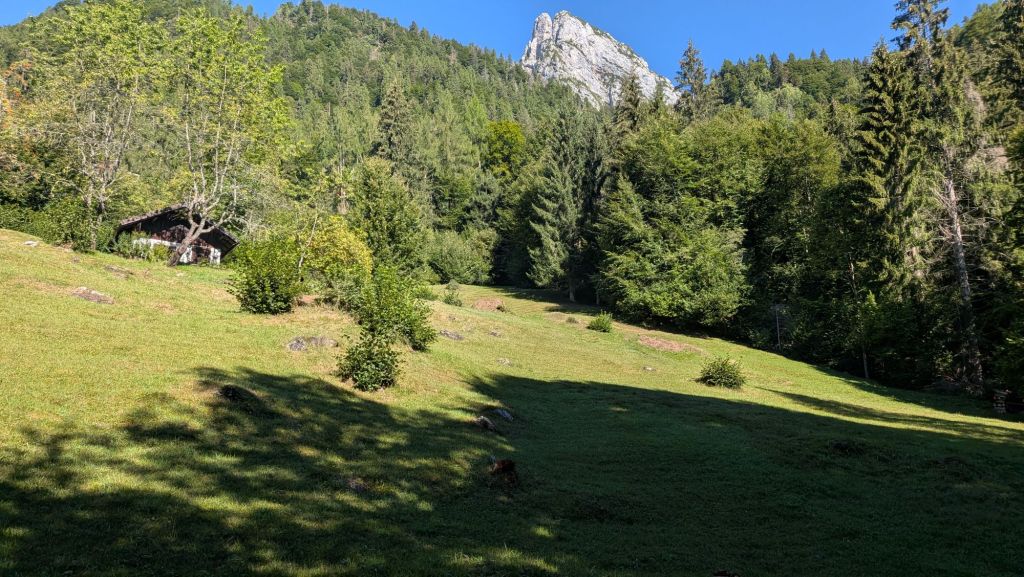
Day seven was beautiful, but all downhill, all 10km of it. The path took us from our alpine Refugio to pine needle forests and cute little cabins in green pastures. The rocks and roots were often slippery, requiring careful calculation with every step. It was both hard on the knees and the brain.

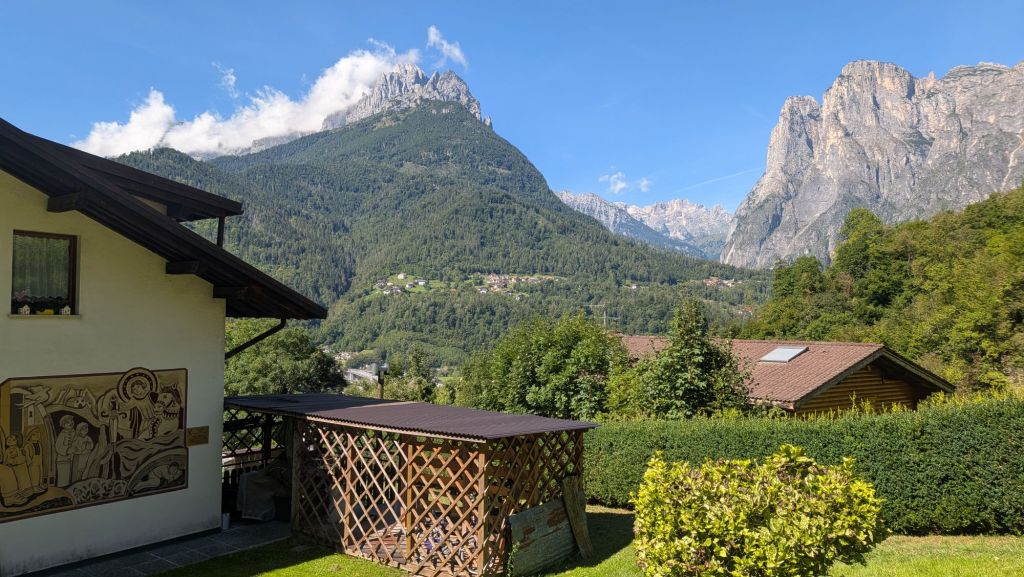
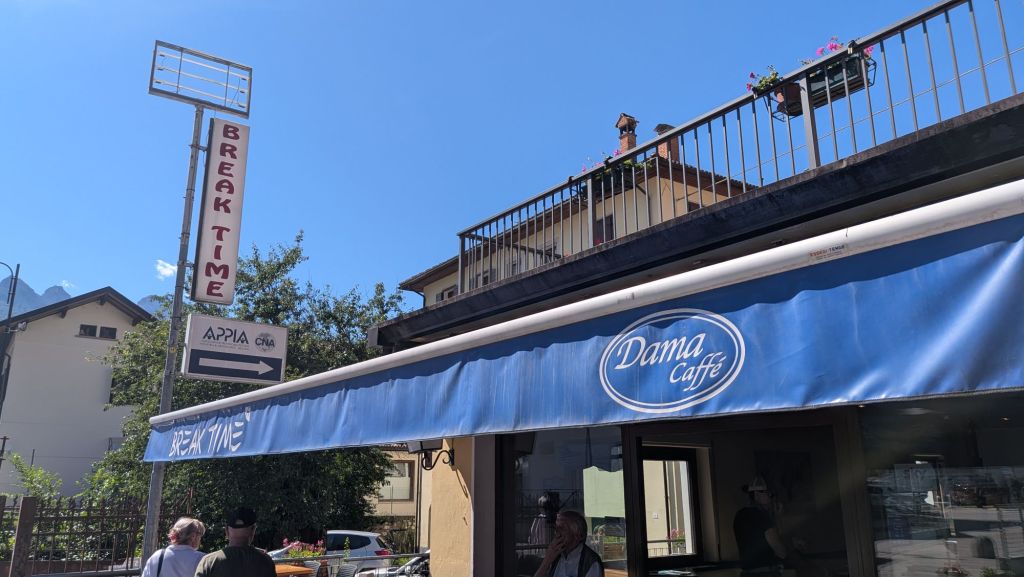
We descended into Agordo, knees ablaze, and stopped at the first place we came across

Aptly named Break Time.

The hike was challenging, moreso than we anticipated. We all wound up with a few bruises and scrapes, but our memories of the trail will stay with us long after they have faded. Would I do something like this again? Possibly, but not for a while, I was sick of climbing mountains halfway through day six. Our alpine adventure was complete.

The Dolomites. Day 3

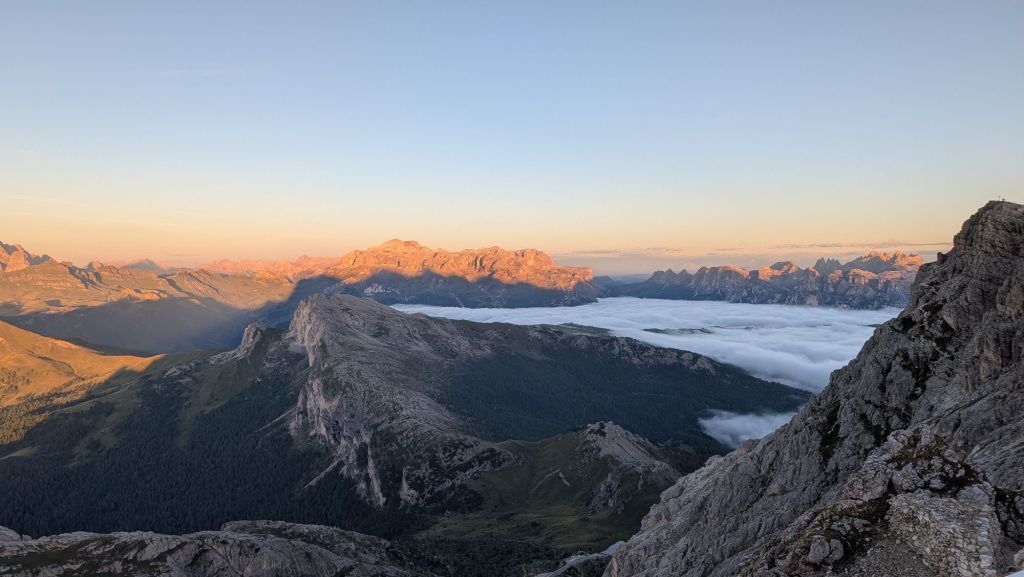
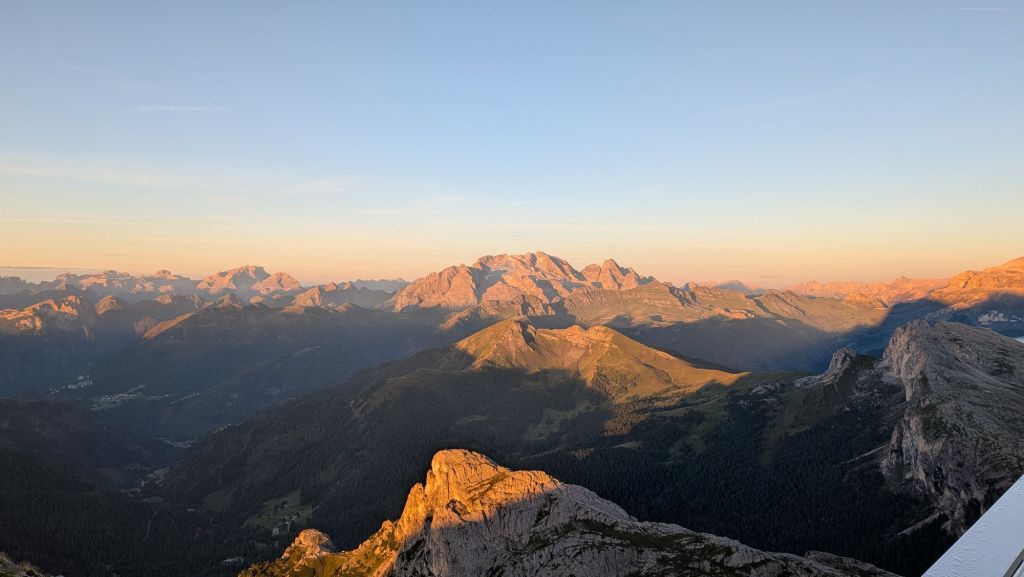
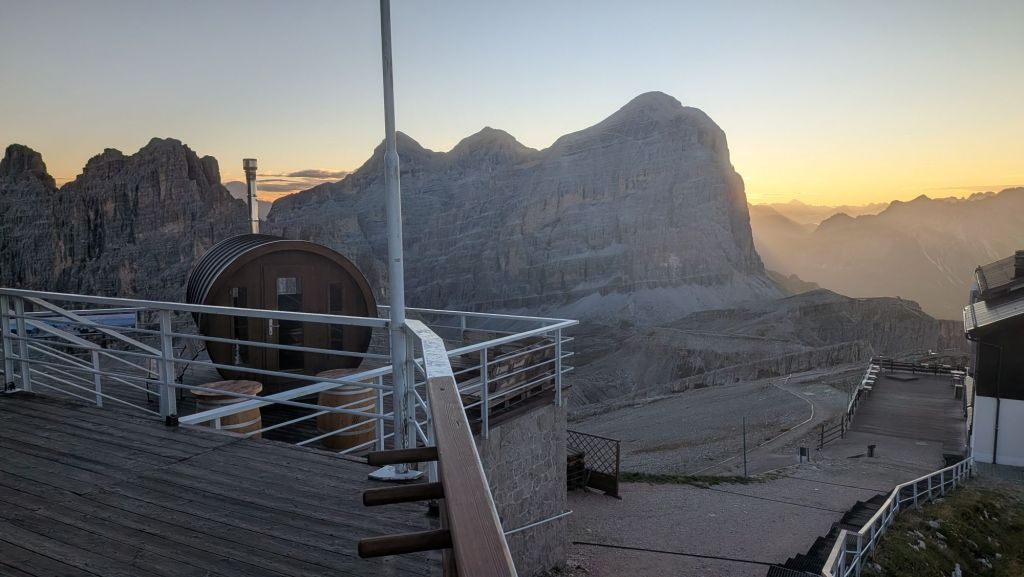
After the events of the day before, and for some reason, a crappy sleep, the morning decided to grace us with this 👇

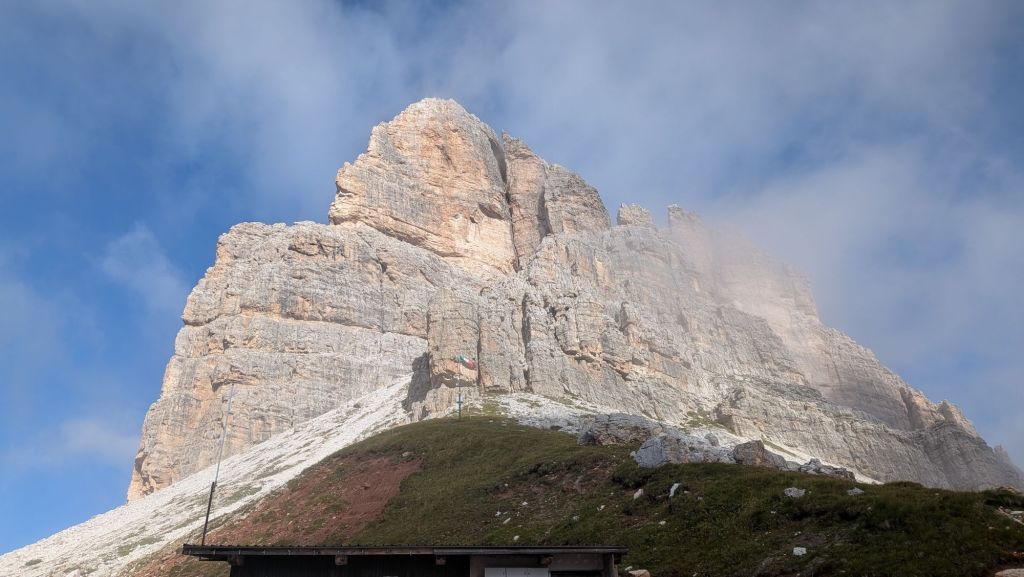
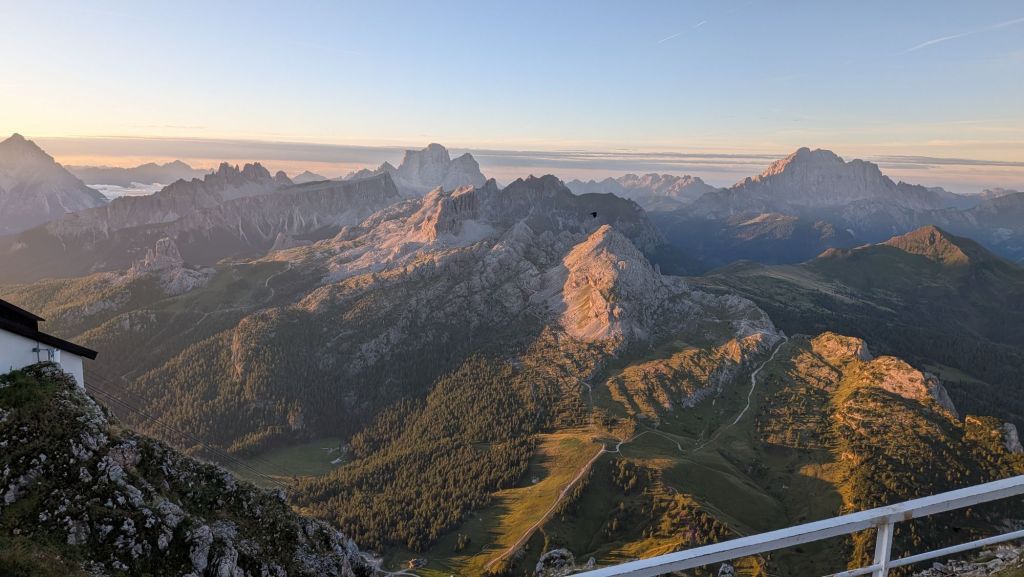
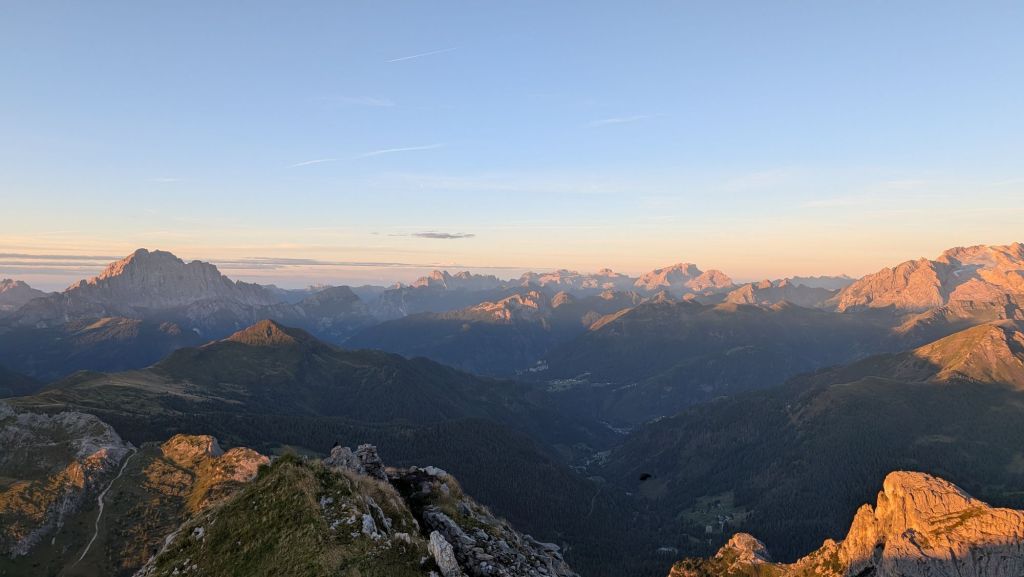
The panoramic views from Lagazuoi did not disappoint, a golden reminder of why we do this. Day 3 was going to be shorter, 8km mostly downhill with an incline to Rifugio Scoiattoli. We started out at roughly 9am.

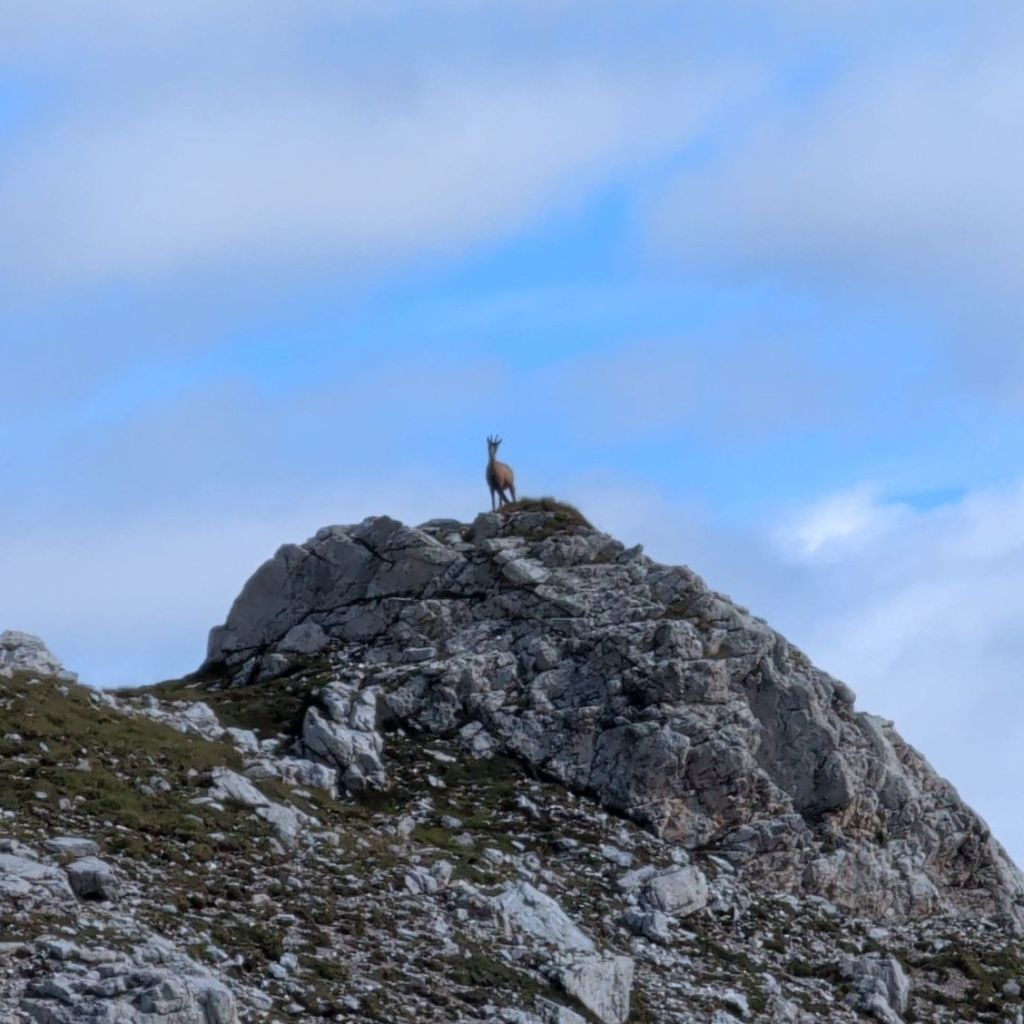
Along the way we saw this majestic ibex.

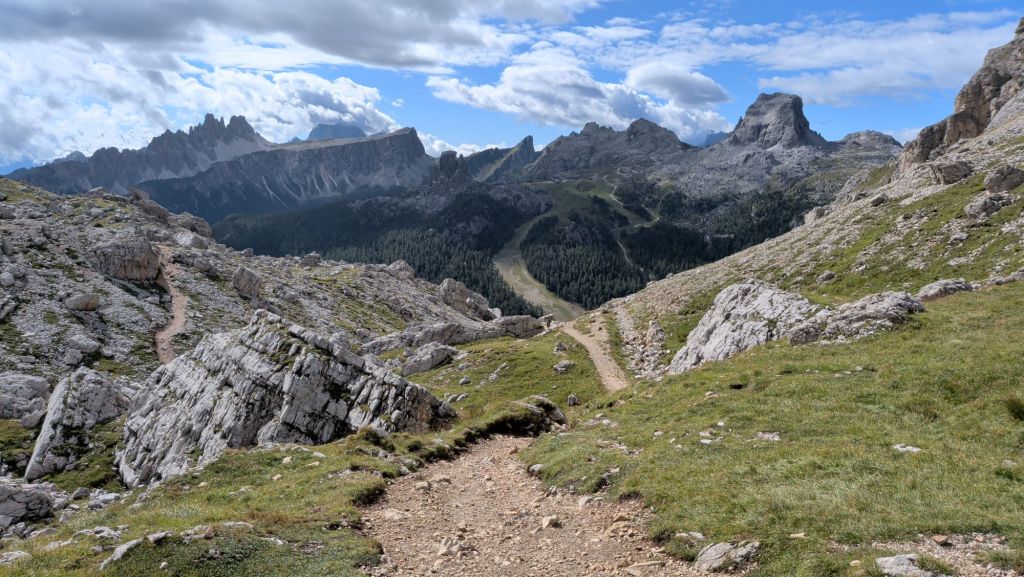
We made our way to the valley below and eventually came across a restaurant that sat at the base of a chairlift that led directly to our next Refugio. It wasn’t a difficult decision. It took roughly 10 minutes to reach the top. I guess you could call it a rest day.

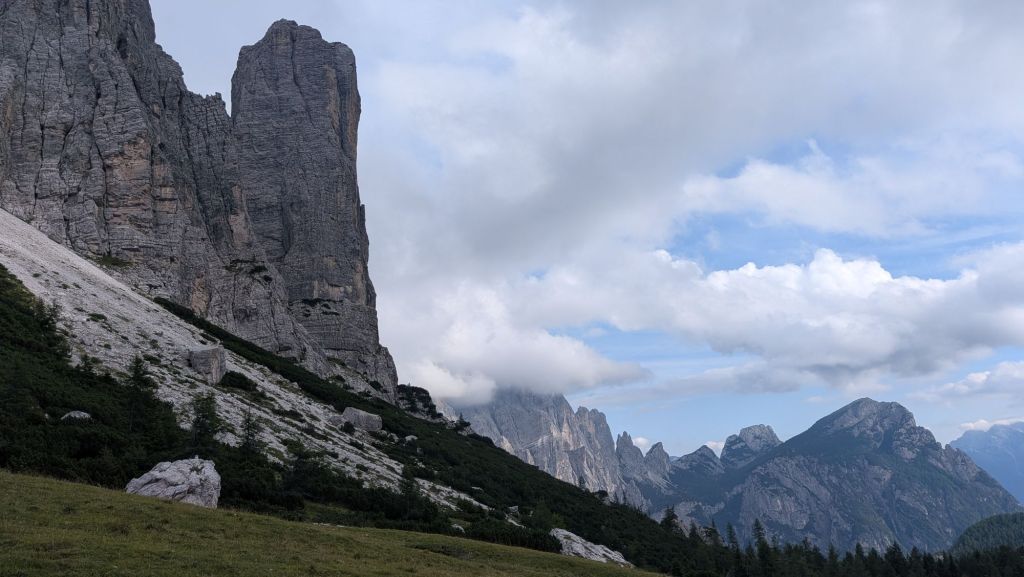
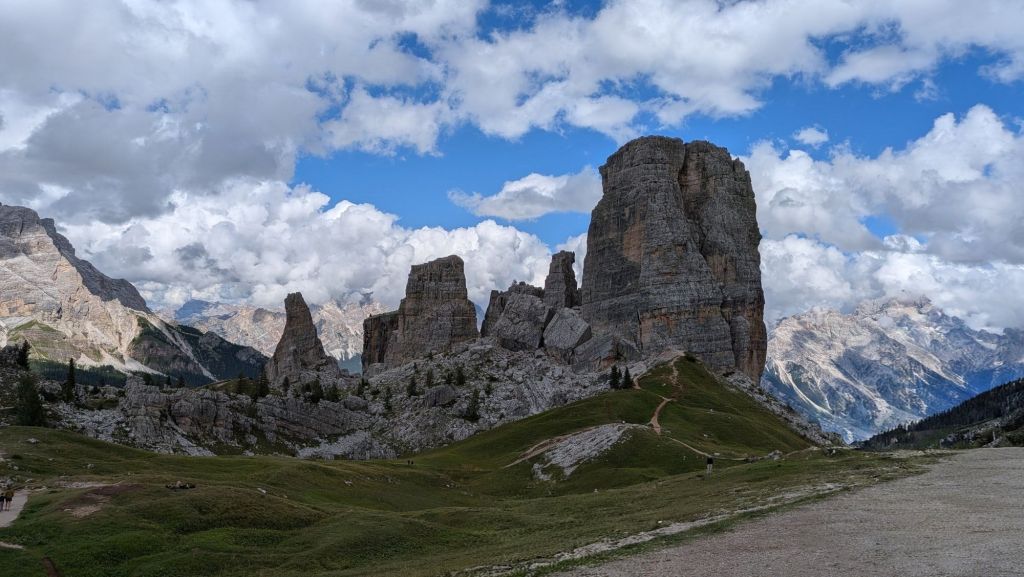
Cinque Torri. Five Towers.

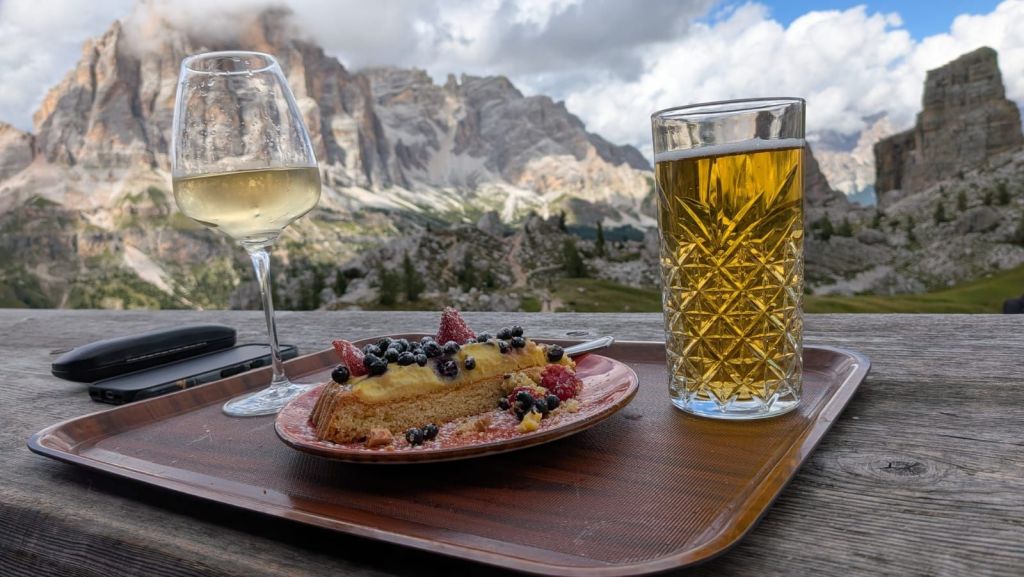
Our reward. Day 3 in the books.